Seit ein paar Tagen versuche ich immer mal wieder den Weg von Palenque nach Tikal im Navi zu finden. Aber das Tom Tom sagt jedes Mal, dass es das Ziel nicht finden kann. Ich versuche es mit verschiedenen anderen Orten in Guatemala, aber immer dieselbe Antwort.
Irgend etwas stimmt nicht. Per Mail versuche ich Rat bei Tom Tom zu bekommen. Ergebnis: Vorgefertigte Antworten, die mir nicht weiterhelfen. Also entschließe ich mich, die Software abzudaten. Bei den hiesigen Downloadzeiten ein endloses Unterfangen.
Ergebnis: Bei ca. 40 Prozent bricht die Installation der Software auf meinem Gerät regelmäßig ab. Ich überlege: Da der Speicherplatz auf dem Tom Tom knapp ist, lösche ich alle Karten. Vielleicht liegt es ja an der Enge auf der SD-Karte (oder gar an der Enge und der Hitze in unserer Esperanza). Wer weiß?
Das viele elektronische Hin und Her führt leider nur dazu, dass plötzlich auch noch mein Apple seinen Dienst aufgibt. Beim Neustart bleibt der Bildschirm grau und es erscheint ein Ordner mit großem Fragezeichen:
Eine schöne Bescherung.
Über Clemens Computer suche ich Rat im Internet, aber alle Versuche, meinen Apple wieder zum Laufen zu bringen, schlagen fehl. Wir stellen uns darauf ein, ab sofort ohne Navigationsgerät und ohne meinen Computer weiterzufahren.
Erst später wird mir bewusst, dass damit auch zahlreiche Videos der letzten Wochen, meine E-Mail-Adressen und viele mehr – zumindest vorläufig – im virtuellen Nirvana verschwunden sind: Was für eine Bescherung!
JW
Español
Que tal regalo!
Desde hace días tratamos de encontrar el camino de Palenque a Tikal en nuestro sistema de navegación. Pero el Tom Tom dice cada vez que no puede encontrar estos lugares. Trato con diferentes lugares en Guatemala, pero recibo siempre la misma respuesta.
Algo no está bien. Busco orientación por email con Tom Tom. Resultado: respuestas automáticas, que no ayudan. Entonces decido de actualizar el software. Con los tiempos de internet existentes … una acción sin final.
Resultado: cuando se acerca al 40 % se cae toda la instalación. Pienso: como la memoria en el Tom Tom está casí llena, decido borrar todas los mapas. A lo mejor radica el problema en la memoria limitada de la tarjeta (o a la estrechez y calor dentro de nuestra Esperanza). Quién sabe?
Este ir y venir electrónico hace que de pronto mi computadora Apple tampoco funciona. Cuando inicio una sesión aparece una pantalla gris con una carpeta con un signo de pregunta en el medio. Un gran regalo.
A través de la computadora de Clemen busco orientación en el internet. Todos mis intentos de restaurar mi Apple no funcionan. Decidimos como en viejos tiempos continuar el viaje sin sistema de navegación y sin computadora.
Recién más tarde caigo en cuenta con este impase se han perdido muchos vídeos de las últimas semanas, mis emails y muchas cosas más se encuentran en el Nirvana digital – al menos por el momento :
Qué tal regalo!
JW
English
What a mess
For a couple of days I have been trying again and again, to program the route from Palenque to Tikal on my GPS. But the Tom Tom always tells me, that it can’t find the destination. I try it with different destinations in Guatemala, but I always get the same answer.
Something must be wrong. By email I try to get help from the Tom Tom customer service, but I only receive pre-formulated answers, which don’t help. Therefore I decide to update the software. Given the download speeds in this area it is an endless undertaking.
Result: After installing about 40% of the data on my GPS, the installation is interrupted several times. I try to figure out possible reasons: Since there is little space left on the SD-card I delete all maps. Maybe the problems are due too the small space on the card (or in our Esperanza and the high temperatures.) Who knows?
Using Clemen’s computer I look for help on the internet, but whatever I try, my Aplle is not willing to start again. We try to accept the idea, that we will have to continue our trip without GPS and without my computer.
Only after a while I realize, that – at least for the moment – a lot of videos, which I made during the last weeks and all my contacts have disappeared in the virtual Nirvana:
Gemeinsam mit Tikal in Guatemala und Copan in Honduras gehört Palenque zu den drei großen Maya-Städten, die noch heute jeden Besucher in ihren Bann ziehen.
Palenque, in Mexiko gelegen, ist wahrscheinlich am bekanntesten. Die relative Nähe zur Halbinsel Yucatán und deren Touristenhochburgen macht diese Ruinenstadt zu einem beliebten Ziel zehntausender Besucher im Jahr.
Außerhalb der Ferienzeiten ist es aber selbst in Palenque relativ ruhig und auch wir werden von der Magie dieser Bauten gefangen genommen:
JW/Clea
Español
Junto con Tikal en Guatemala y Copan en Honduras Palenque es una de las tres grandes ciudades de los Mayas, que hasta hoy día fascinan a cualquier visitante.
Palenque, situado en México, es probablemente la más conocida de las tres. La cercanía relativa a los grandes centros de turismo en la península de Yucatán la hace la más popular también y está visitada por más de diez mil personas al año.
Pero aparte del tiempo de vacaciones es Palenque un sitio relativamente tranquilo La magia de las ruinas nos atrapa también.
JW/Clea
English
Together with Tikal in Guatemala and Copan in Honduras Palenque is one of the three big Mayan cities, which until today fascinate every visitor.
Palenque, which is located in Mexico, is probably the best known oft he three places. The relative closeness to the Yucatán peninsula and its big touristic centers makes it also the most travelled ruins in the area with tens of thousands of visitors every year.
But as long as it is not the holiday season even Palenque is relatively quiet and the magic of the ruins spellbinds us too.
Südlich von Palenque liegen Misol Ha und die Cascadas Agua Azul. Beide Naturschauspiele sind touristisch „voll erschlossen“. Soll heißen, nahezu jeder Tourist, der nach Palenque kommt, wird (je nach persönlichem Zeitplan) auch Misol Ha und/oder die Cascadas Agua Azul besuchen. Es ist heute kein zeitaufwändiges oder gefährliches Abenteuer mehr, zu diesen Wasserfällen im Süden von Palenque zu gelangen.
Immerhin muss man aber in das Gebiet der Zapatistas fahren. Gleich bei Einfahrt in das Gebiet begrüßt uns ein martialischen Plakat, in dem klar gesagt wird, wer hier das sagen hat, nämlich die Zapatisten:
Niemand kann der indigenen Bevölkerung hier in Chiapas die Revolution des Emilio Zapatista stehlen, – auch wenn sie jetzt schon über hundert Jahre zurückliegt. Und die Landstraße wird auch heute noch immer mal wieder gesperrt, wenn die rebellische Regionalbevölkerung gegen die Zentralregierung demonstriert. „Es lebe Chiapas!“.
Misol Ha, was in der Landessprache – nicht ganz überraschend – „Der Fall des Wassers“ bedeutet, liegt mitten im Urwald und stürzt etwa 50 Meter in die Tiefe. Hier geht es etwas ruhiger zu als später bei den Cascadas Agua Azul:
Naturschauspiele wie Misol Ha und die Cascadas Agua Azul werden heute von Kooperativen verwaltet, die für eine gewisse Infrastruktur sorgen (Restaurants, Toiletten, markierte Wege u.Ä.) und dafür von den Touristen Eintrittsgelder verlangen. Von ausländischen Touristen ein Vielfaches von dem, was Mexikaner bezahlen müssen.
Die Kooperativen sind besetzt mit Vertretern der lokalen Bevölkerung, die entdeckt hat, dass man mit den beeindruckenden Schönheiten dieser Region natürlich auch Geld verdienen kann. Manchmal bekommen sie auch finanzielle Unterstützung von der Regierung.
Clemen hat einen dieser Vertreter und seinen Sohn in Misol Ha kurz interviewt. Der Vater erklärt uns die Entstehung, Arbeitsteilung und Funktion der Kooperative. Ganz zufällig findet gerade heute auch eine Versammlung dieser Kooperative statt.
Sein Sohn erzählt, wie er mit den Wasserfällen groß geworden ist und dass er Tourismus studieren möchte. Schließlich lädt er die jungen Leute aus der ganzen Welt ein, die wunderschönen Wasserfälle von Misol Ha zu besuchen:
Weiter südlich (etwa 80 km von Palenque entfernt) liegen die Cascadas Agua Azul. Das sind schäumende Kaskaden, die sich über viele Kilometer in der Urwaldlandschaft erstrecken. Sie sind besonders beeindruckend wegen des blauen Wassers und den zahlreichen Pools, die sich unterhalb der einzelnen Wasserfälle bilden. In einigen wenigen darf man auch heute noch baden. Der blaue Ton des Wassers entsteht durch den hohen Mineraliengehalt des Wassers in dieser Zone.
Auch wenn der Touristenrummel, insbesondere bei den Cascadas Agua Azul, einiges von dem Reiz dieser wunderschönen Wasserfälle nimmt, lohnt e sich wirklich, dorthin zu fahren. Nicht umsonst wurden diese Kaskaden auch schon öfter als Hintergrundkulisse in Hollywoodfilmen verwendet (wie man uns sagte). Und Touristen sind wir schließlich selbst und nicht nur die anderen.
JW/Clea
Español
Al Sur de Palenque se encuentran Misol Ha y la Cascada Agua Azul.
Ambos escenarios naturales están acondicionados turísticamente. Esto quiere decir, todo turista que llega a Palenque tendrá que visitar estos sitios. No es más una aventura peligrosa llegar a estas caídas de agua en el sur de Palenque.
Sin embargo hay que considerar pasar por zona de los zapatistas. Justo a la entrada de Chiapas nos saluda un letrero belicoso el cual enfatiza en quién tiene aquí la palabra… esto es los Zapatistas:
A México y especialmente a su población indígena acá en Chiapas nadie le podrá quitar su revolución agraria ni su Emiliano Zapata , – aunque fue hace cien años ya sigue aún vigente. Y esta carretera sufre hoy en día de ¨bloqueos¨ cuando la población regional rebelde se subleva contra el gobierno centra. ¡Qué viva Chiapas! .
Misol Ha, que en el idioma nativo quiere decir ¨Caída de agua¨, es una cascada en la selva de unos 50 metros hasta el fondo. „Aquí el turismo no es tan avasallador como en Agua Azul.
Espacios naturales como Misol Ha y la Cascadas Agua Azul están hoy administradas por cooperativas, que se encargan de crear una cierta infraestructura (restaurants, baños, caminos señalizados, entre otros) y para esto cobran entrada de los turistas. Los turistas extranjeros pagan mucho más que los nacionales.
Las cooperativas están organizadas por representantes de la población local quienes han descubierto la belleza impresionante de la región y también como hacer dinero con ella. A veces reciben apoyo del gobierno para algunos temas puntuales.
Clemen hizo una entrevista a un representante de la cooperativa y a su hijo. El padre relata sobre el nacimiento de la cooperativa, la división del trabajo dentro de ella y la función social que tiene. Por casualidad hoy día hay una reunión de los socios de esta cooparativa en Misol Ha.
El muchacho, por su lado cuenta cómo desde pequeño ha vivido con la cascada. El quiere por tanto estudiar turismo. Finalmente invita a jóvenes de otros continentes y naciones a visitar esta belleza de Misol Ha.
Más hacia el Sur (algo como 80 km de Palenque) están las Cascadas Agua Azul. Son cascadas exuberantes que se extienden por kilómetros en el paisaje de la selva. Son especialmente impresionantes por el azul de sus aguas formando muchas piscinas naturales debajo de las cascadas. En algunas de ella se puede aún bañar. Las aguas tienen ese hermoso color azul por las sales de carbonatos que llevan disueltas.
A pesar de los turistas – que son muchos – vale la pena vivenciar el azul de estas aguas. No por nada han sido escenarios de alguna que otra película americana, como se nos informó. Y turistas en este caso somos nosotros finalmente y no solamente los otros.
JW/Clea
English
South of Palenque there are Misol Ha and the Cascadas Agua Azul. The two natural spectacles are very touristy, which means, almost every tourist, who visits Palenque, will probably also visit Misol Ha and/or the Cascadas Agua Azul, (if his/her personal time-schedule allows it). Today it is definitely not a time-consuming or dangerous adventure to get to these waterfalls in the jungle south of Palenque.
After all you have to enter Zapatista area. Right on entering this area you are welcomed by a martial poster clearly describing, who is ruling in this, namely the Zapatistas:
Even though Emilio Zapatista’s agrarian revolution is now over a hundred years old, it still plays an important role in Mexico and especially here in Chiapas. And until today the road is often closed, if the rebellious local population is demonstrating again against the central government of Mexico: “Long live Chiapas”.
Misol Ha, whose name – not really surprisingly – means “The Fall of the Water” in the native language, is a waterfall in the middle of a lush rain forest and approximately 160 f high. Here it is somewhat less touristy than at the Cascadas Agua Azul.
Natural spectacles like Misol Ha and the Cascadas Agua Azul are administrated by local cooperatives nowadays. They provide some infrastructure (restaurants, bathrooms, marked trails etc.) and charge an entrance fee for that. Foreign tourists have to pay much more than Mexicans.
The cooperatives consist of representatives of the local population, which have found out that it is possible, of course, to make money with the natural wonders of their region. They sometimes receive financial help from the government.
Clemen has made a short interview with one of those representatives and his son. The father explains how the cooperative was founded and how it works. By accident a meeting of the cooperative is scheduled in Misol Ha today.
His son tells us about his youth around the falls and that he wants to study tourism. He invites young people from all over the world to come and see this beautiful natural wonder.
Further south (about 50 miles from Palenque) there are the Cascadas Agua Azul, which stretch over many miles in the middle of the jungle. They are especially impressive because of their crystal clear blue water and the many pools, which have formed under the different falls. In some oft hem you are still allowed to swim. The impressively blue color is due to the high mineral content of the water.
In spite of the touristic exploitation of the region, especially around the Cascadas Agua Azul , much of the original enchantment of these wonderful waterfalls has been preserved, and it is absolutely worth going there. No wonder that the cascades have often been used as scenery for Hollywood movies (as we were told). And, after all, we are tourists ourselves, aren’t we?
„Wo das Wasser kocht“, gibt es wunderschöne Sinterterrassen in einer majestätischen Landschaft. Ich vermute, dass der Ortsname „Hierve El Agua“ etwas mit der Form dieser Terrassen zu tun hat, die man als überkochende Wasserstellen betrachten kann.
Ob das so ist, weiß ich nicht, aber eigentlich ist das auch egal. ES ist auf alle Fälle ein Ort, der zum beschaulichen Betrachten anregt:
Auf dem Rückweg zur Hauptstraße machen wir dann noch Halt in einer „Fabrik“, in der „Mezcal“ hergestellt wird. Mit einer Flasche 52prozentigem Agavenschnaps fahren wir frohgemut weiter Richtung Süden:
JW/Clea
Español
Donde hierve el agua hay unas terrazas naturales de maravilla. Se encuentran en un paisaje majestuoso. Presumo que el nombre del sitio tiene que ver con la forma de estas terrazas de minerales, que tienen el aspecto de agua hirviendo con espuma saliendo de la fuente.
No sé, si es la verdad, pero no importa. De todas maneras es un sitio, que invita a quedarse contemplando la naturaleza.
En el camino hacia la carretera principal paramos en una fábrica de mezcal. Después de una hora más o menos salimos de buen humor y con una botella de Mezcal de 52 % hacia el Sur.
JW/Clea
English
„Where the water is boiling“, there are some wonderful natural terraces in a majestic landscape. I assume that the name of this place has got to do with the special form of these terraces, which resemble boiling water which spills out of a huge pot.
I don´t know, whether this is true or not, but it does not matter. Anyway it is a place, which invites to stay for a while and contemplate nature.
On the way back to the main road we take a stop at a so called Mezcla Factory. After some time we leave it with a bottle of Mezcal with 52% happily heading south to new destinations.
Nach siebenundzwanzig Jahren treffen sich Miriam und Clemencia auf dem Parkplatz der Corona-Brauerei in der Nähe von Oaxaca. – Was für eine Freude. Und weil alle so glücklich sind, mischt sich gleich ein völlig unbekannter, fröhlicher Mexikaner ein und will mit uns die Begegnung feiern:
Weil bei dem Haus von Miriam kein Platz für unsere „Esperanza“ ist, parken wir auf dem weitläufigen Gelände der Pension Villa Loohvana in San Agustin Etla, einem Vorort von Oaxaca. Michelle, die Besitzerin ist eine gute Freundin von Miriam und – Dank ihrer Großzügigkeit können wir ein paar wunderschöne Tage in Oaxaca verbringen; und zur Begrüßung gibt es gleich einmal ein „Pfeifchen“:
Am nächsten Morgen besuchen wir Miriam zum gemeinsamen Frühstück. Bei der Gelegenheit lernen wir ihre 5 Hunde und die 16 Katzen kennen, mit denen sie sich ihr Häuschen teilt:
Warum sie so viele Tiere hat, fragen wir Miriam und sie erklärt uns ihre Lebensvision zu diesem Thema:
„Bei den Tieren geht es nicht nur darum, sie vor Gewalt zu beschützen, sondern vor allem darum, die Gewalt an sich auszurotten und zwar dort, wo sie beginnt. Mir geht es darum, Empathie und Mitgefühl für die anderen (nicht nur für Tiere) zu wecken, denn es ist wissenschaftlich erwiesen, dass ein Mensch, der fähig ist, Tieren Schaden zuzufügen, das auch mit Seinesgleichen tut und generell dazu bereit ist, den Schwächeren Leid zuzufügen. Mit anderen Worten, Gewalt gegen Tiere spiegelt eine soziale Gewalt wider, die uns alle als Individuen und die gesamten Gesellschaft überrollt.“
Keine Frage, auch hier im Bundesstaat Oaxaca, wo viele indigene Völker auf engem Raum zusammenleben, ist Gewalt ein alltägliches Thema wie auch sonst überall in Mexiko. Auf dem Weg zu Miriam begegnen wir einer jungen Frau, die einen kleine Lebensmittel aufgemacht hat, in dem sie auch frisch gepresste Säfte anbietet. Wir kommen ins Gespräch und die junge Frau erzählt uns bereitwillig, wie ihr Vater, der sich gegen die geplante Abholzung der Wälder wehrte, vor ca. 6 Jahren bei einer Konfrontation von politischen Gegnern umgebracht wurde.
Miriam ist eine Künstlerin, deren Skulpturen in verschiedenen Galerien in Oaxaca ausgestellt werden.
Auf einem Spaziergang durch Qaxaca zeigt sie uns nicht nur die beeindruckend schöne Stadt, sondern auch ein paar Ihrer Skulpturen. Sie sind alle aus wiederaufbereitetem Abfall hergestellt. Wir finden sie wunderschön:
In einem Interview mit dem kolumbianischen Fernsehen erklärt Miriam ihre Kunst:
Wir verbringen einige sehr schöne und intensive Tage in Oaxaca, einer schönen und stolzen Stadt, in der selbst die Schuhputzer eine politisch-soziale Botschaft auf ihren Sonnenschirmen verkünden:
Miriam, su arte, sus animales, su filosofía de vida
Después de veintisiete años Miriam y Clemen se encuentran de nuevo. El punto de encuentro fue en el estacionamiento de la cervecería Corona cerca de Oaxaca. – Que alegría!!!! Y como la alegría se contagia fácilmente un mejicano entró al festejo espontáneamente.
Como no hubo un sitio alrededor de la casa de Miriam para estacionar a Esperanza, nos instalamos en un terreno grande de la pensión Villa Loohvana en San Agustín Etla en las afueras de Oaxaca. Michelle, la dueña, es una buena amiga de Miriam y pasamos – gracias a su generosidad – unos días hermosos compartiendo con Miriam en Oaxaca; y para empezar hubo un saludito en pipa.
A l a mañana siguiente nos encontramos con Miriam en su casa para desayunar juntos. Ahí conocimos a los 5 perros y los 16 gatos de Miriam, con quienes ella comparte su arte y cotidianidad:
¿Por qué tantos animales? Miriam nos responde y explica su visión de vida en torno a este tema?
“Con los animales no solo se trata de salvar animales por que si, se trata de erradicar la violencia desde las bases y generar empatía y compasión por los mas débiles ya que esta comprobado científicamente que una persona que es capaz de dañar a un animal hará lo mismo con un semejante ya que siempre se inicia violentando a los más vulnerables – en este caso los animales – …ya que el maltrato animal es reflejo de la violencia social y forma parte de la cascada de la violencia que nos va alcanzando a todos como individuos y como sociedad.“
Sin duda, también hay violencia aquí en Oaxaca, donde conviven en un espacio estrecho diferentes comunidades indígenas. Camino a lo de Mirian nos encontramos con una mujer joven que ha abierto una tienda y ofrece jugos naturales. Nos acercamos gustosos. Entramos en conversación y nos contó como habían asesinado a su padre porque se opuso a la tala de árboles. Aproximadamente hace 10 años. Ella conoce a los asesinos de su padre, pasan delante de su casa, pero ha optado por el perdón.
Miriam es una artista y sus obras están en venta en diferentes galerías en Oaxaca.
Durante un paseo por Oaxaca Miriam nos muestra la ciudad y unas de sus obras. Nos gustan mucho:
Todas sus obras están hechas de materiales reciclados. Ella, con sus manos, hace de la basura, los deshechos diarios, su arte. Nos gustan mucho. En una entrevista con la tele Colombiana Miriam explica su arte:
Pasamos unos días muy agradables e intensos en una ciudad linda y orgullosa, una ciudad en la que inclusive los limpiadores de zapatos llevan un mensaje socio-politico en las sombrillas de sus puestos:
optimismo – perseverancia – entusiasmo …
JW/Clea
English
Miriam, her art, her animals, her philosophy of life
After twenty-seven years Miriam and Clemen meet again in the parking lot of the Corona brewery near Oaxaca. – What a joy. And because we are all very happy a nice Mexican guy, who nobody knows, joins us and wants to share the moment with us:
Because there is no space around Miriam’s house, we park on the premises of a pension in San Agustín Etla. It belongs to Michelle, who is a good friend of Miriam. She invites us to stay in the wonderful place as long as we want and for free. And as an unexpected welcome she offers a well filled pipe:
The following morning we meet with Miriam for breakfast. In her house we get to know her 5 dogs and 16 cats, who share the place with her.
We ask Miriam, why she has so many animals around her und she explains her reasons and her vision of life to us:
„It is not only about saving animals from violence, but it is really about eradicating violence in general from bottom and about generating empathy and misery for those who are weak. It is scientifically proven that people who are able to hurt animals will do the same to other people, because they are accustomed to afflict violence to those who are more more vulnerable than they themselves, – in this case to animals. Violence against animals only reflects violence in the society and forms a part of the flood of violence we are all exposed to individually and as a society.“
(noch übersetzen:) No question, violence is a very important subject also here in Oaxaca, where there live a lot of idigenous tribes, like everywhere else in Mexico.On the way to Miriam we meet a young woman, who has opened a small grocery store, where you can also get freshly squeezed fruit juices. We get into a conversation and quickly she tells us about her father, who was killed in a confrontatio by his opponents about six years ago, because he was against the wood cutting in this area.
Miriam is an artist, whose works are displayed and sold in different galleries in Oaxaca.
On a tour through the wonderful city of Oaxaca Miriam does not only show us the impressive sights of the city, but also some of her sculptures. They are all made of recycled materials. We find them great.
In an interview with a Colombian TV station Miriam explains her art in detail:
We spend some wonderful and very intense days in the beautiful and proud city of Oaxaca, where vene the shoe-polishers have a socio-political message:
Wer nach Oaxaca kommt, besucht auch Monte Alban im Südosten der Stadt, etwa 60 Kilometer entfernt. Die Ruinenstadt der Zapoteken ist ein Highlight jedes Mexikobesuchs:
JW/Clea
Español
Quien viene a Oaxaca visitará por fuerza también Monte Alban en el sur-este de la ciudad, aproximadamente a 60 km de distancia. La ciudad de ruinas de los Zapatecas es uno de los más importantes atracciones turísticas del país:
JW/Clea
English
Whoever comes to Oaxaca, will also visit Monte Alban aproximately 60 km in the south-east of the city. The old city, which was once built by the Zapotecas, are one of the most important highlights of every visit to Mexico:
Heute morgen fahren wir gut gelaunt von Tuxtla Gutierrez nach San Cristóbal de las Casas. Unterwegs machen wir noch eine Bootsfahrt in den Cañon de Sumidor. Wer weiß, vielleicht kann das Video etwas von dem Eindruck dieser beeindruckenden Schlucht vermitteln:
Nach einem Besuch im Markt von Chiapa de Corzo, geht es weiter zum eigentlichen Ziel: San Cristobal de las Casas. Eine schöne Strecke, nicht besonders weit, aber steil und sehr kurvig.
Kein Problem für Esperanza, denken wir. Aber wir haben uns geirrt. Vielleicht liegt es an der extremen Außentemperatur (44 Grad im Schatten) und/oder dem steilen Anstieg, jedenfalls macht Esperanza plötzlich schlapp.
Wie ein Asthmatiker fängt Esperanza an nach Luft zu schnappen, hat kaum noch Durchzugskraft und kann nur mit viel Gas geben und wieder Wegnehmen dazu gebracht werden, die „restlichen“ knapp 30 km bergauf zu keuchen und dann 10 km bergab nach San Cristóbal de las Casas mehr oder weniger stotternd hinabzurollen.
Mir schießen natürlich sofort all die Dinge durch den Kopf, von denen ich bisher nur aus den diversen Traveller-Foren wusste: Verstopfte Dieselpartikelfilter, Wasser im Diesel, Notlauffunktionüber 2500 m usw. usf. Also, die 40 km bis San Cristóbal de las Casas sind nervenaufreibend.
In San Cristóbal de las Casas treffen wir Beat und Betty, zwei Schweizer, denen wir schon in Teotihuacán begegnet sind, wieder. Und ich fühle mich etwas erleichtert, als mir Beat erzählt, sie hätten mit ihrem Toyota Landcruiser auf der Bergstrecke ähnliche Probleme gehabt (Überhitzung, Leistungsverlust etc.). Meine Hoffnung wächst, dass doch alles nur auf die extreme Klima- und Höhenlage zurückzuführen ist.
Am nächsten Morgen sind wir um 8 Uhr bei Fiat in San Cristóbal de las Casas. Aber es stellt sich schnell heraus, dass die uns nicht helfen können. Die dürfen neue Fiats zwar verkaufen, aber nicht reparieren. , insbesondere unseren nicht, weil der noch Garantie hat. Also müssen wir zurück nach Tuxtla-Gutierrez. Dort gibt es eine große Fiat-Niederlassung. Der freundliche Mechaniker in San Cristóbal versichert uns, dass wir es schaffen werden. Das sei kein Problem, da es in dieser Richtung fast nur bergab gehe. Außerdem gebe es auf dieser Strecke ja einen Abschleppdienst. Vorsichtshalber gibt er uns auch gleich die entsprechende Nummer mit.
Und ja: Wir schaffen es (ohne Abschleppdienst), finden die Fiat-Werkstatt auch gleich und werden sofort bedient: kein Warten, keine Zweifel an unseren Erklärungen, keine Ausflüchte hinsichtlich Garantie etc., im Gegenteil:
Innerhalb von ca. 2 1/2 Stunden hat man nicht nur den Fehler (eine defekte Einspritzdüse) gefunden, sondern auch behoben, den Computer entsprechend zurückgesetzt, zusätzlich den seit geraumer Zeit nicht mehr arbeitenden Kompressor der Luftfederung (nicht von Fiat!) wieder flott gemacht, ein Brett in unserem Kleiderschrank fixiert (hat auch nichts mit Fiat zu tun), die Handbremse nachgezogen und sich erkundigt, was noch alles zu machen sei. Wir überlegen, finden aber nichts und werden letztlich, ohne dass auch nur ein Cent berechnet wird, entlassen. – Alles fällt unter die Garantie.
Und deswegen möchte ich – ausnahmsweise – auch für Fiat in Tuxtla Gutierrez und Francisco José Manzano Gómez ausdrücklich „Werbung“ machen. Er und alle seine Kollegen und Mechaniker waren äußerst hilfsbereit, freundlich und kompetent. Ich kann allen Travellern, die in dieser Gegend in Mexiko mit einem Fiat Probleme haben sollten, diese Werkstatt und ihren „Asesor de Servicio“ nur empfehlen.
Español
Esperanza se encabrita …
Esta mañana nos dirigimos a Tuxtla Gutierrez en San Cristóbal de las Casas. Hicimos un paseo en bote en el Cañon de Sumidor. Es muy impresionante. Quien sabe el vídeo transmite algo de lo que es un Sumidor:
Después de una visita al Mercado de Chiapa de Corzo continuamos hacia nuestro destino del día de hoy: San Cristóbal de Las Casas. Una ruta muy bonita, no muy larga, pero bastante empinada y con muchas curvas.
Pensábamos y comentábamos justamente lo bien que Esperanza se portaba. Pero parece que nos adelantamos. Esperanza colapsa. Quizás tiene que ver con las temperaturas extremas (44 grados en la sombra) y/o la subida muy empinada.
Como un asmático Esperanza empieza a toser, no tiene más fuerza para acelerar y podemos adelantar solamente acelerando con mucho esfuerzo. Así se movió Esperanza los restantes 30 Km hacia arriba y los 10 últimos casi rodando abajo hacia San Cristóbal de las Casas.
Claro que todas las cosas se me cruzan por la cabeza en ese momento, que he leído en diferentes fórums en internet: Filtro de partículas de Diesel tapado, agua en el Diesel, estatus de emergencia del motor por altura o lo que sea, etc. Los 40 km, que nos faltaron hasta San Cristóbal de las Casas estuvimos en ascuas.
En San Cristóbal de las Casas encontramos a Beat y Betty, dos viajeros, a quienes ya conocimos desde hace Teotihuancán. Y me siento aliviado al escuchar a Beat: ellos también tuvieron problemas con su Toyota (4×4) en la subida (la temperatura del motor subía, pérdida de poder etc.). Mi esperanza crece, que todo solamente tiene que ver con las extremas condiciones del clima y de la altura. Nuestra Esperanza.
A las 8 de la mañana siguiente estamos puntuales en la Fiat en San Cristóbal de las Casas. Pero muy pronto está claro, ellos no nos pueden ayudar. Ellos solamente tienen licencia para vender Fiats, pero no para repararlos, menos si el auto está todavía bajo garantía como es nuestro caso. Por eso tenemos que regresar a Tuxtla Gutierrez. Allí hay un taller grande de Fiat. El simpático mecánico en San Cristóbal afirma, que llegaremos sin problemas. La carretera va casi todo el camino hacia abajo. Aparte de eso hay servicio de grúa en esta ruta. Por si a caso nos da el número de teléfono correspondiente. Vamos a ver.
Y sí, lo logramos (sin grúa), encontramos el taller de Fiat y fuimos atendidos inmediatamente: nada de esperar, nada de dudas en nuestras explicaciones, nada de escapatorias en cuanto a nuestra garantía etc. Al contrario:
Después de 2 horas y media más o menos han arreglado el asunto del motor (una falla electrónica), además la suspensión del aire de atrás (que no es un tema de Fiat), arreglaron el freno de mano y montaron una tabla en el armario (que definitivamente no de su responsabilidad) Además nos ofrecieron ayuda para cualquier otro problemita si hubiere. Después de todo eso, para nuestra sorpresa total, no nos cobraron nada, ni un centavo, todo estuvo bajo garantía.
Por eso mencionamos y recomendamos aquí con gusto la Fiat en Tuxtla Gutierrez y su gerente de servicio Francisco José Manzano Gómez. El y todos sus colegas y mecánicos fueron muy amables y competentes. Para los que están rodando creemos que es una información importante.
English
Today we travel from Tuxtla Gutierrez to San Cristóbal de las Casas. We are happy and looking forward to the trip. On the way we make a stop and take a boat-trip to the Cañon de Sumidor. Hopefully the video can transmit something of the wonderful impression of this abyss:
After a visit to the market in Chiapa de Corzo we continue our trip to the actual destination of the day: San Cristóbal de las Casas. It is a very picturesque route and not very long, but somewhat steep and very curvy.
Not a problem for Esperanza do we think. But we are wrong. Maybe it is due to the extreme outside temperature (almost 112 F) and/or the steep ascent, whatever reasons it is, all of a sudden Esperanza almost collapses.
Like an asthmatic person she starts snapping for air, has almost no power any more and I can only entice her to continue with either much diesel or the opposite. I continuously try to figure out, what she prefers. Somehow we manage to climb up the remaining 30 kilometers up hill and roll down the last 10 km with a stuttering engine.
Naturally all the things cross my mind, which I have read about in different traveler forums: a clogged DPF, water in the diesel, emergency engine status above 2500m etc. Well, the last 40 km to San Ciristóbal de las Casas are nerve wrecking.
In San Cristóbal de las Casas we meet Beat and Betty again. They are Swiss and we met them in Teotihuacán a while ago for the first time. I feel somewhat alleviated after hearing from them, that they had similar problems on the ascent to San Cristóbal de las casas (overheating, power loss etc). My hope is growing that everything has only got to do with the extreme heat and altitude.
At 8 o´clock the next morning we are waiting outside FIAT in San Cristóbal de las Casas. But very soon we are told, that they cannot help us here. They sell FIAT cars, but they are not allowed to repair them, especially not ours, because it is still under warranty. Therefore we have to return to Tuxtla-Gutierrez. But the friendly mechanic assures us, that it won’t be a problem. From here to Tuxtla Gutierrez the road goes almost exclusively downhill. In addition there would be a car-towing service on this route. Just in case he provides us with the corresponding telephone number.
And yes, we make it (and no need to call the car towing service). In Tuxtla Gutierrez we immediately find FIAT and they attend us without any further delay, without questioning, what we are complaining about, without any doubts about the existing warranty and things like that. On the contrary:
Within approximately 2 and half hours they have not only found and fixed the problem (a mal functioning injection nozzle) and reset the computer program, but in addition they have repaired the air suspension on the rear axle (not a FIAT product), readjusted the hand brake and fixed one of the boards in our cupboard (definitely nothing, which FIAT would be responsible for) and even asked us, what else could be done for us. We think about it, but don’t know of anything else and are finally released without having to pay anything, not even a cent or so, – everything is covered by the warranty.
And therefore I want to actually make propaganda for FIAT in Tuxtla Gutierrez and Francisco José Manzano Gómez, one of their service managers in charge. He and all his colleagues were all very friendly, extremely helpful and competent. If you should ever need help with your FIAT in this area of the world, go and see FIAT in Tuxtla Gutierrez.
Es ist nahezu unmöglich, in unserer medial geprägten Zeit, noch etwas über diese faszinierende Stadt zu sagen oder zu schreiben, was wir nicht alle schon irgendwo gehört, gelesen oder selbst erlebt haben.
Also beschränken wir uns diesmal auf ein paar kurze Videos von ganz persönlichen Eindrücken:
Am Busbahnhof
Saftstand am Straßenrand
Straßentänzer
U-Bahn Artist
Ein feuchtes Vergnügen
Beim Heiler
Ein peruanisches Ständchen
JW/Clea
Español
Es casi imposible escribir algo nuevo sobre Mexico City en este mundo marcado por la comunicación digital, que no hemos escuchado, leído o experimentado anteriormente.
Por eso nos limitaremos esta vez a un par de vídeos sobre impresiones , imágenes y artistas que nos movieron especialmente:
En la estación de autobuses:
Juguería al lado del la calle
Bailarines en la calle
Artista en el metro
Un placer mojado
Con el curandero
Una serenata peruana
JW/CLEA
English
It is almost impossible in our media dominated times to say or write something about this fascinating city, which has not already been said or shown anywhere else.
Therefore we only present a couple of videos with some personal impressions on our blog:
Wer an Mexiko denkt, denkt heute unvermeidlich auch an Gewalt. Das Bild, das die internationalen Medien vermitteln, ist erschreckend. Und auch im Lande selbst wird die Presse beherrscht von Berichten über blutige Gewalttaten. Massenmorde, Racheakte, Überfälle und Tötungen aus nichtigem Anlass. Wer „Gewalt in Mexiko“ googelt und auf Bilder oder Videos klickt, wird nicht enttäuscht.
Mina, die Eigentümerin unseres Campgrounds in Teotihuacán erzählt von ihren beiden Söhnen: Einer wurde in Mexiko City umgebracht, weil er sich weigerte, sein Handy herzugeben; der andere wurde vor 5 Jahren im Bundesstaat Tamaulipas entführt und ist seitdem nicht mehr aufgetaucht. Mina ist überzeugt davon, dass er noch lebt.
Vor kurzem sind wir durch Ahualulco de Mercado gefahren, einen beliebigen Ort an der Landstraße Richtung Guadalajara, um ein paar Kilometer weiter ein paar abgelegene Tempelruinen, die sogenannten Quachimontones, zu besichtigen. Noch während wir die beeindruckenden Bauten erkunden, erfahren wir, dass in dem Ort, den wir eben durchquert haben, gerade ein Attentat auf den Bürgermeister verübt wurde:
Kurz bevor wir diese beängstigende Nachricht erhalten, habe ich mir in der friedvollen Umgebung der Quachimontones noch Gedanken zum Thema Gewalt in Mexiko gemacht und das zufällig auch im Video festgehalten:
Ein paar Tage später lesen wir, dass der Bürgermeister zum Glück überlebt hat, weil er in einem gepanzerten Wagen unterwegs war. Es war bereits das zweite Attentat auf den 26 Jahre jungen Bürgermeister.
Drei Polizisten in Tlaquepaque (einem Ortsteil von Guadalajara), wo wir unbedingt die berühmten Mariachikapellen hören wollen, haben dieses Glück nicht. Sie werden in ihrem Streifenwagen kaltblütig erschossen, als Rache für eine Polizeiaktion gegen die Narcos. Von diesem Attentat gibt es sogar ein Video.
Am nächsten Tag sind wir selbst in Tlaquepaque, um die Mariachis zu hören. Der Ort ist friedlich, die Menschen glücklich, wie es scheint und wir genießen die vielen Köstlichkeiten, die an den Straßenständen zum Essen angeboten werden:
Zufällig gibt es auch eine Hochzeit im Ort. Wir schauen zu und Clemen ist von der Ansprache des Geistlichen sehr angetan. Sie meint, die Predigt sei sehr fortschrittlich gewesen und sie hätte so eine Predigt in einem traditionell katholischen Umfeld eigentlich nicht erwartet:
Trotz der entspannten Atmosphäre bin ich verunsichert. Clemencia ist auch besorgt, aber sie geht davon aus, dass es sowohl Gewalt als auch Lebensfreude und Liebe gibt. Es ist eine sehr persönliche Sache, wovon man sich beeinflussen lässt. Sie entscheidet sich für die Lebensfreude und ich versuche mitzuhalten:
Abends gehen wir gemeinsam zu den Mariachis:
Liegt es an meiner inneren Anspannung? Jedenfalls gerate ich trotz der Mariachi-Musik in einen heftigen Streit mit Clemen. Es geht mal wieder um die interkulturellen Unterschiede im Verhalten. – Ein unendliches Thema. Für den Ober im „Parian de Tlaquepaque“ ist unser Streit offensichtlich nichts Ungewöhnliches. Er lässt mich, obwohl ich noch nicht bezahlt habe, ohne mit der Wimper zu zucken, hinter meiner Frau herlaufen, die aufgebracht das Lokal verlassen hat.
Trotzdem endet der Abend versöhnlich und wir freuen uns über das schöne „Hotel de media luna“, in dem wir untergebracht sind. Wie wir erfahren, hat ein Freund des Besitzers die eigentlich einfach Herberge mit viel Geschmack zu einem regelrechten „Designerhotel“ gemacht.
Zwar hören wir bis spät in die Nacht den Lärm von der Straße (Eckzimmer am zentralen Platz), aber das ist nichts gegen den eigenen Krach, den wir kurz zuvor hatten.
Wo wir uns auch bewegen, in Mexiko ist die Staatsgewalt präsent. Schwer bewaffnete Beamte aller Polizeigattungen (Policia Federal. Policía Municipal, Policia Auxiliar) und natürlich viel Militär sind überall unterwegs. Wir trauen uns nicht so recht zu fotografieren, aber im Internet gibt es jede Menge Fotos, die die typischen Polizeikonvois dokumentieren.
In Mexiko City stehen zumindest abends nahezu an jeder Straßenecke Polizisten mit schusssicheren Westen und Maschinenpistolen. Hinzu kommt privates Wachpersonal vor allen Ladengeschäften, die auch nur halbwegs so aussehen, als ob in den Kassen etwas Geld klingeln könnte. Viele der Uniformierten sind sehr junge Männer – fast noch Jugendliche – oder manchmal auch Frauen.
Natürlich macht mich das unruhig. Clemen, die solche Bilder eher gewohnt ist, fällt das kaum auf. Einerseits vermittelt die Präsenz der Staatsgewalt ein gewisses Gefühl der Sicherheit, andererseits wissen wir natürlich auch, dass diese Demonstration der Macht ganz konkrete Gründe hat, z.B. die Machtkämpfe der Drogenkartelle. Und die Unsicherheit in einigen Bundesstaaten ist so groß, dass während der Osterwoche in diesem Jahr in Tamaulipas private Autos nur im Konvoi und unter Polizeischutz zwischen den größeren Städten unterwegs sein dürfen.
Was die Sache nicht besser macht: Wir wissen natürlich auch, dass die Polizei hierzulande nicht immer zu „den Guten“ gehört und dass es jede Menge Gewalt, Nötigung und sogar Folter auf Seiten der Staatsgewalt gibt. Entsprechende Videos finden sich im Internet:
Von Teotihucán nach Mexiko-City fahren wir mit dem Bus. Das dauert etwa zwei Stunden. Bevor wir den Bus betreten dürfen, wird unser Gepäck kontrolliert ähnlich wie an Flugplätzen, wenn auch weniger gründlich. Außerdem wird jeder einzelne Passagier fotografiert. Auch wenn mir die Datensammlungswut von Diensten aller Art eher suspekt ist, lasse ich mich inzwischen ohne inneren Widerstand fotografieren, weil ich irgendwie das Gefühl habe, das erhöht meine Sicherheit.
Eine trügerische Sicherheit? Gut möglich, denn trotz des enormen Einsatzes von Sicherheitskräften in Mexiko ist dieses wunderschöne Land nach wie vor ein sehr gefährliches Reiseland. Dass „El Chapo“ gerade eben aus dem Gefängnis geflohen und in Mazatlan vor ein paar Tagen wieder gefangen genommen wurde, ist, passt gut in dieses Bild. Wer die Reise- und Sicherheitshinweise des Auswärtigen Amtes oder des US State Departments liest, wird von eigenen Reiseplänen wahrscheinlich eher abgeschreckt, es sei denn, die Reiselust beschränkt sich auf Yucatán und einen Badeurlaub am Strand von Cancún. In dieser Gegend steigen die Besucherzahlen sogar an, während in Acapulco, dem hochgelobten Seebad am Pazifik, ein normales Leben durch die alltägliche Gewalt fast unmöglich geworden ist.
Im Lande und vor allem auf den Überlandstraßen sind nur wenige Touristen unterwegs. Die Campgrounds, auf denen wir oft tagelang stehen, haben erkennbar gute Zeiten erlebt, sind heute aber verwaist und überwiegend in einem vernachlässigten Zustand. Die meiste Zeit waren wir die einzigen Gäste.
Trotzdem: Wir persönlich haben absolut nichts Gefährliches erlebt, fühlten uns nie bedroht, sondern herzlich willkommen und – meistens – auch sehr sicher. Ähnliches berichten andere Overlander. Nur selten hören wir von Überfällen, Autoeinbrüchen o.Ä.
Vor uns liegen noch Guatemala, Honduras, Nicaragua, Costa Rica und Panama. Warten wir ab, was dort auf uns zukommt.
JW
Español
Violencia y alegría de vida
Quien piensa en México pensará también irremediablemente en violencia. La imagen, que los medios de comunicación transmiten es atemorizante. Y también dentro del país la prensa está llena de actos de violencia, matanzas, actos de venganza, atracos y matanzas por mínimas razones. Quien entra a google bajo ¨violencia en México¨, y selecciona „imagenes“ o „videos“ no se desilusionará.
Mina, la propietaria del parqueadero en Teotihuacán nos cuenta de sus dos hijos: uno fue muerto en Mexico City, porque se negó a entregar su celular, el otro fue secuestrado en Tamaulipas y desde ahí no aparece más. Mina está convencida que el vive aún.
Hace poco pasamos por Ahualulco de Mercado, un lugar cualquiera en la carretera camino a Guadalajara para apreciar unas ruinas muy enigmáticas y especiales, los Quachimontones en Teuchitlán. Mientras visitábamos el lugar, nos enteramos que en el lugar que acabábamos de pasar había habido un atentado contra el alcalde:
Poco antes de haber recibido este mensaje fuerte, disfrutando del ambiente tan pacífico de estas pyramides, yo había pensado en la violencia en este país e inclusive grabado mis pensamientos en un corto video:
Unos días más tarde leemos que el alcalde sobrevivió por suerte, porque se encontraba en un auto blindado. Era el segundo atentado contra este joven alcalde de 26 años.
Tres policías en Tlaquepaque (un barrio de Guadalajara) donde queríamos ver a los grupos de mariachis no tuvieron la misma suerte. Ellos fueron acribillados en su auto a sangre fría, como venganza de una acción policial contra los narcos. De ese atentado hay inclusive un vídeo.
Al día siguiente estamos en Tlaquepaque para escuchar a los mariachis. El lugar es pacífico, las personas contentas y todos parecen disfrutar los platos esquisitos de los quioscos ambulante.
De casualidad se celebra un matrimonio en el lugar. Miramos y Clemen está impresionada de las palabras del sacerdote. Considera que la prédica es muy avanzada y nunca hubiera esperado en un lugar tan tradicionalmente católico unas palabras de este tipo.
A pesar de la atmósfera relajada estoy inseguro. Clemencia también está preocupada pero ella parte que así como hay violencia hay alegría de vida y amor. Es una cuestión personal de lo que uno se deja influenciar. Ella se decida por la alegría de vida y yo trato de secundarla.
En la noche vamos donde los mariachis.
Se trata de mi tensión interna? En todo caso me caigo a pesar de la musica mariachi en un pleito inmenso con Clemen. Se trata una vez más de las diferencias interculturales en el comportamiento. Un tema interminable. Para el mesero en Parian de Tlaquepaque es nuestro pleito nada del otro mundo. El me dejó correr, sin temor alguno, detrás de mi mujer, que enojada dejó el local.
A pesar de todo terminó la noche en paz y nos alegramos del simpatico ¨Hotel de media luna¨donde estamos alojados. Nos enteramos que un amigo del dueño del hotel hizo de este espacio un ¨designer hotel¨muy especial.
Escuchamos música y bulla hasta bien entrada la noche en la calle, pero esto es nada comparado con el escándalo que armamos con nuestro pleito.
Donde nos movemos está la violencia del estado presente. Personal fuertemente armado de todos los tipos de policía (Policía Federal, Policía Municipal, Policía Auxiliar) y claro además de los militares están por todos lados. No nos atrevemos a fotografiar, pero en Internet hay suficiente material y fotos, que documentan los convoys de policías.
En Mexico City hay en cada rincón policías con chalecos antibalas y metralletas. Además del personal de vigilancia en las tiendas que parecieran ni siquiera tener algo en sus cajas que sonaran a metal. Muchos de los uniformados son hombres jóvenes – casi adolescentes – algunas también mujeres.
Naturalmente me pone esto intranquilo. Clemen, acostumbrada a estas imágenes, no se da muy por enterada. Por un lado transmite la presencia de la policías un cierto sentimiento de seguridad, por otro lado sabemos que esta demostración de poder tiene sus razones concretas, por ejemplo las luchas de poder entre los diferentes carteles de la droga en México. Y la inseguridad en algunos estados federados es tan grande que en el tiempo de Semana Santa los autos privados podía circular sólo en convoy y con protección policial.
Lo que no hace la cosa mejor: sabemos también que la policía aquí no siempre pertenece a ¨los buenos¨y que hay una cantidad de violencia, intimidación y tortura de parte de la policía. Videos sobre esto los encuentran también en Internet.
De Teotihuacán hasta Mexico-city vamos en bus. Dura aprox. Dos horas. Antes de subir al bus, nuestro equipaje es controlado como en los aeropuertos, no tan exaustivamente. Además cada pasajero es fotografiado. A pesar que la acumulación de datos de diferentes entidades es para mi algo más bien sospechoso me dejo fotografiar sin resistencia, porque en alguna parte de mi creo que eso eleva mi seguridad.
Una seguridad ficticia? Posible ya que a pesar del enorme esfuerzo de las fuerzas del estado sigue siendo en estos tiempos un país peligroso. El chapo, uno de los enormes capos de los carteles mexicanos había sido capturado en Mazatlán luego de su espectacular escapada de la cárcel.. Quien lee los informes del Auswärtiges Amt o del State Department de los Estados Unidos dejará de hacer planes de viaje y más bien se asustará. A nos er que las ganas de viajar se limiten a Yucatán y una vacación en un balneario en la playa de Cancún. En estos sitios inclusive crece la población de visitantes, mientra en Acapulco, el antiguo y laureado balneario, una vida normal se hace imposible por la violencia cotidiana.
En el país mismo y en las carreteras hay muy pocos turistas. Los lugares para acampar, donde estamos algunos días parecen haber vivido mejores tiempos. Están desolados y en mal estado. En la mayoría de los casos, éramos los únicos huéspedes.
Sin embargo nosotros no hemos vivido nada peligroso, tampoco nos hemos sentido amenazados en algún momento, más bien hemos sido bien recibidos y – en la mayoría de los casos – nos sentimos muy seguros. Algo similar informaron también otros Overlanders.
Delante de nosotros tenemos todavía Guatemala, Honduras, Nicaragua, Costa Rica y Panamá. A ver qué nos espera !
JW
English
About violence and the joy of life
Whoever thinks of Mexico these days, unavoidably thinks of violence, too. The picture of Mexico, which is transmitted by the international mass media, is scaring. And also the national press is dominated by reports about bloody violence, mass murders, brutal acts of revenge, assaults and killings for void reasons. Who googles “violence in Mexico” and clicks on “pictures” or “videos” will not be “disappointed.
Mina, the owner of our campground in Teotihuacán tells us about her two sons: One of them was killed in Mexico City, because he refused to give his cell-phone away, when he was assaulted, the other one was kidnapped in Tamaulipas five years ago and has never been heard of since then. Mina is convinced, that her second son is still alive.
Recently we drove through a small city called Ahualulco de Mercado, somewhere on the road to Guadalajara, in order to get to some temple ruins, which are called Quachimontones and located in a relatively remote area. And while we were visiting the impressive temples, we received the news that the mayor of the small city, which we had just passed through, had been attacked.
Shortly before we received this scary message, I had thought about the phenomenon of excessive violence in Mexico and even recorded my considerations in a short video:
A couple of days later we hear, that the mayor has fortunately survived the attack, because he was travelling in an armored car. It already was the second attack on the 26 year old mayor.
Three policemen in Tlaquepaque (which is a district of Guadalajara), where we wanted to see and listen to the famous mariachis, were not as fortunate as the mayor. They were cold-bloodedly killed in their police car in an act of revenge for a police raid against narcos a couple of days earlier. There is even a video of this brutal attack.
The following day we are in Tlaquepaque in order to listen to the mariachis. The place seems so peaceful, the people are friendly and relaxed and we want to enjoy the many local delicacies, which are offered in the streets.
By chance there is a wedding ceremony. We watch part of it and Clemen is very impressed by the sermon of the priest. She thinks it is a very progressive sermon, which she would not have expected in the traditional catholic surrounding of Mexico.
In spite of the relaxed ambience, I feel somewhat unsettled. Clemencia is concerned too, but she is convinced that both violence and joy are part of life and you have to decide which one to choose. It is a very personal thing, how you respond to the circumstances. She decides to choose joy and I try to follow her:
In the evening we go out to see the Mariachis and listen to their music:
Is it due to my inner tension? Whatever, in spite of the sweeping Mariachi-music I get into a fierce argument with Clemen. It is one more time about intercultural differences an my respective behavior. – An endless subject in our relationship. As far as the waiter is concerned, our dispute does not seem to be anything unusual to him and he allows me to run after my wife, who has angrily left the restaurant, even though I have not yet settled the bill.
In spite of all this the evening ends conciliatory and we are happy about our nice “Hotel de media luna”, where we are staying. We are told, that a friend of the owner has turned the simple hostel into a real designer hotel with good taste and an artistic touch.
Since our room faces the main plaza, we hear the street noise until late at night, but this is nothing compared with the noise of our argument a short while before.
Wherever we are in Mexico, the state authority is present. Heavily armed policemen of all kinds of police forces (Policia Federal. Policía Municipal, Policia Auxiliar) and a lot of military is continuously patrolling almost everywhere. We do not really dare taking pictures, but there are lots of photos on the internet documenting the typical police convoys, which you meet everywhere:
In Mexico City there are policemen with bulletproof vests and machine pistols at almost every corner, at least at night. In addition there are lots of private security people in front of all shops that look like places, where at least a little money might be ringing in the cash box. Many of the uniformed people are very young men – almost youngsters and – sometimes – women.
Of course, this is disturbing somehow to me. Clemen is more accustomed to such pictures and does not pay much attention to them. On the one hand the presence of the state authority conveys the idea of being protected, on the other hand we very well know, that there is a good reason for deliberately displaying that kind of power, for example the fights between the drug cartels. In some federal states the instability is so strong, that during the Holy Week this year private travellers in Tamaulipas were only allowed to travel by car between the big cities in convoys protected by police.
What makes things even worse, is, that unfortunately the police in Mexico is not always on the good side. There is a lot of violence, coercion an even torture used by the police forces. Corresponding videos can easily be found on the internet.
From Teotihuacán to Mexico-City we travel by bus. The trip lasts about two hours. Before we are allowed to enter the bus, our baggage is checked like on airports, even tough not as thoroughly perhaps. In addition every single passenger is photographed. And as much as I am afraid of the ever increasing eager data collection of all kinds of secret services, – I have to admit, I have no problem any more with being photographed in such situations, because I think it increases my personal safety.
Is it not a treacherous security only? Does the example of Mexico not show, that excessive violence of unscrupulous criminals cannot really be prevented? That “El Capo” was just able to break out of his high security prison (and arrested a couple of days later in Mazatlan) fits very well into this ambiguous picture of a beautiful country, infested with violence.
Those who read the travel and security warnings of the Außwärtiges Amt or the US State Department , will probably be deterred from any travel plans to Mexico, unless the destination is the Yucatan peninsula and the beaches of Cancun. There the number of travellers is even rising, while a normal life in the once famous spa of Acapulco has become almost impossible, because of the daily violence.
In the countryside and mainly on the roads there are only a few tourists travelling. The campgrounds, which have obviously had their good times, are deserted and neglected. Most of the times, we were the only guests.
In spite of all this: We never experienced anything dangerous in Mexico, we never felt threatened, but always heartily welcome and – most of the times – very safe, too. Other travellers have told us the same.
Let’s see and wait, what will come next: We will soon be in Guatemala, Honduras, Costa Rica and Panama.
Drei Tage waren wir jetzt in Mexiko City. Voll gepackt mit bunten und vielfältigen Eindrücken fahren wir heute morgen mit dem Bus zurück nach San Juan de Teotihuacan, Nach der Hektik der Riesenstadt freuen wir uns auf das eigene Heim, die „Esperanza“ und die ländliche Atmosphäre in San Juan, wo uns schon die Sonnen- und die Mondpyramide erwarten.
Unterwegs besteigen zwei junge Männer den Bus und unterhalten die Fahrgäste mit lateinamerikanischer Volksmusik. Sie spielen sehr gut, voller Energie und Freude, erhalten viel Applaus und auch von uns ein schönes Trinkgeld:
Die heitere Gelassenheit im Bus wird jäh unterbrochen, als wir an eine Unfallstelle kommen. Offensichtlich ein schwerer Unfall mit Verletzten, die am Straßenrand liegen. Die Heiterkeit verschwindet urplötzlich. Wir alle starren schweigend nach draußen:
Nachdem wir die Unfallstelle passiert haben, versuchen die Musiker die gute Stimmung wieder herzustellen. In Gedanken sind wir aber noch bei den erschreckenden Bildern des Unfalls.
JW/Clea
Español
Pasamos tres días en ciudad de Méjico. Llenos de una multitud de impresiones muy coloridas regresamos en autobús a San Juan de Teotihuacan. Después de los días agitados en la capital gigantesca nos alegramos de regresar a nuestra casa “La Esperanza” y disfrutar el ambiente rural en San Juan, donde nos saludan las pirámides de la Luna y del Sol.
En el camino dos músicos jóvenes entran al bus e empiezan a tocar música latinoamericana. Tocan y cantan muy bien, llenos de energía y placer, reciben muchos aplausos y buenas propinas, también de nosotros.
De repente el ambiente sereno se ve interrumpido bruscamente. Nos acercamos al sitio de un accidente. Obviamente es un accidente grave con gente herida en el suelo al lado de la carretera. La serenidad de los pasajeros desaparece inmediatamente. Todos pasamos en silencio sintiendo el dolor de afuera.
Después de haber pasado por el sitio los músicos tratan de revivir el ambiente . Sigue la música. En nuestras cabezas todavía se mueven las imagenes horribles del accidente.
JW/Clea
English
We spent three days in Mexico City. Loaded with manifold and colorful impressions we are going back by bus to San Juan de Teotihuacan. After the hectic days in the huge capital we are looking forward to our own home “Esperanza” and the rural ambience of San Juan, where the Sun- and the Moon Pyramid are already waiting for us.
On the way to young men enter the bus and start entertaining the passengers with Latin American folk music. They play very well, full of energy and joy , receive a lot of applause and a nice tip from everybody.
The serene moments on the bus are interrupted abruptly, when we get closer to scene of accident. It is obviously a serious accident with injured people on the ground. The relaxed mood of the passengers disappears immediately. We all stare silently at the dramatic scene outside while slowly passing:
After we have passed the scene, the musicians try to revive the great mood of the passengers. We listen to the music again, but there still those terrible pictures of the accident on our minds.
Obwohl Tepozotlán nur ein paar Kilometer außerhalb von Mexiko City liegt, ist dieser Ort nur wenig bekannt. Tepozotlán ist sehr ruhig und recht provinziell. Und es hat einen „Trailer-Park“, wo man sicher stehen und ein paar geruhsame Tage verbringen kann. Die größte Sehenswürdigkeit ist sicher das ehemalige Kloster San Francisco mit der dazugehörigen Kirche (heute ein anerkanntes Weltkulturerbe) und dem Nationalmuseum. Hier mal ein kurzes Video von der Kirche, die heute Teil des Museums ist.
Was für eine unglaubliche Pracht!
Auf dem Markt gibt es natürlich alle möglichen Spezialitäten zum Essen, jede Menge religiöse Andenken und Glücksbringer sowie Kunsthandwerk aller Art; insbesondere während der Karwoche:
JW/Clea
Español
Aunque Tepotzolán se ubica solamente a unos cuantos kilómetros de la Ciudad de México, es un sitio muy tranquilo que aún conserva un toque provincial. También hay un buen trailer-park, donde podemos estacionar y pasar unos días tranquilos y seguros. El más famoso atractivo es el Ex Convento de San Francisco Javier con la iglesia, declarado Patrimonio de la Humanidad por la UNESCO, que también alberga el Museo Nacional del Virreinato, uno de los mejores del país.
Además, en el mercado hay de todo para probar, antojitos y en su plaza todo tipo de artesanías; especialmente durante la semana santa:
JW/Clea
English
Even though Tepozotlán is only a couple of miles away from Mexico City, it is a quiet and rather provincial town, which is not very well known. It has a trailer park, where you can stay with your RV and spend a couple of tranquil days. Its most famous sight is the former San Francisco Convent with the attached church. Both are part of the National Museum today and also a World Cultural Heritage.
It is unbelievably beautiful. See yourself:
There is also a market with lots of local specialties, religious articles and other handicraft; especially during the Holy Week:
Seit heute sind wir in Mexiko City, genauer gesagt in Tepotzotlán. Das ist ein kleiner, relativ ruhiger Ort ca. 40 km nördlich vom Zentrum der Hauptstadt. Hier gibt es einen ordentlichen und sicheren Stellplatz. Neben uns stehen zwei Wohnmobile aus der Schweiz und eines aus Liechtenstein.
Die letzten Tage waren wir viel unterwegs (vgl. Routen auf der Startseite), meistens auf abgelegenen Nebenstraßen, weil wir unbedingt die Monarchschmetterlinge sehen wollten, die von hier zu Millionen in diesen Wochen nach Kanada aufbrechen. – Dazu demnächst ein eigener Bericht. Nur so viel vorweg: Auf Pferden sind wir bis auf 3200 m hoch in die Berge „geritten“, um die Falter zu sehen. Es war eine wunderbare Tour, aber auch ziemlich anstrengend, für die Pferde, für uns und für die Begleiter, Oskar 1 und Oskar 2.
JW
Español
Hoy llegamos a la Ciudad de México. Más preciso a Tepotzotlán. Este es un pueblo pequeño y tranquilo approximadamente a unos 40 kilometros del centro de la capital. Aquí hay un RV-park coherente y seguro. Cerca de nosotros hay dos autocaravanas de Suiza y una de Liechtenstein.
En los últimos dás estuvimos viajando mucho (miren los mapas en la pagina principal de este blog). En la mayoría de los casos en carreteras de segunda clase, porque quisimos ver las famosas mariposas monarcas, que parten en millones en estas semanas desde acá hacia Canadá. – De eso van a recibir un nuevo post en los próximos días. De ante mano solamente un poco: En caballos fuimos hasta una altura de 3200 metros, para ver las famosas mariposas. Fue una excursión bonita, pero también muy agotadora para los caballos, nosotros y los dos guías, Oscar 1 y Oscar 2
JW
English
Today we arrived at Mexico City. To be exact, we arrived in Tepotzotlán. This is a small and quiet place about 25 miles from the centre of the capital. There is a nice and safe RV-park here. Near us there are two other motorhomes from Switzerland and one from Liechtenstein.
During te last days we were very much oin the road. Mainly because we wanted to see the famous monarch butterflies, which depart by the millions for Canada in these weeks. We will soon post a new report about this. In advance only a few pieces of information: We rode on horses up to about 10,000 feet in order to see the butterflies. It was a wonderful excursion, but very exhausting for the horses, for us and for the two guides, Oscar 1 and Oscar 2.
Eigentlich war uns ja klar, dass es so reibungslos wie bisher nicht weitergehen kann, – aber irgendwie haben wir wohl immer gehofft, dass wir die große Ausnahme sind und dass alles ohne Schwierigkeiten läuft. Also, es läuft nach wie vor, aber nicht immer ohne Probleme:
Kürzlich haben wir das Stromnetz in unserer Esperanza überlastet und das hat dazu geführt, dass auf den Stromdosen im Auto plötzlich kein Strom mehr war, obwohl die beiden Hauptsicherungen keine Störung anzeigten und Klimaanlage und Kühlschrank noch liefen. Merkwürdig auch, dass sämtliche andere Sicherungen in Ordnung waren. Außenstrom kam offensichtlich an, aber nicht auf den Steckdosen. Erst per Mail-Anfrage in Deutschland stellte sich raus, dass der Wechselrichter der Solaranlage eine zusätzliche Sicherung hat. Mit Hilfe einer Taschenlampe fanden wir schließlich den winzigen Schalter, den wir nur eindrücken mussten, um wieder Strom auf den Dosen zu haben. – Das war kein großes Ding, zugegeben, aber immerhin, ein erstes Zeichen für technische Probleme, die auftreten können.
Ein paar Tage später, als wir Pátzcuaro verlassen wollten, wo wir immerhin sechs Nächte verbracht hatten, streikte plötzlich die Luftfederung auf der Hinterachse. Um die Neigung des Autos auf dem letzten Standplatz zu verringern, hatte ich die Luft bis auf 2,5 bzw. 3 bar abgesenkt. Aber bei Abfahrt war es plötzlich nicht mehr möglich, den Kompressor anzuwerfen, um die erforderlichen ca. 5 bar wieder herzustellen, mit denen wir normalerweise unterwegs sind. Nach langem Überlegen entschlossen wir uns, vorsichtig zur nächsten Tankstelle zu fahren und über die Notbefüllung die notwendigen 5 bar herzustellen. Das ging auch ohne Probleme, aber der Kompressor bleibt nach wie vor stumm und still, wenn wir versuchen den Druck der Luftfederung selbst zu erhöhen. Auch das ist kein großes Ding – im Moment – denn mit der Notbefüllung kommen wir gut klar, aber eigentlich ist die Luftfederung ja dazu da, das Auto anzuheben, wenn das bei Bodenwellen etc. notwendig wird. Hoffentlich erfahren wir, was zu machen ist, bevor wir so richtig in der Pampa angekommen sind.
Apropos Bodenwellen: Wir sind in Mexiko auf dem Festland bis Pátzcuaro weitgehend auf gebührenpflichtigen Autobahnen gefahren. Das wird allgemein empfohlen und erschien auch uns sicherer als die Fahrt über Landstraßen. Seit Pátzcuaro sind wir aber fast nur noch auf normalen Landstraßen unterwegs, sonst könnten wir die Orte auf dem Lande nicht erreichen, die uns wirklich interessieren, und hier „jagt“ ein „topo“ den anderen. „Topos“ sind Bodenwellen, mit denen die Raser vor allem bei Ortsdurchfahrten gezwungen werden, die Geschwindigkeit (drastisch) zu verringern. Das funktioniert auch super, so lange die „topos“ gut sichtbar markiert und/oder beschildert sind. Vor allem bei den Nebenstrecken ist das aber keineswegs der Fall, und so war es unvermeidlich, dass auch wir schon ein paarmal mit – sagen wir mal – 40 bis 50 km/h über so einen topo gerumpelt sind. Bei einem normale PKW mag das ja noch angehen und allenfalls einen Riesenschreck auslösen, bei einem Wohnmobil, in dem so einige Küchengeräte, Flaschen, Gläser etc. nicht immer absolut schleuderfest untergebracht sind, kann das ein kleineres bis mittleres Erdbeben auslösen: Scherben im ganzen Auto, „kostbares“ Olivenöl auf dem Fußboden, Äpfel und Avocados unter den Bremspedal, die Gitarre (Gott sei Dank im Koffer) zu Boden gedonnert u.v.m.. Abgesehen davon, dass es problematisch ist, mit Äpfeln und Avocados unter dem Bremspedal weiterzufahren, kann es auch anstrengend werden, den Fußboden von glitschigem Olivenöl zu reinigen, die Schuhsohlen trocken zu halten und dann wieder sicher weiterzufahren. Vom Bremspedal zu rutschen, weil auf der Schuhsohle noch die Reste von „Extra Virgen Olivenöl“ kleben, ist keine gute Idee.
Auch das ist nur Kleinkram. Ein bisschen Abenteuer muss ja auch sein. Aber zu diesem Thema mehr im nächsten Blog.
JW
Español
Primeras dificultades
En realidad nos era claro que todo no iba a transcurrir sin problema alguno , pero siempre esperábamos que fuéramos la gran excepción y que todo pasaríamos sin problemas. Bueno, la cosa camina, pero no siempre sin problemas … como en la vida misma.
Recién sobrecargamos el sistema eléctrico en nuestra Esperanza, de tal manera que en los enchufes del auto no llegaba electricidad a pesar los fusibles principales no señalaban desperfecto alguno y tanto el sistema de enfriamiento como la nevera funcionaban perfectamente. Llamaba también la atención que el resto de los fusibles estaban en orden. Al parecer entraba electricidad de afuera, pero no a los enchufes. Recién a través de un intercambio de email con HYMER en Alemania entendimos que el inversor del sistema de energía solar tiene un fusible adicional. Con la ayuda de una lámpara minera encontramos finalmente el botón que lo accionaba. Solo fue apretar dicho botón y de pronto hubo electricidad en todo los enchufes de nuevo. No fue gran cosa, pero me da una idea de los problemas que eventualmente podríamos tener.
Unos días más tarde cuando dejábamos Pátzcuaro, la Luftfederung del eje posterior no respondía. Para evitar la inclinación del auto en nuestro último sitio había bajado el aire hasta 2,5 o 3 bar. Pero en la partida no fue posible accionar el compresor para volver a los aprox. 5 bar con los que generalmente viajamos. Después de mucha pensatura nos decidimos de ir a la siguiente estación de gasolina para llenar a través de la Notbefuellung los 5 bar necesarios para continuar el viaje. Todo esto resultó sin mayores penas ni glorias pero el compresor sigue mudo y silencioso cuando tratamos de subir la presión de la Luftfederung. Tampoco es mayor problema porque con la Notbefuellung solucionamos el tema, pero en realidad la Luftfederung está para eso ahí para elevar el auto cuando hay olas en el piso, etc. Espero que solucionemos este impase antes de llegar a la pampa.
A propósito de olas en el piso: hemos viajado en México por carreteras de cuota. Esto es lo recomendado y nos pareció lo más sensato que por carreteras sin cuota. Pero desde Pátzcuaro hemos viajado prácticamente por carreteras nacionales sin cuota, ya que sino no llegamos a aquellos lugares que nos interesan del mero México. Y aquí aparecen un tope tras otro. Un tope es una elevación que obliga a los apuradito a frenar. Esto funciona muy bien siempre y cuando los topos estén señalizados . Así fue casi inevitable que un par de veces con una velocidad de 40 0 50 Km por hora pasamos por un tope. En un auto normal es algo cotidiano, pero en un trailer, morrojón, o camión como en el que vivimos, donde utensilios de cocina, botellas, vasos, etc. no están acondicionados para estos movimiento, puede ocasionar un pequeño hasta mediano terremoto: cristales en todo el auto, ¨precioso¨ aceite de oliva en el piso, manzanas y aguacates bajo el pedal de freno, la guitarra (gracias a Dios en su cajita) aterrizando en el piso. Continuar el viaje así puede ser pesado, limpiar el piso del resbaladizo aceite de oliva, limpiar las suelas de los zapatos del mismo aceite para poder seguir.
Todo esto son detalles cotidianos. Algo de aventura es inevitable en un viaje de este tipo. Pero sobre este punto algo más en el siguiente Blog.
JW
English
First difficulties
Well, we were always clear on the fact, that things could not always work smoothly as until now, but somehow we had always hoped, we would be the great exemption from the rule and everything would continue without any problems. And in fact, everything still works fine, but not always without any problems:
Recently we had overloaded the electric system in the living area of our motorhome and that led to a complete failure of all our 220 volts outlets, even though the two main fuses were still intact and did not show any mal-functioning. In addition the fridge and the air-con were still working well. It was also strange, that all other fuses of the different circuits were still intact. Power from outside was still delivered and received, but not directed to the outlets. Only after a quick email-exchange with HYMER in Germany we learned, that there was an additional fuse at the inverter of the solar system. Using a flashlight we finally found the tiny switch at the inverter, which we only had to press down to get power back on our outlets. – Admittedly that was not a big thing, but at least, it was a first sign that technical problems can easily occur.
A few days later, when we were about to leave Pátzcuaro, where we had spent six nights, all of a sudden the additional air suspension on the rear axle did not work any more. In order to level out the inclination of the whole car a little bit during our stay, I had released the air pressure to about 2,5 and 3 bars. But when we wanted to continue our trip the compressor did respond at all, and we could not get back to the regular 5 bar, which you need for driving. After thinking about how to resolve the problem for quite a while, we finally decided to drive cautiously to the closest gas station and have the system filled by hand through the emergency valve. That worked well and easily and we are back to our 5 bar, with which we can drive safely. But the problem remains, that the compressor does not work any more and we cannot increase the pressure by ourselves, when necessary for example on bad roads. Hopefully we will get information how to solve this problem, before we get to the really bumpy roads in some parts of South America.
Talking about bumpy roads. Here on the mainland of Mexico we have mainly used toll roads so far. Most people generally recommend this and we also felt safer than on common roads. But since we have left Pátzcuaro we mainly drive on regular secondary roads, because we would otherwise not be able to visit some of the places we are really interested in. But unfortunately there is one “topo” after the other on this kind of roads. “Topos” are the bumps on the road, with which the authorities and also unauthorized people want to break down the speed of those who otherwise race through populated areas. That works very well, if the bumps are clearly marked or signaled well, but this is not the case on many small roads and in villages. And so we could not avoid rumbling over some of these bumps at approximately 25 to 30 mph. With a regular passenger car this might only cause a big scare, but in the case of a motorhome, in which not everything is always secured absolutely tight, that can cause a kind of internal earthquake: pieces of broken glass all over the car, “precious” olive oil all over the floor, apples and avocados under the brake pedal, the guitar smashed to the bottom (fortunately in its well padded case) and much more. Apart from being problematic to drive with avocados or apples under the brake pedal, it can also become tiring, to clean the floor from slippery olive oil and keep the soles of your shoes dry, before continuing the trip. To slip from the brake pedal, because there are still some remains of “Extra Virgin Olive Oil” on the sole, is absolutely not a good idea.
I admit this is only bits and pieces. A little bit of adventure should be. More about this subject in the next post.
El Capulin ist ein winziger Ort, etwa 30 km westlich von Donato Guerra. Von dort wollen wir zum Cerro Pelón aufsteigen, um die Monarchfalter zu sehen. In dieser Jahreszeit brechen sie zu ihrer langen Reise nach USA und Kanada auf. Drei Generationen brauchen sie, um ihr Ziel zu erreichen.
Unser Navi kennt El Capulín nicht. Wir müssen uns durchfragen. Es geht durch enge Ortsdurchfahrten:
Schließlich leitet uns ein freundlicher Taxifahrer die letzten 12 km zum Ziel. Wir kommen trotzdem viel später an, als erwartet. Es ist schon um die Mittagszeit.
Fairerweise sagen uns die Führer vor dem Aufstieg, dass die meisten Falter schon nach Kanada abgeflogen sind und dass beim letzten Kälteeinbruch Millionen der Schmetterlinge gestorben seien.
Wir wollen es trotzdem versuchen. Auch wenn wir vielleicht nicht die Wolken von tausenden von Schmetterlingen sehen werden, die wir aus Dokumentarfilmen im Fernsehen kennen, freuen wir uns auf das Naturerlebnis in dieser abgelegenen Region.
Auf dem Rücken von „Caro“ und „Negrita“ geht es los. Unsere Begleiter sind zu Fuß unterwegs. Es soll bis auf 3200m hoch gehen. Auch wenn das Reiten ungewohnt ist, macht es (zu Beginn) sehr viel Spaß.
Aber schon nach kurzer Zeit wird der Aufstieg immer steiler. Der Weg ist voller Felsbrocken. Die Pferde haben schwer zu tun. Das Reiten wird anstrengend. Vorsichtshalber frage ich nach, ob die Pferde trittsicher seien. – „Claro, que sí“ bekomme ich zur Antwort und muss dann doch ganz schön die Luft anhalten, wenn die Hinterbeine bei meinem „Caro“ – dem ein Hufeisen fehlt – einknicken oder er mit den Vorderhufen von einem Felsbrocken abrutscht.
Nach etwa zwei Stunden machen wir die erste Pause. Eine Erholung für uns, die Begleiter und vor allem die Pferde.
Kurz danach bemerkt Clemen, dass ihre „Negrita“ auch noch schwanger ist. Uns beginnt das Mitleid mit den Pferden zu plagen. Wir machen einen zweiten Halt. Clemen möchte das Unternehmen am liebsten ganz abbrechen. Wir bieten an, zu Fuß zu gehen, aber wir sind kurz vor einer Ebene, auf der es erst einmal leichter vorangeht, und wir bleiben (vorerst) im Sattel.
Schließlich haben wir den höchsten Punkt für die Pferde erreicht.
Von hier aus müssen wir zu Fuß weiter. Da wir inzwischen über 3000 m hoch sind und sich bei Clemen die ersten Anzeichen einer schweren Erkältung bemerkbar machen, wird es schwierig:
Endlich haben wir den höchsten Punkt erreicht. Und hier sehen wir tatsächlich noch viele Schmetterlinge zwischen den Bäumen herumflattern. Es sind sicher Hunderte, wahrscheinlich Tausende, aber längst nicht die riesigen Wolken von diesen wunderschönen Tierchen, die wir erhofft hatten. Mit der Kamera lassen sich die Schmetterlinge kaum einfangen. Dazu sind sie zu „flatterhaft“ und zu klein. Immerhin gibt es noch Bäume, auf denen sie in schweren Trauben an den Ästen hängen.
Bevor wir den Abstieg beginnen, erklärt uns der Führer noch, woran man männliche und weibliche Monarchfalter unterscheiden kann:
Before we start the descent our guide explains to us how to differentiate between male and female butterflies.
Auch wenn wir nicht genau das gesehen haben, was wir erwartet hatten, war es ein weiteres sehr schönes Erlebnis in der Natur. Leider hat sich Clemen dabei schwer erkältet und danach einige Tage mit hohem Fieber durchgemacht. Sie räumt ein, dass der Aufstieg unklug war … Aber sie hat sich für das Super-Girl gehalten.
JW/Clea
Español
Con las mariposas monarcas
El Capulín es un pequeño pueblo, a 30 Km al este de Donato Guerra. Desde allí subiremos al Cerro Pelón para ver y vivenciar las famosas mariposas monarcas. Hay varios santuarios de ellas en esta zona. Así las llaman, porque las reverencian. En esta época parten en su largo peregrinaje hacia USA y Canadá. Necesitan tres generaciones para lobrar su objetivo.
Nuestro GPS no reconoce El Capulín. Tenemos que ir preguntando y atravesando pueblos pequeños y calles angostas.
Finalmente un taxista nos indica el camino en los últimos 12 Km. Llegamos mucho más tarde de lo que esperamos. Es medio día.
Concientemente nos indican antes de iniciar la subida que la mayoría de las mariposas ya han partido y que luego de la bajada de temperatura que hubo semanas atrás, muchas mariposas murieron.
Sin embargo queremos intentarlo. A pesar que no veremos las nubes inmensas de mariposas como en los documentales, al menos queremos hacer la experiencia natural en esta zona tan propia y apartada de ellas. Fueron 5 horas de caminata a caballo.
Sobre los lomos de ¨Caro¨y ¨Negrita empezó la subida. Nuestros guias están acostumbrados a estas subidas. Nos acompañan a pie. Subiremos hasta 3200 m de altura. Aunque la ¨cabalgata¨ es algo nuevo para mí, JW, nos gustó hacerlo (en un comienzo).
Luego de un tiempo corto la subida es cada vez más empinada. El camino está lleno de piedras inmensas. Se les hace difícil la cuesta a los caballos. JW pregunta si los caballos conocen y saben dónde pisar. ¨Claro que si! ¨ recibe como respuesta. Contiene el aliento cuando las patas traseras de ¨Caro¨ se doblan o resbalan. Observamos que a ¨Caro¨ le falta una herradura.
Después de aprox. dos horas hacemos una pausa. Un descanso para nuestros guias y sobre todo para los caballos.
Poco depués Clemen, quien conoce más de caballos, observa que ¨Negrita¨ está preñada y empieza su sufrimiento por ella. Hacemos una segunda pausa. Clemen quisiera dejar la subida por el estado de la ¨Negrita¨.
Ofrecemos bajarnos de los caballos, pero justamente llega una explanada fácil para ellos. Nos quedamos montados.
Poco después hemos llegado al punto más alto para los caballos.
Luego de la segunda pausa decidimos seguir a pie. A 3000 metros de altura se observan en Clemen los primeros síntomas de un fuerte enfriamiento.
Finalmente alcanzamos la fase más alta. Y ahí se pueden ver muchas mariposas en los árboles. Son miles, pero no cómo pueden ser ellas en su inmensidad. Apenas podemos captarlas con la cámara. Son demasiado rápidas y pequeñas. Hay muchos árboles donde se cuelgan de las astas como racimos.
Antes del descenso nos indican los guias las diferencias entre las mariposas masculinas y las femeninas y como saber reconocerlas.
A pesar de que no pudimos ver lo que anhelábamos fue uns experiencia muy intensa por el contacto con una naturaleza virgen y muy especial. Clemen se enfrío tanto que ha pasado días con fiebres altas. Se recupera poco a poco. Admite que fue una imprudencia … Se sintió super niña.
JW/Clea
English
El Capulin is a tiny place about 18 miles west of Donato Guerra. From there we want to climb the Cerro Pelón and watch the famous monarch butterflies. It is the time of the year, when they depart for their long trip to the US and Canada. It takes them three generations to reach their destination.
Our GPS does not know El Capulin. We have to ask for the way. We have to cross through some small places with very narrow streets.
The last 8 miles a friendly taxi driver leads us to our destination. In spite of his help we arrive much later than we had planned. It is already noon.
Our guides are fair enough to tell us before our ascent, that most of the butterflies have already departed for Canada and that millions died during the recent cold snap.
We want to try it anyway. Even though we will probably not see the clouds of thousands of butterflies, which we all know from doucumentaries on TV, we are looking forward to this experience in the nature of this remote area.
On the backs of „Caro“ and „Negrita“ we start the ascent. Our guides have to walk. Our destination is approximately 10,000 feet high. Even though we are not really accustomed to riding, it is a kind of fun, – at least at the beginning.
Shortly after the first easy part the ascent is getting steeper and steeper. The path is covered with lots of rocks. The horses have to labour up. The riding gets more and more tiring for us. Anxiously JW asks, whether the horses really know their way and where o step. – „Claro que sí“ is the answer. But then JW must keep his breath, when Caro – who is missing one of his horseshoes – starts stumbling over his hind legs or slips off from a rock in its way.
After about two hours we have the first break. We all need time for relaxation, the guides, the horses and we ourselves.
Shortly after the break Clemen, who knows about horses, recognizes that Negrita is pregnant. We start feeling pity with the two animals and take a second break. Clemen would like to end the whole undertaking right now. We also offer to walk, but we are close to a flat part of the ascent and so we stay in our saddles, – at least for now.
FInally we reach the highest point for the horses.
From here we have to continue by foot. Since we are about 10,000 feet high and Clemen starts feeling the first symptoms of a heavy cold, it is all getting more difficult.
Finally we have reached the highest point. And here we actually see a lot of butterflies fluttering between the trees. It is certainly hundreds of them, probably thousands, but by far less than the huge clouds of the wonderful little animals, which we had hoped for. It is very difficult to catch the butterflies on camera. They are much too tiny and far away for this. But there are at least some trees, on which we can see huge bunches of them hanging in the branches.
Even if we have not seen exactly what we had expected, it was a wonderful experience in the nature. Unfortunately Clemen got a heavy cold during this excursion and had some difficult days with high fever afterwards. She knows now, it was not very wise to go up to the butterflies … but she had thought she was super-girl.
Es ist sieben Uhr abends, und wir müssen die Heizung anwerfen. Bis vor ein paar Tagen hatten wir noch hochsommerliche Temperaturen und jetzt dieser Kälteeinbruch.
Auch die Einheimischen in Pátzcuaro versichern uns, dass dieses Wetter ungewöhnlich ist. Tagsüber Temperaturen um die 16 Grad, nachts deutlich darunter, dazu starker Wind, zwischendurch heftige Sturmböen, gelegentlich Gewitter und sogar Hagel.
Wegen des schlechten Wetters und weil wir einfach ein paar Tage Pause brauchen vom Stress der Fahrerei haben wir uns entschlossen, hier zu bleiben, bis es besser wird. Ab morgen sollen die Temperaturen wieder steigen.
Wir nutzen die Zeit um Videos für den upload vorzubereiten, Musik zu machen, uns über die nächsten Ziele und die Route zu informieren und die Ereignisse in aller Welt im Internet zu verfolgen, soweit die Verbindung das zulässt.
Español
Ingreso del frío
Son las 7 de la tarde y hemos prendido la calefacción. Hasta hace pocos días teníamos temperaturas de un verano fuerte y ahora este ingreso del frío!
También los nativos de Pátzcuaro nos aseguran que este clima en marzo es extraña. Durante el día temperaturas por los 16 grados y en las noches muy por debajo de ellas. Además vientos muy fuertes, tempestuosos, de vez en cuando tormenta y granizada.
Por este mal tiempo y porque simplemente necesitamos una pausa del estrés de conducir hemos decidido de quedarnos por aquí hasta que la cosa mejore. A partir de mañana las temperaturas volverán a ser normales.
Aprovechamos este tiempo para preparar estas noticias, hacer música y planear los siguientes destinos en la ruta, así como para seguir los acontecimientos en todo el mundo gracias al Internet, mientras ésta sea posible.
English
Cold front
It is 7 P.M. and we have turned on the heating. Until a few days ago we had high summer temperatures and now this cold snap.
Even the people of Pátzcuaro tell us that this weather is unusual fort he season. During the day we have temperatures around 60 F, during the night much below that. In addition there are strong winds with high gusts and sometimes even thunder storms and hail.
Because oft he bad weather and also because we need some rest after the stress of traveling overland, we have decided to stay here until the weather has improved. As of tomorrow the temperatures are supposed to increase again.
We use the time and prepare some new posts for our blog, make music and plans for our next destinations. We also follow the news from all over the world as far as the internet connection allows it.



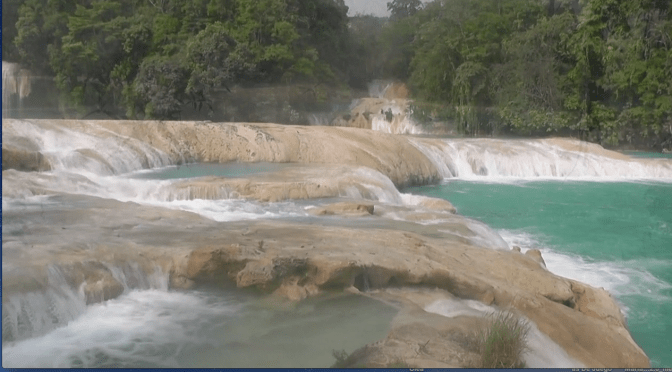
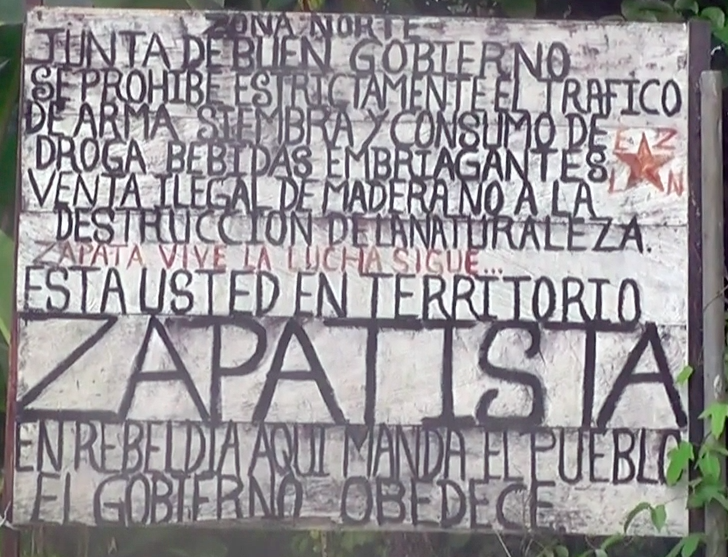

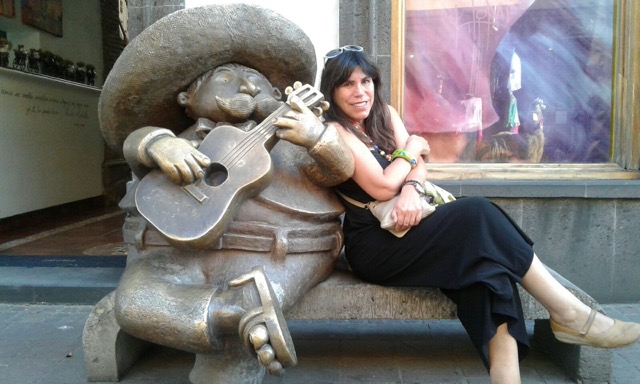
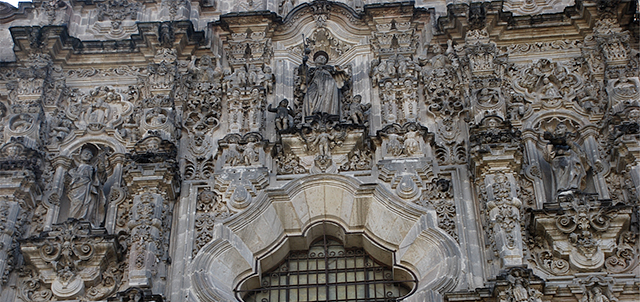

 Unterwegs in Europa, Amerika und Asien