Jetzt fällt auch noch ein Zündschlüssel aus. Heute morgen wollten wir endlich Cartagena in Richtung Santa Marta verlassen, da springt die Esperanza nicht an.
Natürlich geben wir zuerst dem Auto die Schuld und beschweren uns, dass sie gerade jetzt und ausgerechnet in diesem Moment und wenn schon, dann doch bitte zu einem anderen Zeitpunkt ihren Dienst einstellt.
Vor ein paar Tagen habe ich sie noch aus dem Hafen geholt und sicher auf dem Grundstück neben unserem Wohnhaus untergebracht und jetzt lässt sie uns im Stich. Irgendwie finde ich das undankbar und bin stinksauer.
Wir sind kurz davor einen Mechaniker zu suchen, da fällt mir ein, dass wir ein ähnliches Problem schon einmal in Florida hatten. Da sprang der Wagen auch nicht an, obwohl die Zündung zu funktionieren schien. – Damals lag es aber am Schlüssel. Denn den hatte ich am Tag zuvor mit zum Schwimmen ins Meer genommen.
Wer weiß? Vielleicht ist es wieder der Schlüssel und probiere es mit Clemencias zweitem Zündschlüssel. Und siehe da: Esperanza kommt wieder zu sich und zeigt sich fahrbereit wie immer. Uns fällt ein Stein vom Herzen, aber uns ist auch klar, dass wir wegen des Schlüssels etwas unternehmen müssen.
Zum Glück gibt es in Santa Marta eine Fiat-Niederlassung. Die können uns bestimmt helfen, – denken wir und fahren los. – Jetzt nur noch mit einem funktionierenden Zündschlüssel.
JW
Español
No puede ser!
Ahora no nos funciona una llave de encendido del auto más. Esta mañana cuando queríamos salir para Cartagena en dirección a Santa Marta Esperanza no arrancaba.
Naturalmente le echamos la culpa con gusto a terceros, esta vez a nuestro auto, que justamente ahora se para y no da ni patrás ni padelante
Recién hace un par de días la recogí del aeropuerto y la estacioné con cuidado en un parqueadero cerca de nuestra casa y ahora nos juega esta. Me parece desagradecido de su parte y estoy terriblemente enojado..
Estamos prontos a llamar a un mecánico, cuando recuerdo que ya una vez en Florida tuvimos un problema semejante. El auto no encendía, a pesar que la llave de encendido parecía funcionar. Esa vez era la llave. Yo me la llevé a nadar conmigo el día anterior.
Quien sabe … pruebo otra vez con las llaves de Clemencia. Y vea Ud. Esperanza respira y está dispuesta a caminar. Se nos cayó una piedra del corazón. Pero nos era claro que teníamos que hacer algo con la llave. Solamente tenemos una llave del auto y ninguna más. Una se perdió, otra se mojó ..
Por suerte hay en Santa Marta una sucursal de la Fiat. Ahí nos podrán ayudar, pensamos y continuamos viaje con una sola llave.
JW
English
That can’t be
Now one more of our ignition keys does not work any more. Today we finally wanted to leave Cartagena towards Santa Marta, but Esperanza does not start running.
We blame the car first, of course, and complain about her bad behavior and why she does not want to start right now and if that cannot be avoided, why not at another point in time, but not exactly now etc.
Only a few days ago I picked her up at the port and parked her safely next to where we are accommodated and now she lets us down. I find her ungrateful to us and I am pissed off.
We are at the point of calling a mechanic for help, when I suddenly remember an similar situation, which we had in Florida, when our car did not start running, even though the ignition itself seemed to be working. – At that time it was the key. I had taken it with me for a nice swim in the sea.
Who knows? Maybe it is the key again and I try to start the car with the Clemencia’s second key. And fortunately Esperanza wakes up again and is ready to go like always. It is a load off our minds, but we are also aware of the fact, that we have to do something about that key, because we have no more spare keys and only one is still working now.
Fortunately there is a FIAT workshop in Santa Marta. We are sure, they will be able to help us, – do we think and pull out. – Now with only one key properly working.
Heute haben wir erfahren, dass für das Projekt in Huancayo rund € 15.000,- als Spende eingegangen sind. Auch Sabine Herrmann, die Gründerin der Albergue, die das Projekt seit Jahren aus eigenen Geldern und Spenden finanziert, ist natürlich begeistert und meint, diese Spende sei „der blanke Wahnsinn“.
Das Geld stammt aus der Petra-Zimmermann-Stiftung, die von unserem Freund Andreas Jasper als Rechtsanwalt verwaltet wird. Die verstorbene Frau Zimmermann hatte verfügt, dass ein Teil ihres Vermögens für die Unterstützung von Kindern in der so genannten Dritten Welt verwendet wird.
Ja, und jetzt haben wir dieses Geld für die Albergue in Peru bekommen und sind natürlich überglücklich. Mit diesem Geld und den anderen Spenden, die schon eingegangen sind, können wir nicht nur pädagogisch helfen, sondern auch ganz konkrete Dinge finanzieren. Wir sind gespannt und voller Vorfreude auf die Zeit in der Albergue in Huancayo.
JW/Clea
Una locura total
Hoy hemos recibido la noticia que el proyecto en Huancayo recibirá € 15.000,- como donación. También Sabine Herrmann, fundadora del albergue y quien lo mantiene desde años con su propio dinero y donaciones de afuera está feliz y considera que es ¨la locura total¨.
El dinero viene de una asociación llamada Petra-Zimmermann, cuya herencia es administrada por nuestro amigo y avocado Andreas Jasper. La fallecida señora Zimmermann había dispuesto que parte de su herencia fuera al apoyo de niños en el Tercer Mundo.
Si, y así hemos recibido este dinero para el Albergue en Perú y estamos más que felices. . Con este dinero y el de otros espónsores que ya han llegado podemos no solamente financiar proyectos pedagógicos sino también asuntos bien concretos. Estamos llenos de alegría y felices de ir al Albergue en Huancayo.
JW/Clea
Englisch
This is absolutely crazy
Today we got the message that about € 15,000 were donated for the project in Huancayo. Sabine Herrmann who founded the albergue and has ever since supported this project with her own money and donations from outside, is enthusiastic like us and writes in an email to us that this donation is „absolutely crazy“.
The money comes from the Petra-Zimmermann foundation, which is administered by our friend and lawyer Andreas Jasper. The late señora Zimmermann had ordered in her last will, that part of her heritage would be used for supporting children in the so called third world.
Well, and now we got this money fort he Albergue in Peru and we are more than happy. With this money and the other donations, which we have already received from friends, we are not only able to help in a pedagogical way, but also with very concrete measures. We are looking forward to our time in the Albergue in Huancayo with great anticipation.
Nachdem wir unsere Esperanza über eine Woche nicht gesehen und vermisst haben, steht sie nun in Cartagena und wartet geduldig auf die Weiterfahrt. Sie ist nicht ganz so komfortabel untergebracht wie Clemen und ich (Link einbauen), aber ich denke mal, sie merkt das nicht.
Jedenfalls steht sie auf diesem Platz sicher (auch wenn das vielleicht nicht so aussieht) und das in Sicht- und Reichweite, direkt neben unserem Wohnhochhaus. Der Platz wird wohl als möglichst profitables Grundstück für künftige Hochhäuser (vorläufig) nicht bebaut und bietet stattdessen Bussen, Strandbesuchern, die einen Parkplatz suchen, und vor allem Strandverkäufern, die hier ihre ambulanten Stände beladen, säubern (!!!) und nachts abstellen.
JW
Español
Esperanza practica la paciencia
Después de no haber visto a Esperanza una semana la extrañamos. Ella está estacionada en Cartagena y espera pacientemente la continuación del viaje. Ella no tiene un espacio tan confortable como Clemen y yo (link einbauen), pero pienso que no lo nota:
En todo caso está en este lugar segura (aunque no lo pareciera, pero lo es) y podemos verla desde nuestro apartamento en el 21 piso. El lugar, done Esperanza, todavía no ha sido construido para edificios modernos y ofrece parqueamiento a buses y visitantes de la playa que buscan un sitio para estacionar sus autos. Más que nada vendedores ambulantes que estacionan sus quioscos rodantes, los limpian (¡¡¡!!!) , un lugar seguro para pernoctar.
Español
Esperanza is practicing patience
After not having seen Esperanza for over a week and missing her dearly, she is now in Cartagena waiting patiently for driving on again. She has not been accommodated as comfortably as us (link einbauen), but I think she does not recognize it:
Anyway, she is parked in a safe place (even though it does not look like that) and we can even see her from our apartment next door. This place is probably not yet for sale, because the owners might be waiting for prices to go further up. Instead it used by bus companies and beach visitors, who are looking for a cheap and safe place for their vehicles. And it is especially popular with beach vendors, who use it to load and clean (!!!) their movable food stalls, and park them overnight in this secure place.
Die Panama Papers bewegen die Welt, unsere „Panama Papers“ nur die Esperanza und die Projekte, die sie auf ihren Schultern trägt:
Um von A nach B zu kommen bietet das Navi in der Regel verschiedene Wege an: zum Beispiel den kürzesten, den schnellsten oder den ökonomischsten. Um von Panama nach Kolumbien zu kommen, gibt es leider nur einen: die Strecke über den Golf von Darien.
Im Flugzeug ist das gerade mal eine Stunde, für Schiffe eine Tagesfahrt und im Katamaran sind es fünf Tage. Für Esperanza und uns und für alle anderen Overlander, eine Art von endloser „Feuerprobe“.
„Feuer“ bezüglich Hitze und hitzebedingten Schweißausbrüchen. „Probe“ bezüglich Geduld, interkultureller Unterschiede und Kosten.
Wir haben die Feuerprobe bestanden, wenn auch erschöpft und – zwischendurch – am Rande eines Nervenzusammenbruchs (leicht dramatisiert :).
Also erst einmal zu den „Panama Papers“. Wir haben sie nicht nachgezählt, aber gefilmt:
Das sind also die Dokumente, die wir in Panama und dann in Kolumbien bei den zuständigen Behörden bzw. der Schifffahrtsgesellschaft und ihren Agenten beantragen, ausfüllen, besiegeln und – oft teuer – bezahlen mussten. Nicht dargestellt sind die jeweiligen „Zwischenstände“ der Formulare, die wir von einem Amt oder Büro zum anderen befördern mussten, bis endlich alle Stempel darauf waren, die für die legale Ausfuhr aus Panama und die ebenso legale Einfuhr in Kolumbien erforderlich sind.
Wer sich vielleicht nach neuen alten Grenzen in Europa sehnt, möge gewarnt sein. So sieht es aus, wenn Zoll und Immigration mit allem nationalegoistischen Eifer „zuschlagen“. In diesem Sinne war Simon Bolívar sicher eine großer Visionär.
Aber irgendwie haben wir er schließlich geschafft und unsere Esperanza dann im Hafen von Cartagena „in die Arme schließen können“ (auch ein bisschen übertrieben).
Um kein falsches Bild entstehen zu lassen: Die Menschen, denen wir dabei begegnet sind, alle Beamten und die Angestellten der Schifffahrtsgesellschaft, waren freundlich, hilfsbereit, zuvorkommend, liebenswürdig und vertrauenswürdig. Unsere Esperanza ist ohne jeden Schramme in Kolumbien angekommen und nichts, absolut nichts hat gefehlt. Darüber haben wir uns sehr gefreut.
Endlich in Südamerika! Jetzt kann es weiter gehen!
Español
Los Panamá Papers mueven el mundo, nuestros ¨Panama Papers¨ solamente a Esperanza y los proyectos que ella lleva en sus espaldas:
Para ir de A a B nuestro GPS normalmente ofrece diferentes camino: por ejemplo el camino más corto, rápido o económico. Para llegar de Panamá a Colombia hay solamente un trecho, el del Golfo de Darién.
En avión es apenas una hora, en barco un día en catamarán 5. Para Esperanza y los Overlander una especia de prueba de fuego sin fin.
Fuego en relación con el calor y las olas de sudor que provoca. Prueba en relación con paciencia, diferencias interculturales y costos.
Hemos pasado la prueba aunque un poquitín agotados y entre uno y otro día al bordo de un ataque de nervios (un poco dramatizado 🙂
Bueno, volviendo a nuestros ¨Panama Papers¨. No los hemos contado, pero filmado:
Estos son los papeles que hemos tenido que presentar tanto a las autoridades en Panamá y en Colombia, agencia marítima y sus agentes. No están fotografiados algunos papeles que se quedaron y por los que hubo que correr mucho hasta contar con el debido sello. Todo esto para exportar a Esperanza de Panamá e ingresarla a Colombia con toda la fuerza de la ley.
Quien tiene quizás algo de nostalgia de fronteras nuevas en Europa queda aquí avisado. Así resulta cuando Aduana y Migración actúan en un empeño egoísta-nacionalista. Es cierto, que Simón Bolívar fue un visionario en ese sentido.
Pero finalmente lo logramos y hemos podido “abrazar a nuestra Esperanza” (también un poco exagerado) en el Puerto de Cartagena.
Fotos Puerto Bahia
Para no dejar una imagen incorrecta: las personas con las que interactuamos en este proceso fueron extremadamente amables, alegres, graciosas y ayudadoras. Nuestra Esperanza llegó a Colombia enterita y nada le faltaba. Nos alegró eso mucho.
Finalmente en América del Sur! Ahora podemos continuar!
English
The Panama Papers are moving the world. Our„Panama Papers“ are only moving us and Esperanz and the two big projects, she is carrying on her shoulders:
In order to get from A to B the GPS usually offers different options like the shortest, the fastest or the most economic way. In order to get from Panama City to Cartagena in Colombia there is only one way: crossing the Darien Gap.
By plane this is not more than an hour, for ships it is about a day trip, in a catamaran it takes you five days. For us, for Esperanza and for all over landers it is a kind of endless acid test. “Acid” because of the acid sweat caused by extreme heat and test as to patience, intercultural differences and expenses.
I think, we passed the test, but were sometimes exhausted and at the verge of a nervous breakdown (a little dramatized :).
Let’s first have a look at our Panama papers. We have not counted them, but filmed:
This is the documents and forms, which we had to apply for, fill in, get stamped, confirmed and sealed by the different authorities and the shipping company, which transported Esperanza to Colombia. Unfortunately we can’t show the many intermediate steps of the different forms and documents, which we had to carry from one place to the other, from one window to the other, from one counter to the other for hours, before we had finally assembled all the stamps and signatures, which are necessary for legally exporting Esperanza from Panama and legally importing her to Colombia.
Those among you, who might be longing for new old borders in Europe may be warned. This is what happens, when customs and immigration run amok in egoistic national fervor. In this sense Simon Bolivar was obviously a great visionary.
Somehow we finally managed to get across the Big Gap and we could “hug” our Esperanza in the port of Cartagena (also a little bit exaggerated).
Finally we have reached South America! Now we can continue our trip!
Wer nach Panama reist und aus Deutschland kommt, dem fällt sicher Janosch ein und dazu sein wunderbares Kinderbuch: „Oh, wie schön ist Panama“. Die Sehnsucht, die den Bär und seinen Freund, den Tiger, nach Panama treibt, wird sicher auch so manchen deutschen Reisenden angetrieben haben, seinen Fuß in dieses Land zu setzen.
Ob sich das lohnt? Schwer zu sagen: Panama-City ist aus der Entfernung und dort, wo sich das Business niedergelassen hat, sicher eine beeindruckende, moderne Stadt mit einer bemerkenswerten Skyline, selbst bei wolkenverhangenem Himmel.
Aber selbst das Ferienparadies auf Isla Perico und Isla Flamenco, einer Halbinsel gegenüber dem Geschäftsviertel der Stadt, wirkt nicht sonderlich einladend. Neben modernen und sicher teuren Apartmentblocks mit Blick auf Panama City stehen heruntergekommene Schuppen mit Auto- und Bootswracks. Kein besonders schöner Anblick:
El „Casco Viejo“, also der alte Stadtkern wird gerade renoviert. Offensichtlich mit viel Aufwand und Geschmack. Die alte Pracht dieses Stadtteils wird allmählich wieder sichtbar. Um in den renovierten Teil der Altstadt zu kommen, muss man aber durch die verkommenen Stadtviertel fahren, die rings herum liegen. Wir machen die Fahrt in unserer Esperanza und sind froh, als wir dieses Armutsviertel durchquert und einen Parkplatz im Zentrum des „Casco Viejo“ gefunden haben. Dort lassen wir es uns gemeinsam mit Horst in einem italienischen Lokal gut gehen:
Ähnlich kontrastreich scheint das ganze Land zu sein. Colón, die Hafenstadt am Golf, wo ich mit Horst unsere beiden Wohnmobile für die Reise nach Kolumbien einschiffe, ist nur einfach dreckig, heruntergekommen, verwahrlost und abstoßend. Jedenfalls in den Teilen, die wir durchqueren müssen. Eine deprimierende Erfahrung.
Und noch so ein belastender Kontrast: Im Nordwesten bei Guabito überqueren wir die Grenze. Eine abgelegene Gegend. Nach dem Grenzübertritt eine wunderbare nahezu unberührte Urwaldregion. Stundenlang sind wir auf einer einsamen Straße unterwegs und kommen aus dem Staunen über die üppige Vegetation, die uns umgibt, und die Schönheit der Landschaft kaum heraus:
Im Gegensatz dazu die heruntergekommene Ansiedlung an der Grenze. Schon auf der Brücke über den Sixaola Fluss, der bereits zu Panama gehört, Chaos und Improvisation. Nach Dreivierteln der Überquerung muss ich mit meiner breiten Esperanza die lange, schmale Brücke zurückmanövrieren, weil ein entgegenkommender PKW nicht weichen will (oder kann?). Horst, der hinter mir fährt, muss natürlich auch zurück. Beim zweiten Versuch klappt es dann ohne Hindernisse.
Auf der anderen Seite, nun endgültig in Panama, finden wir uns zwischen barackenähnlichen Behelfsbauten auf einem verdreckten Gelände wieder, um das herum neben jeder Menge armseliger Behelfsläden die Büros von Passkontrolle, Zoll, „fumigación“ (eine Besprühung des Autos mit Gas, die verhindern soll, dass Schädlinge ins Land gebracht werden) und das Büro der Autoversicherung gruppiert sind. Alle ohne Beschriftung, nur erkenntlich an den Wartenden vor den Türen und Fenstern. – Wir fragen uns durch und finden schließlich die jeweiligen Schalter.
Zum ersten Mal in Zentralamerika werden wir eher unfreundlich empfangen und abgefertigt. Weil Samstag ist, ist außerdem das „Büro“ der Autoversicherung, ein Bretterverschlag mit Vorhängeschloss, verriegelt. Am Wochenende gibt es keine Autoversicherung!
Wir werden zu Fuß zurück nach Costa Rica geschickt (ohne Passkontrolle!), um dort die obligatorische Autoversicherung abzuschließen. Die gilt dann angeblich auch für Panama. Ein kleiner Junge, der sich, wie einige andere, ein paar Dollar verdienen will, führt uns zurück nach Costa Rica, an den wachhabenden Militärs vorbei. Niemand will wissen, wer wir sind, wohin wir gehen. Die Versicherung bekommen wir schnell und ohne Probleme. Auf dem Rückweg halten die Soldaten aber unseren kleinen Führer auf und nehmen ihn zur Seite. Wir selbst werden vorbeigewinkt und sind ratlos, wissen nicht, was wir tun sollen. Zum Glück lassen die Soldaten unseren kleinen Helfer nach einer Ermahnung wieder laufen. Er bekommt von uns ein schönes Trinkgeld. Damit ist sein Tag wahrscheinlich gerettet. Da noch andere und jüngere tramidadores – wie diese Helfer hier genannt werden – herumstehen, bekommen sie alle etwas:
Dann fahren wir endlich hinein in das Sehnsuchtsland von Tiger und Bär. Und tatsächlich, die Gegend im Nordwesten, wo wir unterwegs sind, entlockt uns ein „Oh, wie schön ist Panama“. Obwohl wir schon ein paar tausend Kilometer durch Mittelamerika gefahren sind, haben wir zum ersten Mal das Gefühl eine nahezu unberührte Urwaldregion zu durchqueren. Es gibt kaum Verkehr, die Straße windet sich – zunächst noch in Meeresnähe mit wunderschönen Ausblicken auf waldumsäumte Buchten – in die Höhe. Sie durchquert den äußersten Osten des Parque Nacional de la Amistad, der zu Costa Rica und Panama gehört. Nur vereinzelt fahren wir durch kleine Siedlungen. Trotz der erkennbaren Armut, wirken die Behausungen sauber und gepflegt.
Unsere Begeisterung wird jäh unterbrochen, als ich im Rückspiegel bemerke, dass dichter Qualm aus unserem Auspuff quillt. Horst, der hinter uns fährt, gibt Lichtsignale und wir halten sofort. Bestürzt stehen wir neben dem Wagen und beobachten, wie auch nach dem Anhalten weiter Qualm aus dem Auspuff kommt:
Ich wage zunächst nicht, den Motor abzustellen, denke, dann wird der Motor noch heißer und etwas fängt womöglich zu brennen an. Fachleute mögen da lächeln, uns war in diesem Moment eher mulmig zu Mute und auch Horst weiß zunächst keinen Rat. Irgendwie vermuten wir alle, es liegt an zu wenig Öl und Überhitzung des Motors, aber merkwürdigerweise hat der Computer weder einen zu geringen Ölstand, noch einen Anstieg der Temperatur signalisiert.
Nach einigen ratlosen Minuten, entschließen wir uns, den Motor doch abzustellen und den Ölstand zu messen. Horst übernimmt das und zeigt mir kurz darauf, dass wir deutlich unter dem zulässigen Minimum liegen. Auch wenn das vielleicht absurd klingt, wir fühlen uns erleichtert, irgendwie haben wir Schlimmeres erwartet. Zum Glück hat Horst jede Menge passendes Öl dabei. Ohne ihn sähen wir jetzt alt aus, mitten im Urwald von Panama. Nachdem wir etwa 2 ½ Liter Öl nachgefüllt und nachgemessen haben, wagen wir, den Motor wieder zu starten. Und tatsächlich, von Qualm ist nichts mehr zu sehen.
Trotz der Unsicherheit entschließen wir uns weiterzufahren. Es bleibt uns auch gar nichts anderes übrig, denn hier können wir nicht stehen bleiben (die Stelle ist schmal und unübersichtlich) und außerdem wird es allmählich dunkel. Wir müssen unbedingt einen sicheren Stellplatz finden. Auf iOverlander (einer off-line App für Leute, die wie wir in der Welt unterwegs sind (Link einbauen) finden wir nichts, was vor Einbruch der Dunkelheit noch erreichbar wäre. Trotzdem: Clemen strahlt – wie immer – Zuversicht aus und verspricht, dass wir schon etwas finden werden.
Und so ist es dann auch. Nur ein paar Kilometer weiter taucht ein Häuschen am Straßenrand auf, in dem eine Familie mit zwei Töchtern (und einem vertrauensseligen Hundchen, das unsere Esperanza sofort erobert) einen kleinen Laden führt:
Zum Glück gibt es auch einen großen Parkplatz vor dem Lädchen. Clemen spricht mit den Besitzern und die haben natürlich nichts dagegen, dass wir hier über Nacht bleiben. Sie bieten uns sogar eine Toilette mit Dusche und frisches Wasser an. Geld wollen sie dafür nicht. Wir drücken den beiden Mädchen bei passender Gelegenheit trotzdem ein schönes „Trinkgeld“ in die Hand:
Auch am nächsten Tag geht es noch eine Zeitlang durch die Urwaldregion. Dann wird es zunehmend flacher und eintöniger. Wir sind uns einig, dass wir das Land zügig durchqueren sollten, um möglichst bald in Panama City anzukommen. Am 24. Mai sollen unsere beiden Autos die Reise nach Kolumbien antreten und wir müssen spätestens am Freitag, dem 20. Mai, unser Auto in Puerto Manzanillo, dem Hafen von Colón, abliefern. Zuvor müssen wir noch die polizeiliche Genehmigung für die legale Ausfuhr in Panama-City einholen. Das dauert bestimmt auch einen Tag.
Wir einigen uns auf zwei Zwischenstopps bis Panama-City. Außerdem buchen wir für die Stadt ein Hotel, das Country Inn and Suites, das auch auf iOverlander empfohlen wird.
Kurz bevor wir am 17. Mai Panama City erreichen, überqueren wir die Puente de las Americas, die über den Panamakanal führt:
Wir sind (alle drei) glücklich, dass wir das Country Inn vorbestellt haben und – endlich – wieder einmal bei normalen Temperaturen schlafen können.
Mittelamerika war doch ziemlich anstrengend und hier im Hotel leben wir hier fast wie im Urlaub. Wenn nur die Laufereien nicht wären. Ein schöner Pool, das ganze Hotel natürlich voll klimatisiert und ein „Friday’s“ lassen uns die Anstrengungen der letzten Tage und Wochen vergessen. Nun gehört „Friday’s“ zwar nicht unbedingt zu unseren Restaurant-Favoriten, aber ein guter Hamburger hat doch etwas für sich.
Ähnlich muss es Tiger und Bär ergangen sein, als sie endlich wieder zu Hause waren, – auch wenn das bei uns noch ein bisschen dauern wird.
JW/Clea
English
Oh, que lindo es Panamá!
Quien viaja a Panamá viniendo de Alemania el país le sugiere el texto para niños ¨Oh que lindo es Panamá¨. La nostalgia que mueve a el oso y su entrañable amigo el tigre hacia Panamá será seguramente una razón que mueve a alemanes a poner un pie en este país.
Si vale la pena es una pregunta abierta. Panama-Ciudad es desde la distancia una ciudad moderna que impacta donde el negocio se ha asentado. Tiene un Skyline que se ve aún en días nublados.
Inclusive el paraíso vacacional en Isla Perico e Isla Flamenco, una península frente al sector comercial de la ciudad, no es realmente invitador. Al lado de los apartamentos lujosos y ciertamente muy caros con vista a Panama City hay barrios muy pobres con barracas y autos destartalados. No es una vista realmente hermosa .
El ¨Casco Viejo¨, lo están renovando. Al parecer con mucho esmero y gusto. El antiguo esplendor de esta ciudad histórica se puede volver a sentir. Para llegar al Casco viejo se tiene que pasar por barrios muy deteriorados y pobres. Hicimos la pasada con nuestra Esperanza y respiramos cuando pasamos estos barrios y encontramos un estacionamiento seguro en el centro de la ciudad. Ahí disfrutamos en un restaurante italiano muy bueno:
Llenos de contrastes pareciera ser todo el país. Colón, la ciudad en el Puerto en el Golfo donde Horst y yo llevamos nuestras casas rodantes para embarcarlas a Colombia es feo, sucio y deprimente. Al menos en los lugares que nos tocó pasar. Una pena.
Y aquí otro contraste interesante: al noroeste, por Guabito, atravesamos la frontera. Una zona alejada. Luego del pase por la frontera, una zona de selva tropical casi virgen. Horas pasamos en camino asombrados por la vegetación voluptuosa que nos rodea y no salimos del asombro ante tanta belleza
Al contrario de las instalaciones precarias y feas de la frontera. Ya en el puente sobre el rio Sixaola que pertenece ya a Panamá reina el caos y la improvisación. Atravesando ya una tercera parte del puente tengo que dar marcha atrás porque el auto que viene en sentido contrario no quiere o no puede retroceder. Horst, quien está detrás mío igual lo tiene que hacer. En el segundo intento lo logramos sin problemas.
Por el otro lado … finalmente Panamá nos encontramos con construcciones rudimentarias en un espacio muy sucio y e torno a él cualquier cantidad tienditas, que hacen la función de oficinas de control de pasaporte, aduana, „fumigación¨ que evitará el ingreso de insectos y microbios al país como la aseguradora de autos. Todas estas oficinas sin indicación y reconocibles solamente por la cantidad de personas que esperan delante de puertas y ventanas. Preguntamos aquí y allá para encontrar finalmente las oficinas correspondientes.
Por primera vez en América Central nos reciben a regaña dientes. Como es sábado estaba la ¨oficina¨ de la compañía de seguros – una improvisación de madera con candado cerrada. El fin de semana no hay seguro de autos!
Nos mandaron a pie a Costa Rica (sin control de pasaporte!) para ahí poder asegurar el auto. Al parecer éste es válido también en Panamá. Un muchacho, como algunos por aquí, que quiere ganarse unos dólares nos lleva a Costa Rica pasando por la custodia militar. Nadie quiere saber quiénes somos ni adónde vamos. Rápido obtuvimos nuestro seguro, sin problemas. Al regresar por la frontera nuestro ayudante es requisado. Ahí estábamos sin saber qué hacer. Luego de una advertencia nuestro ayudante es liberado. Le dimos una buena propina. Y con ésta seguramente estaba el día salvado para él. Y como habían otros ¨tramitadores¨ dando vueltas por ahí, se beneficiaron todos con una propina.
Y ahí viajamos finalmente hacia el país de la nostalgia del Tigre y el Oso de Janosch. Y en realidad, la zona noroeste, por donde pasamos nos suelta un ¨Oh, qué hermoso es Panamá!“. A pesar que ya hemos viajado unos cuantos kilómetros por América Central cruzamos una hermosa zona de selva. Casi no hay tráfico. La carretera hace curvas hacia el mar con hermosas vistas con árboles y arbustos. Pronto estamos en el Parque Nacional de la Amistad que pertenece a Costa Rica y Panamá. A pesar de la pobreza existente el verde ayuda a mantener las casas limpias y cuidadas.
Nuestro entusiasmo se trunca cuando vemos por el espejo retrovisor que un humo sale de nuestro escape. Horst, quien va detrás de nosotros nos hace señales de luz y paramos inmediatamente. Asustados vemos cómo luego de parar sigue votando humo del escape.
Primero no me atrevo a apagar el motor, pues el motor aumentaría su temperatura y podría ocasionar un incencio. Los entendidos se reirán probablemente de mi cuento, pero yo estuve muy nervioso y tampoco Horst tenía una solución al problema. Pensamos que era de pronto muy poco aceite y recalentamiento del motor, pero el computador del auto no señalaba poco aceite, tampoco un recalentamiento.
Después de unos minutos sin saber qué hacer decidimos apagar el motor y medir el aceite. Horst hace la medición y nos indica que estamos en el mínimo máximo. Aunque pareciera extraño nos sentimos aliviados. Esperábamos algo peor. Menos mal que Horst tiene suficiente aceite. Sin él estaríamos aún en la selva panameña, envejecidos y sedientos. Luego de echarle 2 1/2 de aceite nos atrevemos a prender el motor nuevamente. No hay más humo.
A pesar de la inseguridad nos decidimos continuar el viaje. No nos queda otra porque igual no nos podemos quedar. La carretera es angosta y empieza a oscurecer. EI iOverlander (una App off-line para gente que anda ro rodando por el mundo) no encontramos ningún lugar donde pernoctar cerca. Sin embargo Clemen brilla – como siempre – y nos promete que encontraremos algo.
Y así sucedió. Luego de unos kilómetros encontramos una casita a orilla de la carretera: una familia con dos niñas, perritos que pronto ocuparon nuestra Esperanza, además de una pequeña tienda.
Para nuestra suerte hay un gran espacio delante de la tienda. Clemen habla con los dueños y por supuesto que no tienen nada en contra que nos quedemos a pasar la noche. Nos ofrecieron baño y ducha sin pedir nada a cambio. A pesar de su insistencia fuimos más tercos y dejamos unas propinas a las niñas.
Al día siguiente continúa la región selvática. Luego el paisaje se pone chato y repetitivo. Nuestros autos deben partir el 24 para Colombia y debemos entregar el auto el 20 demayor en el Puerto de Manzanillo en Colón. Antes debemos conseguir el permiso policial en Panamá para la exportación legal. Eso nos tomará por lo menos un día entero
Nos pusimos de acuerdo hacer dos paradas hasta Panamá – City y reservamos un hotel, el Contry Inn and Suites que está recomendado también en iOverlander.
Antes de llegar a Panamá el 17 de mayo pasamos por el Puente de las America, que lleva al Canal de Panamá.
Los tres estamos felices de haber reservado el Country Inn que nos permite dormir a temperaturas normales..
Fotos vom Country Inn (evtl. aus Internet)
América Central fue muy exigente y aquí en el hotel pareciera vacaciones. Pero están los trámites por hacer. Una buena piscina, todo el hotel climatizado y un ¨Fryday¨nos hace olvidar los últimos días dificilitos. ¨Fridays¨no es de nuestros favoritos, pero una buena hamburguesa tiene algo especial.
Similar les debe haber pasado al Tigre y el Oso, cuando llegaron a casa, aunque en nuestro caso demora aún un poquito.
JW
English
Beitragsbild: ???
The trip to Panama
Whoever travels to Panama, is probably reminded of „The trip to Panama“ by the German children’s book author Janosch. The German title „Oh, how beautiful is Panama“ gives an idea of the longing, which urges the bear and his best friend, the tiger, to travel to Panama.
Is it really worth going there, even if you are not a tiger or a bear? Difficult to say. From a distance and where big business has settled down, Panama City is certainly an impressive and modern city, with a remarkable skyline, even if the sky is clouded.
But even the holiday paradise on Isla Perico and Isla Flameno, which is a peninsula opposite the city center, is not very inviting. Close to modern and probably expensive apartment blocks with a view of Panama City, you will find ramshackle sheds with car and boat-wrecks everywhere. Not a very beautiful view.
The old city center, called „Casco Viejo“, is being renovated. Obviously with much money and very good taste. The old splendor of this quarter is slowly getting visible again. But in order to reach the restored part of the old city, you have to cross some depraved parts of Panama Ciudad, which surround the old part. We do this trip in our Esperanza and we feel relieved after we have crossed these impoverished areas and found a parking place in the middle of the Casco Viejo. There we try to relax and enjoy the evening together with Horst in a very good Italian restaurant.
Similar contrasts can be found everywhere in the country. Colón, the port on the Caribbean side of Panama, from where we have to ship our motorhomes to Colombia, is simply dirty, run-down, shabby and repugnant. So are at least the parts, which we have to cross in order to get to the harbor. It’s a depressing experience.
Well, there is another depressing contrast. Near Guabito in the extreme north west of Panama we cross the border. It is a remote area. After entering Panama we find ourselves in a beautiful and almost untouched rainforest region. For hours we travel on a lonely road and cannot stop marveling at the lush vegetation, which is surrounding us, and the beauty of the landscape:
In stark contrast the shabby settlement at the border. On the bridge across the Sixaola river, which already belongs to Panama, we immediately meet chaos and improvisation. After we have already completed three quarters of the one lane bridge I have to back up the whole length of the bridge with my wide motorhome, because the driver of a car coming from the other side, is not able to or does not want to back up himself. Horst who is following behind me has also got to drive backwards with his even bigger car. But the second try is successful. We do not meet any obstacles.
On the other side oft he bridge, now in Panama, we find ourselves between a number of shabby wooden shags on a filthy terrain, surrounded by temporary buildings and poor shops, with customs, immigration and fumigación , a place, where cars entering to Panama are sprayed against parasites. Here we also find the car insurance office. The buildings have no signs, but only lines of people in front of some of the small windows or doors. – After asking the waiting people we finally find, what we are looking for.
For the first time in Central America, we are not really welcomed in a friendly way. In addition the car insurance office, which is not more than another shack with a padlock on the door, is closed, because it is Saturday. On weekends you cannot buy insurances.
We are sent back to Costa Rica (this time without any passport control) being advised to buy the car insurance over there. The Costa Rica car insurance is supposed to cover Panama as well. A small boy, who wants to earn a couple of dollars, offers his help and takes us back to Costa Rica, passing by the soldiers on guard. Nobody wants to know, who we are and where we are heading. Back in Costa Rica we get the insurance without any problems. When crossing the border to Panama again, the soldiers do not bother us, but they stop our little helper. We don’t know, what to do. Fortunately the soldiers let the boy go after they have reprimanded him. He gets a nice tip from us. This will probably help him to save the whole day. Since there are even some younger tramitadores around, they all get some money from us.
Finally we drive into the bear’s and the tiger’s country of desire. And yes, the area in the North West, where we are traveling, entices us to say „Oh, how beautiful is Panama.“ Though we have already driven a couple of thousands of miles in Central America, for the first time we have the feeling to be in an almost untouched rain forest. There is hardly any traffic on the road. The road slowly winds up from sea level to the heights of the Parque Nacional de Amistad, which belongs to Costa Rica and Panama. We have wonderful views down to the ocean, with bays surrounded by lush rain forests. From time to time we drive through small villages. Inspite of the poverty, which is visible everywhere, the modest houses seem to be clean and well-maintained.
Our enthusiasm is suddenly interrupted, when I see dense smoke spilling out of our exhaust pipe in the rear mirror. Horst who is driving behind us is also signaling with his beam lights, that something seems to be wrong and we stop immediately. With some concern we all stand around Esperanza and observe how the white smoke is continuing coming out oft he exhaust in spite of stopping the car.
First I don’t dare switching oft he engine, because I am afraid this might further heat up the engine and it might start burning. People who know more about cars than me, might be smiling now, but at that moment we were really scared of doing the wrong thing. We were all thinking that probably it got to do with the oil and a kind of overheating of he engine, but strangely enough the computer had neither shown rising temperatures nor a falling oil pressure.
After a couple of minutes without any clue to what we might do, we finally decide to switch the engine off and measure the oil pressure. Horst does it and after only moments we see that theoil level is considerably under the minimum mark. IT may sound absurd, but we feel relieved, but somehow we had expected something worth. Fortunately Horst has got a lot of oil with him and we fill in about a half gallon. Without Horst we would have been in trouble, because we did not carry any spare oil at that time. Since then we do, of course. And after measuring the oil level again, we finally dare starting the motor again and – yes, it works and there is no more smoke spilling out oft he exhaust pipe.
In spite of the uncertainty we decide to continue our trip. We do not have much of a choice, because we cannot stay here on the road, which is narrow and in a blind bend. In addition it is getting dark. We have to find a safe place to stay overnight soon. On iOverlander (which is an off-line application for people who travel overland like us (Link einbauen) we do not find anything, we could reach before it will get dark. But Clemen – like always – is beaming with trust in our good luck and promises, we will find definitely find something.
And yes, she is right. After a couple of miles a small house appears close to the road. We stop and find a family with two daughters (and a credulous doggy, which immediately enters our Esperanza). They run a small shop there.
And fortunately there is much parking space in front of the shop. Clemen talks to the owners and they have no problem with us, staying overnight in their place. They even offer us their bathrooms with a shower and frsh water. They d not want any money for that. At the right moment, when the parents are not near, we give the two girls a couple of dollars.
Most of the following day we spend driving through rain forests. Then the mountains slowly disappear and the landscape becomes flat and boring. We all agree on crossing the country quickly in order to get to Panama City soon. On 24 May our two cars are supposed to be shipped to Colombia and we have to deliver both cars at the port of Manzanillo not later than 20 May. Before that we still have to get the official permit for shipping our car abroad from the Panama police, which cooperates in this case with Interpol . That will certainly take us another day or so in Panama City.
We agree on two more overnight stops before Panama-City. In addition we make reservations at the Country Inn and Suites in Panama City, which is recommended on iOverlander.
Shortly before we arrive at Panama City on 17 May, we cross the Puente de las Americas, which crosses the Panama Canal.
We are all happy about staying in the Country Inn, where we enjoy sleeping very well at normal night temperatures.
Central America was certainly exhausting, but in the hotel we almost live as if we were on holiday. The only thing, which disturbs, are the official errands we have to make. There is a nice pool, the whole hotel is – of course – air-conditioned and at Friday’s we try to forget the last stressful week. “Friday’s is not really one of our favorite chain-restaurants, but a good hamburger has definitely something to be said for it.
Something like that the bear and the tiger may have felt, when they finally reached home, – even if this will still last quite a while in our case.
Nachdem sich mein eigenes MacBook in Palenque verabschiedet hat, haben wir jetzt ähnliche Probleme mit dem MacBook Air von Clemen. Auch hier erscheint beim Start nur noch ein grauer Bildschirm mit einem Ordner und dem „schön geschwungenen“ Fragezeichen:
Wir sind ratlos und fragen uns, wie das weitergehen soll, im Moment funktioniert jedenfalls keiner unserer beiden Computer.
Deswegen müssen wir unseren Blog vorläufig einstellen. Über Internet-Cafes kann ich gerade noch Textnachrichten über den Browser hochladen. Ich hoffe, dass wir in Panama-City unsere Computer reparieren lassen können.
Immerhin verschafft uns diese technische Panne eine Atempause, die wir uns ohnehin schon selbst verordnet haben (link zum 24. April).
JW/Clea
Español
UF!… se puede vivir sin computador?
Después que mi computador se despidió en Palenque tenemos problemas similares con el MacBook Air de Clemen. Aquí aparece al iniciar la sesión una pantalla gris con un ordenador con el signo de interrogación ondulante:
Estamos perdidos y nos preguntamos cómo continuará todo, especialmente con nuestro blog.
Por el momento tenemos que parar el blog. A través de los cafés de Internet todavía puedo subir con las justas textos. Espero que en Panamá pueda reparar mi computadora
En todo caso este impase técnico nos permite una pausa de respiro que igualmente nos la habíamos recetado ya.
JW/Clea
English
Life without a computer – is that possible?
After my own MacBook has already said good-bye in Palenque, we now have similar problems with Clemen’s MacBook Air. Like on my own computer a picture with a “nicely swung” question mark shows up after starting the Mac:
We have no clue to it, and we ask ourselves how this will continue, especially with our blog. In Internet cafés I can still upload some text messages using the browser. I hope, we will be able to have our computers fixed in Panama-City.
At least this technical failure helps us to take a break from our blog, one which we have already prescribed to ourselves, when we were still in Palenque, but never really observed.
Heute machen wir einen Ausflug nach Granada, nein, nicht in Spanien, sondern hier in Nicaragua. Die Spanier haben überall in Lateinamerika die Namen ihrer Heimatstädte einfach übertragen. Mit dem Shuttle geht es vom Hostel Paradiso ins Zentrum des kleinen Städtchens. Mit uns im Bus lauter junge Leute:
Diese Diashow benötigt JavaScript.
Granada ist ein kleines, ruhiges Städtchen mit kolonialem Flair
Auch hier wurden – ähnlich wie in der Hauptstadt Managua bei einem schweren Erdbeben im Jahre 1972 die meisten historischen Bauten dem Erdboden gleichgemacht. Viele Menschen starben unter den Trümmern.
Das moderne Granada könnte überall in Mittelamerika liegen. Uns interessieren vor allem das Leben auf der Straße und der Markt. Clemen wird von diesen Märkten angezogen wie ein Magnet:
Mir persönlich kommen diese Märkte alle gleich laut und unübersichtlich vor, egal ob in Nicaragua, in Guatemala oder in Mexiko. Clemen lebt dort auf und kommt mit jedermann und –frau ins Gespräch. Natürlich auch mit dem Schuhmacher und es dauert nicht lange, bis meine abgetretenen Sandalen repariert werden. Dabei ergeben sich weitere unerwartete Begegnungen:
Auf dem Rückweg gelingt mir – wenn auch zufällig – eine Aufnahme, die mir wie ein kleines Kunstwerk erscheint:
JW
Español
Hoy hacemos un paseo a Granada, no, no en España, sino aquí en Nicaragua. Los españoles han repetido sus nombres por todos lados. Con el Shuttle del Hostel Paradiso partimos al centro de la pequeña ciudad. Con nosotros en el bus pura gente joven.
Diese Diashow benötigt JavaScript.
Granada es una ciudad tranquila y pequeña con su toque colonial.
Aquí al igual que en Managua sufrió mucho la ciudad con el terremoto en el año 1972 que se tiró abajo las construcciones más representativas. Mucha gente perdió la vida en los escombros.
La Granada moderna podría estar en cualquier lugar en América Central. A nosotros nos interesa más la vida en la calle y en los mercados. Clemen es atraída por los mercados como si tuvieran ambos un imán.
Yo, Jürgen, poco puedo hacer en los mercados. Todos me parecen igual de ruidosos y caóticos, igual si están en Nicaragua, Guatemala o México. Clemen revive ahí y entra en contacto con medio mundo. Naturalmente con el zapatero y no demora mucho y mis sandalias están ya reparadas, como nuevas. Mientras tanto se suceden encuentros inesperados :
En el camino de regreso hice algunas tomas que parecen más una obra de arte, – pero por pura casualidad.
English
Today we make an excursion to Granada, no, not in Spain, but here in Nicaragua. They Spaniards re-used the names of their Spanish cities all over Latin America. By shuttle we travel from the Hostel Paradiso to the center of this small city. There are lots of young people with us on the bus.
Diese Diashow benötigt JavaScript.
Granada is a small and quiet little town with a colonial touch.
Like in the capital Managua most oft he historic buildings were flattened during the 1972 earthquake. Many people died under the debris.
The modern Granada could be everywhere in Latin America. We are mainly interested in the life in the streets and on the market. These markets like a magnet attract Clemen.
Personally I have the feeling that these markets are all the same noisy and chaotic, no matter whether in Nicaragua, in Guatemala or in Mexico. Clemen comes alive in this world and she immediately starts talking with everybody, also with the shoemaker, of course. And it does not take long, until my old “German Sandalen” have been repaired well. While waiting for the shoes some unexpected situations develop …
On the way back I accidentally shoot a scene from the bus, which looks like art:
Seit gestern sind wir an der Laguna de Apoyo, in der Nähe von Granada in Nicaragua. Die Zufahrt führt über ein extrem steile Straße hinab in den Krater. Unten gibt es mehrere Hotels am Strand des Kratersees. Im Hostel Paradiso finden wir auch einen Platz für unsere Esperanza.
Obwohl es wirklich sehr, sehr eng ist, schaffen wir es irgendwie, unser Wohnmobil so zu positionieren, dass wir niemandem im Wege stehen, sogar ein bisschen vom See erspähen können, nicht zu weit von einer Steckdose entfernt sind und – ja einfach ein ruhiges Plätzchen haben, wo wir uns erholen können:
Wir haben es nicht nachgemessen, aber das Wasser im See dürfte über 30 Grad haben.
Das Hostel ist offensichtlich ein „Geheimtipp“ unter Rucksacktouristen. Geschätztes Durchschnittsalter (inklusive Personal) so um die 25 Jahre. Wir sorgen dafür, dass dieser Durchschnitt deutlich steigt.
Schon kurz nach Ankunft entschließen wir uns, hier etwas länger zu bleiben, als eigentlich vorgesehen. Es gefällt uns hier.
JW
Español
Desde ayer estamos en la laguna de apoyo, cerca de Granada en Nicaragua. La entrada a la laguna es muy empinada hasta el cráter que es hoy la laguna. Abajo hay algunos hoteles en la playa de la laguna del cráter. En el Hostel Paradiso encontramos también un lugar para nuestra Esperanza.
A pesar que es muy, muy angosto logramos parquear la caravana, de tal manera que no interrumpimos el paso y vemos inclusive la laguna desde nuestro lugar. También hay cerca una toma corriente que nos conecta con electricidad, un lugar tranquilo, donde podemos recuperar fuerzas.
No hemos tomado la temperatura de la laguna, pero pienso que tiene más de 30 grados.
El hotel es obviamente un tip secreto entre los turistas mochileros. Promedio de edad estimada, (inclusive del personal ) por los 25 años. Nos encargamos de levantar el promedio drásticamente.
Ya a la llegada decidimos quedarnos un poco más. Nos gusta mucho este ambiente de la laguna y su gente en Nicaragua.
JW
English
Since yesterday we have been at the Laguna de Apoyo near Granada in Nicaragua. The access road, which leads down into the crater, is extremely steep. At the bottom of the crater there are several hotels. In the Hostel Paradiso we find a space for our Esperanza.
Though the space is very, very tight, we somehow manage to position our car in a way, that we are not in anybody’s way, do see a little bit of the lake from where we are parked and are not too far away from a plug for the electricity cord and – well, just have a quiet place, where we can relax for some time.
We have not measured it, but the water temperature of the lake must be over 86 F.
The hostel is obviously an “insider’s tip” among backpackers. WE guess, that the the average age (including the hotel staff) is around 25 years. We raise this average considerably.
Shortly after arriving we decide to stay somewhat longer in this place, than we had planned. We like this place.
Kaum in Nicaragua geraten wir in den ersten Wolkenbruch. Die Regenzeit kündigt sich an. Selbst die einheimischen Fahrer bleiben stehen und warten ab. Es ist beeindruckend, welche Wassermassen da herabstürzen, und es fällt nicht schwer sich auszumalen, wie schnell sich hier ein bedrohliches Szenario entwickeln kann:
So eine Situation erzeugt Stress. Vor allem, wenn man darauf eigentlich nicht vorbereitet ist. In meinem Eifer, das Geschehen filmen zu wollen, bitte ich Clemen, das Fenster aufzumachen. Dass damit massenhaft Wasser in unser Auto stürzt, bedenken wir beide nicht. Die Hefte mit den Tagebucheinträgen von Clemen und ihr „Wunder-Kurs“ werden pitschnass. Vor Schreck vergesse ich die Kamera abzuschalten und filme – ohne es zu wollen – unseren aufflammenden Streit. Die Bilder sind wirr, der Streit heftig wie der Wolkenbruch.
JW
Español
El tiempo de lluvia empieza (caudalosamente)
Ni bien entramos a Nicaragua aparecen las primeras nubes cargadas. Se anuncia la época de lluvia. Incluso los viajeros nicaragüenses paran y esperan a que pase el chubasco. Es impresionante la cantidad de agua que cae. Es fácil imaginarse cuán rápido puede crearse aquí un escenario amenazante:
Una situación así genera estrés. Sobre todo cuando no se está preparado para eso. En mi locura por filmar todo le pido a Clemen que abra la ventana. Ninguno de los dos contó con la cantidad de agua que iba a entrar al auto, los cuadernos de apuntes diario de Clemen y su curso de milagros que hace peligraban.
De puro susto olvido apagar la cámara que siguió filmando nuestro ¨pleito¨. Las imágenes son confusas, el pleito como el chubasco
JW
English
The rainy season begins (with a storm)
Hardly have we arrived in Nicaragua, when we get into the first torrential downpour. The rainy season is about to start. Even the local drivers stop their cars and wait. It is impressive how much water is pouring down, and it is not difficult to imagine how quickly something like that can evolve into a threatening scenario.
A situation like that causes stress. Especially if you are not really prepared for that. In my eagerness to film, what is going on outside, I ask Clemen to open the side window. None of us is considering, how this will allow “tons” of water to pour into our car. Clemen’s diary and her “Course of Miracles” get soaked immediately. I am so scared, that I forget to switch of the camera and continue shooting – not knowing it –the argument, which flares up. The pictures are a muddle, the argument is aggressive like the rain storm we are in.
Palenque in Mexiko, Tikal in Guatemala und Copán in Honduras sind die drei größten und eindrucksvollsten Städte, die von den Mayas hinterlassen wurden.
Bis heute weiß niemand genau, warum diese großen Städte nach Jahrhunderten des wirtschaftlichen und kulturellen Erfolgs im 8. und 9. Jahrhundert n.Chr. von ihren Bewohnern relativ rasch aufgegeben und verlassen wurden:
Was auch immer die Gründe gewesen sein mögen, die Bauten, die sie hinterlassen haben, beeindrucken auch heute noch gewaltig:
JW/Clea
Español
Palenque en Mejico, Tikal en Guatemala y Copán en Honduras son las tres ciudades más grandes e impresionantes, que dejaron los Mayas.
Hasta hoy día nadie sabe por seguro, porque estas ciudades fueron abandonados en los siglos 8 y 9 d.c. por sus habitantes, después de siglos de éxito cultural y económico.
Cuales hubieran podido ser las razones, los edificios, que han dejado, todavía impresionan mucho hasta hoy día.
JW/Clea
English
Palenque in Mexico, Tikal in Guatemala and Copán in Honduras are the three most impressive and biggest cities, which the Mayas have left.
Until today nobody knows for sure, why their inhabitants abandoned these great cities in the 8th and 9th century after centuries of economic and cultural success.
Whatever the reasons may have been, the buildings, which they have left, are very impressive until today.
An der Grenze zwischen Guatemala und Honduras üben wir mal wieder Geduld zu lernen. Da wir gehört haben, dass es oft lange Warteschlangen gibt, sind wir bereits um 10 Uhr früh an der Grenze. Schon Kilometer vor dem eigentlichen Grenzübergang stehen rechts und links der Landstraße schwere Laster:
Dann beginnt die Prozedur. Vor uns warten exakt 19 Lastwagenfahrer auf Ihre Abfertigung bei der „Immigration“ in Guatemala. – Das sollte eigentlich schnell gehen, denken wir. – Tut es aber nicht. Nach gut einer Stunde ist nichts passiert.
Inzwischen haben wir von den erfahrenen „camioneros“ gehört, dass „das System“ nicht funktioniert. Mit anderen Worten: die Computer machen nicht mit. Das heißt warten. Geduldig warten, bei ca. 28 Grad im Schatten:
Vor uns und hinter uns Lastwagenfahrer, die dieses Problem schon öfter erlebt haben und uns trösten: Es kann sich nur um Stunden handeln.
Diese Diashow benötigt JavaScript.
Unter den Wartenden gibt es auch drei Spanier aus Barcelona – vielleicht sollte ich besser „Katalanen“ sagen. Sympathische junge Leute, die uns natürlich an unseren Cesar erinnern. Sie sind mit einem älteren amerikanischen RV unterwegs:
Außerdem treffen wir Horst, der (vorübergehend) alleine mit seinem riesigen Mercedes-Unimog-Geländewagen unterwegs ist. Zuletzt haben wir ihn und Rita in Pátzcuaro in Mexiko getroffen:
Nach circa 6 Stunden fahren die Computer in Guatemala endlich hoch, und dann geht es relativ schnell. Auch auf der honduranischen Seite funktioniert alles und eine halbe Stunde später sind wir endlich in Honduras.
JW
Español
Pasando la frontera para Honduras
En la frontera entre Guatemala y Honduras practicamos una vez más la paciencia. Como habíamos escuchado que se forma largas colas en la frontera estuvimos ahí a las 10 de la mañana. Ya unos kilómetros antes de la frontera nos topamos con una larga hilera de camiones
Y empezó el procedo. Antes de nosotros estaban exactamente 19 camioneros que esperaban el trámite en Migración en Guatemala. En realidad debería ser rápido todo, pensábamos. No fue así. Después de una hora nada había cambiado.
Escuchamos de los camioneros experimentados que el sistema se ha caído. Esto es las computadoras no nos colaboran. Quiere decir: esperar. Pacientemente esperamos con 28 grados en la sombra.
Diese Diashow benötigt JavaScript.
Delante y detrás de nosotros muchos camioneros, que obviamente conocen esta situación por experiencia. Ellos nos consuelan diciendo: Se trata solamente de unas horitas.
Entre los que están esperando hay también tres Españoles de Barcelona, – mejor dicho quizás tres catalanes. Estos jovenes son muy simpáticos y nos recuerdan de nuestro hijo Cesar. Están viajando en un viejo RV americano:
También nos encontramos a Horst, un amigo de la ruta, quien viaja con su enorme 4×4 Unimog Mercedes … por ahora solo. La última vez que lo vimos fue con su amiga Rita en Pátzcuaro:
Después de aprox. 6 horas funcionan las computadoras en Guatemala y ahora la cosa fluye rápidamente. También en la parte hondureña funciona todo con rapidez y ya! Estamos finalmente en territorio hondureño.
JW
English
Crossing the border to Honduras
At the border between Guatemala and Honduras we have to learn how to be patient once again. Since we have heard that there might be long lines of people at the border, we are already there at 10 0’clock in the morning. A couple of miles before the real border crossing there are already long lines of heavy trucks on both sides of the street:
Then the procedure begins. There are exactly 19 truck drivers, who are already waiting in front of the immigration counter in Guatemala. – That shouldn’t be too many for a short waiting time, do we think. – But we are wrong. Even after an hour absolutely nothing has happened.
Meanwhile the experienced truckers have told us, that the „system is down“, meaning the computers don’t work. And that means waiting. Patiently waiting at about 82 F in the shade.
Diese Diashow benötigt JavaScript.
In front of us and behind us many truckers, who have already gone through this experience several times before and now try to comfort us: It can only be a matter of some hours.
Among those who are waiting there are also three Spaniards from Barcelona – or should I better say three Catalans? Nice young people, who remind us of our son Cesar, of course. They are traveling in an old American RV:
Besides we meet Horst again, who is on his way with his huge 4×4 Mercedes Unimog. Last time we saw him with his girl friend Rita in Pátzuaro in Mexico. At the moment he is traveling alone:
Foto Horst/JW
After about 6 hours the computers finally start working again, and then it doesn’t take much time any more. On the Honduran side everything goes fats as well and about a half our later we are finally on Honduran territory.
Die United Fruit Company
Als die Trompete erklang,
war alles auf der Erde vorbereitet
und Jehova verteilte die Welt
an die Coca-Cola GmbH, die Anaconda Kupferminen,
die Ford Motorenwerke und andere Unternehmen.
Die United Fruit Company
reservierte sich das saftigste Stück,
die zentrale Küste meines Kontinents,
die liebliche Taille von Amerika.
Sie taufte ihre Neuerwerbungen
„Bananen-Republiken“,
und über den schlafenden Toten,
über den ruhelosen Helden,
die Größe errungen hatten,
Freiheit und Fahnen,
errichtete sie eine Opera buffa:
Sie verteilte Willkür,
verschenkte Cäsaren-Kronen,
ermunterte den Neid, lockte
die Diktatur der Schmeißfliegen an:
Trujillos-Fliegen, Tachos-Fliegen,
Caráas-Fliegen, Martánez-Fliegen,
Ubico-Fliegen, Fliegen, feucht
von demütigem und geronnenem Blut,
besoffene Fliegen, die brummen
über den Gräbern des Volkes,
Zirkusfliegen, schlaue Fliegen,
in Tyrannei bewandert.
Inmitten der blutdürstigen Fliegen
legt die United Fruit Company an
und schleppt Kaffee und Früchte weg,
auf ihren Schiffen, die davongleiten
wie Schatzkisten
aus unseren untergehenden Ländern.
Währenddessen stürzen sich von den zuckersatten Kais der Häfen Indios, verborgen vom Morgennebel. Ein Körper rollt hinab, ein Ding ohne Namen, eine ausgefallene Nummer, ein abgestorbener Fruchtzweig, auf den Abfallhaufen geworfen.
Cuando sonó la trompeta,
estuvo todo preparado en la tierra,
y Jehová repartió el mundo a Coca-Cola Inc., Anaconda,
Ford Motors y otras entidades:
la Compañía Frutera Inc.
se reservó lo mas jugoso,
la costa central de mi tierra,
la dulce cintura de América.
Bautizó de nuevo sus tierras como
«Repúblicas Bananas»,
y sobre los muertos dormidos,
sobre los héroes inquietos
que conquistaron la grandeza,
la libertad y las banderas,
estableció la ópera bufa:
enajenó los albedríos,
regaló coronas de César,
desenvainó la envidia,
atrajo la dictatura de las moscas,
moscas Trujillos, moscas Tachos,
moscas Carías, moscas Martínez,
moscas Ubico, moscas húmedas
de sangre humilde y mermelada,
moscas borrachas que zumban
cubre las tumbas populares,
moscas de circo, sabias moscas
entendidas en tiranía.
Entre las moscas sanguinarias
la Frutera desembarca,
arrasando el café y las frutas,
en sus barcos que deslizaron
como bandejas el tesoro
de nuestras tierras sumergida,s
Mientras tanto,
por los abismos azucarados de los puertos,
caían indios sepultados
en el vapor de la mañana:
un cuerpo rueda, una cosa sin nombre,
un número caído, un racimo de fruta muerta
derramada en el pudridero.
English
Pablo Neruda
The United Fruit Company
When the trumpet sounded, everything
on earth was prepared
and Jehovah distributed the world
to Coca Cola Inc., Anaconda,
Ford Motors and other entities:
The Fruit Company Inc.
reserved the juiciest for itself,
the central coast of my land,
the sweet waist of America.
It re-baptized the lands
„Banana Republics“
and on the sleeping dead,
on the restless heroes
who’d conquered greatness,
liberty and flags,
it founded a comic opera:
It alienated free wills,
gave crowns of Caesar as gifts,
unsheathed jealousy, attracted
the dictatorship of the flies,
Trujillo flies, Tachos flies,
Carias flies, Martinez flies,
Ubico flies, flies soppy
with humble blood and marmelade,
drunken flies that buzz
around common graves,
circus flies, learned flies
adept at tyranny.
The Company disembarks
among the blood-thirsty flies,
brim-filling their boats that slide
with the coffee and fruit treasure
of our submerged lands like trays.
Meanwhile, along the sugared up
abysms of the ports,
indians fall over, buried
in the morning mist:
a body rolls, a thing
without a name, a fallen number,
a bunch of dead fruit
spills into the pile of rot.
Translation taken from Mark Eisner’s marvelous anthology The Essential Neruda (2004), pages 95-97.
in letzter Zeit hatten wir verschiedene Probleme, die es verhindert haben, dass wir unseren Blog pflegen konnten. Davon mehr in den nächsten Tagen (sofern die Technik mitmacht).
Aber wir leben noch, wie Ihr seht, und es geht uns sehr gut.
Español
Queridos amigos y amigas en el mundo
últimamente tuvimos algunos problemas, que no nos permitieron trabajar en nuestro blog. Más detalles en los días siguientes (sí la técnica lo permite).
Pero todavía vivimos y estamos muy bien.
English
Dear friends all over the world,
Recently we had some problems, which did not allow us to work on our blog. More about these difficulties in the next days (if technical issues don’t prevent it.)
But we are still alive and are doing very fine. Don’t worry.
Von Guatemala hatte ich die schönsten und farbenfrohesten Bilder im Kopf, die Gerüche von frischen Früchten und den Anblick von Frauen mit langen Zöpfen, die ihre Lasten auf dem Kopf tragen … als ich Mexiko verließ und die ersten Schritte auf guatemaltekischer Seite machte, nahm ich die Realität in diesem Land zum ersten Mal wahr und mein Herz zog sich allmählich zusammen und verfiel in Schweigen:
Als erstes haben mich die zahllosen Brände betroffen gemacht, die ich in den riesigen Urwaldgebieten überall zu sehen bekam. Dann die verlorenen und müden Blicke der Maya-Frauen in ihren dicken Röcken mit den engen Gürteln, die Kinder, die im Müll spielen, der für sie in einigen Gebieten schon zum natürlichen Umfeld geworden ist.
Die vielen Frauen und Männer, die geduldig an ihrem Verkaufsstand am Rande der Straße warten, bis ein Reisender anhält, um vielleicht eine Ananas, eine Kokosnuss oder eine Mango aus dieser Gegend zu kaufen. Hitze weit über 30 Grad. Das Bild eines schuftenden Greises von ca. 70 Jahren mit einem schweren Riesenbündel von Brennholz, das mit einem Band an seiner Stirn befestigt ist, – schwitzend aus allen Poren. Die Kinder, denen immer ein Spiel einfällt, auch im Müll. Für eine Ananas zahle ich 25 Quetzales, 25% des Mindestlohns in diesem Land, der 60 Quetzales pro Tag beträgt. Das sind nicht einmal 7 Euro, – pro Tag.
Unterwegs sehe ich viele Kasernen und unter all den Uniformen schusssichere Westen, in den Händen Maschinengewehre. Fast noch Kinder mit ihren arglosen Blicken versuchen sie ihrem Leben einen Sinn zu geben, indem sie diese Aufgabe in der Gesellschaft übernehmen: den Staat schützen, die Bürger schützen.
Die unzähligen Kirchen, die es in Guatemala gibt, wecken meine Aufmerksamkeit: Das Volk Israels, die Apostel des 7. Tages, die Prophezeiung des Jehovas. Die evangelikalen Kirchen haben von den einsamen und betäubten Seelen der armen guatemaltekischen Bevölkerung Besitz ergriffen. Sie errichten sauber gestrichene Kapellen aus Zement neben den einfachen Hütten aus Wellblech, Plastik und Karton. Einige wirken sogar elegant, sie sind aus Lehm und haben mit Stroh gedeckte Dächer. Mindestens das.
Und ich frage mich, ob die Kirchen mit ihrer biblischen Botschaft nicht Wichtigeres zu tun haben als Gebäude aus „edlem Material“, wie man hier sagt, zu errichten und damit ihrem Bedürfnis nachzukommen, den gewonnenen Raum wie ein in Besitz genommenes Territorium zu markieren. Jedenfalls sind sie ein unübersehbares und omnipräsentes Zeichen für den Verlust indigener Identität und Tradition.
Ein Projekt zur schöneren Gestaltung der Straßen oder des familiären Lebensraums zur besseren Ernährung, zur Einrichtung von kleinen Gemüsegärten erschiene mir sinnvoller und effektiver als die Errichtung von zementierten Kapellen. Um die Bibel zu lesen, die voller Metaphern und Geschichten ist, die uns ernähren, brauchen wir nur die Krone eines Schatten spendenden Baumes und davon gibt es genug in diesem tropischen Wald.
Diese Religiosität mit ihrem tropischen Wald aus Zementkirchen steht in Konkurrenz zu einer anderen architektonischen Besonderheit des Landes: den Auto-Hotels, Treffpunkten für treue und weniger treue Verliebte. Deren Namen sind besonders bemerkenswert: Hotel Sonnenuntergang, Love Party, Geheime Liebe, Das Versteck, Zum Macho, Die Festung, Delirium, Traum, Zur Entspannung … und es gibt viele davon… genau wie die Kirchen und beide haben seltsame Namen.
Die indigene Bevölkerung, deren offizielle Sprache Spanisch ist, – neben 23 anderen Sprachen -, bewegt sich wie im Schock, backt Tortillas, trägt Früchte auf dem Kopf, kämpft irgendwie gegen die Armut in diesem Land, wo mehr als 50% der Menschen in völliger Armut leben.
Während die Politiker die Bühne mit Szenen der Korruption und persönlicher Bereicherung füllen, macht der gegenwärtige Präsident, ein Ex-Komiker aus dem Fernsehen, Jimmy Morales, vor allem dadurch auf sich aufmerksam, dass er weiterhin den Genozid an den Maya Ixid leugnet, die Abtreibung ablehnt und die Todesstrafe befürwortet. Der Ex-Präsident und seine Berater erwarten derzeit einen Prozess wegen Korruption und Veruntreuung öffentlicher Gelder.
Die Hitze ist stark in dieser Zone. Sie verändert die Stimmung und/oder unterwirft ihre Vasallen einem trügerischen Wachtraum. Schweigend und schwitzend fahren wir Kilometer um Kilometer durch dieses Land der Bananen, wo die großen amerikanischen Unternehmen, allen voran „The United Fruit Company“, ihre Spuren und den traurig stimmenden Begriff der „Bananenrepubik“ hinterlassen haben.
Ich kann hier nicht einfach weiterschreiben, ohne an die Sensibilität des genialen Pablo Neruda zu erinnern, der vor vielen Jahren von der “süßen Taille Amerikas, unserem Kontinent” schrieb. Er und Micky Theodorakis haben den Schmerz über die Zustände in Mittelamerika und die Schandtaten der „United Fruit Company“ in ihrem Oratorium Canto General (das Mitte der 70er Jahre entstand) zum Ausdruck gebracht. Ein Werk, das auch heute noch, im Jahre 2016, nichts an seiner Aktualität verloren hat. Den spanischen Text oder die deutsche Übersetzung findest du hier.
Was mir von Guatemala bleibt, ist die Herzlichkeit und die Freundlichkeit der Menschen. Vielleicht sind die prekären Verhältnisse unter denen mehr als 50% der Bevölkerung leben, Ursache für die Menschlichkeit, die sie ausstrahlen. Es macht Freude, mit ihnen zu reden und ich bewundere, wie sie ihr tägliches Leben meistern. So viel Kirche, Bibel und Erotik vereint mit der Üppigkeit der Tropen zaubert trotz aller Lasten ein breites Lächeln, das von Herzen kommt, in die Gesichter vieler Menschen.
Und klar, zur kulturellen Befriedigung und für die Kameras der Touristen gibt es natürlich auch noch Tikal neben andere Vermächtnissen, die die Ureinwohner in unseren Ländern hinterlassen haben, als sie von dieser Erde verschwanden:
Bei der Einreise ins Land wird JW per Handschlag von einem Uniformierten an der Grenze begrüßt. Zum ersten Mal in seinem Leben wird er so an einem Grenzübergang empfangen. – Bei der Ausreise verlangt ein andrer Beamte plötzlich 100 Quetzales. Ohne genau zu wissen, wofür, reichen wir ihm das Geld und bitten um eine Quittung. Da wirft er uns den Geldschein wütend wieder hin und sagt nichts mehr.
Clea
Español
De Guatemala tenía las más hermosas y coloridas imágenes, olores de frutas frescas y trenzas de mujeres llevando sus cargas en la cabeza… saliendo de México y haciendo los primeros pasos en tierra guatemalteca, guardando la actual cotidianidad mi corazón se fue encogiendo en silencio poco a poco.
Me golpearon primero los incendios innumerables que empecé a observar en este vasto territorio de bosque tropical. Luego, las miradas perdidas y cansadas de mujeres mayas con sus faldas gruesas y anchos cinturones, los niñitos jugando entre la basura que ya se ha constituido como parte de su paisaje natural en muchas partes.
La cantidad de hombres y mujeres que pacientemente al lado de su quiosco en la carretera esperan la parada de algún transeúnte que le compre una piña, un coco o mangos de la zona. Calor de más de 35 grados promedio. La imagen de un anciano como de 70 cargando leña sosteniendo el bulto con una cinta amarrada en su cabeza y sudando, sudando mucho. Los niños se las ingenian siempre para jugar, aún con la basura. Pago por una piña 25 quetzales, el 25% del salario mínimo vital en este país, que es de 60 quetzales al día, – Esto es apenas € 7.00 – al día.
Observé en el camino muchos cuarteles militares y detrás de todo ese uniforme, chalecos anti balas, metralletas, casi niños de miradas aún ingenuas tratando de encontrarle un sentido a su vida asumiendo ese rol en la sociedad: cuidar el estado, cuidar a los ciudadanos.
Llamó mucho mi atención también las innumerables iglesias existentes en Guatemala: el pueblo de Israel, los 7 apóstoles, la profecía de Jehová. Las iglesias evangélicas han encontrado un asidero en las almas solitarias y aturdidas de la pobreza del pueblo guatemalteco. Se erigen capillas bien pintadas y de cemento al lado de casas humildes de calamina, plástico y cartón. Hay algunas con elegancia: de adobe y techo de paja. Las menos.
Me pregunto por qué las iglesias con su mensaje bíblico no atinan más que a erigir una construcción de ¨material noble¨ como se dice acá, por qué esa necesidad de demarcar el espacio como expresión de un espacio ganado. De todas maneras, la omnipresencia de lal iglesias evangelícelas es un indicador fuerte de la perdida de la identidad indígena y su tradición.
Un proyecto para el mejoramiento de la calle, de la organización del espacio familiar, de la mejor nutrición, de creación de pequeños huertos me parece sería más efectivo que invertir en una capilla de cemento. Para leer la biblia, que tiene metáforas y cuentos que nos nutren, no necesitamos más que la copa de un árbol que nos da sombra y, que los hay suficientes en este bosque tropical.
Esta religiosidad con su expresión arquitectónica en el bosque tropical de capillas de cemento hace competencia con otro tipo de construcciones: los auto-hoteles, sitios de encuentro para enamorados fieles y menos fieles. Los nombres también son muy curiosos: el ocaso, love party, secreto amor, el escondite, el macho, la fortaleza, delirio, el ensueño, el calmante … son muchos tantos, como las iglesias y ambos con nombres curiosos.
La población indígena en este país que oficialmente tiene el español como lengua oficial junto a 23 más, anda como en choque horneando tortillas, cargando su fruta en la cabeza, luchando contra la pobreza de alguna manera, en un país donde más del 50 % vive en aguda pobreza.
Mientras los políticos llenan el escenario con escenas de corrupción y enriquecimiento ilícito, el actual presidente, un ex cómico de la tv, Jimmy Morales, sigue negando el genocidio del pueblo maya Ixid, condena el aborto y está a favor de la pena de muerte. … El ex presidente de Guatemala con sus asesores más cercanos enfrentan un juicio por corrupción y mal uso del tesoro público.
El calor es fuerte en esta zona. Altera los humores y /o somete a sus vasallos a un ensueño evasivo. En silencio y sudando recorremos kilómetros de este país bananero, donde las grandes corporaciones norte-americanos han dejado su huella y el adjetivo internacional hoy en día del conocido concepto de ¨república banana¨…tristemente.
No puedo por lo menos que terminar recordando la sensibilidad genial de Pablo Neruda quien hace muchos años escribiera sobre la ¨dulce cintura de América¨ de nuestro continente. El y Micky Theodorakis han expresado su dolor sobre las condiciones en Centro America y los crímenes de la „United Fruit Company“ en su oratorio Canto General (de los años 70). Una obra que no ha perdido nada de su actualidad hasta hoy, en el año 2016. El texto de esta parte puedes leer aquí.
Lo que me queda de Guatemala es el corazón y cariño de las gentes. Quien sabe las precarias condiciones en que vive más del 50 % de su población les han regalado una gran humanidad. Es un placer compartir con ellos y los admiro al ver cómo encaran su cotidianidad. Tanta iglesia y biblia y tanto erotismo unido a la voluptuosidad del bosque tropical contribuyen a pesar de los pesares a estrechar una amplia sonrisa que la emiten desde los corazones.
Y claro, para la satisfacción cultural y las cámaras de los turistas están ahí Tikal entre otros legados de lo que los hombres originarios de nuestros países han dejado como testimonio de su paso por la tierra…
JW fue recibido con un apretón de mano en la frontera. La primera vez en su vida que lo saludan así al cruzar una frontera. A la salida, sellándonos el pasaporte un empleado de la aduana nos pide 100 quétzales. Extendemos el dinero sin saber exactamente la finalidad. Cuando le solicito el recibo por favor, me tira el billete con fastidio y no dice más nada.
Clea
English
Entering Guatemala for the first time I had the most wonderful and colorful pictures in my mind, I smelt the fresh tropical fruits and imagined the women with their long plaits, carrying heavy loads on their heads … after the first steps on Guatemaltecan land I was faced with the sad reality and my heart almost stopped beating and stood still.
First I was hit by the innumerable fires, which I observed everywhere in the vast jungle areas. Then it was the lost and tired glances of the Maya-women in their thick skirts with the tight belts. The children, which play in the garbage, which has already turned into a kind of natural habitat for them in some areas.
The great number of men and women in front of their sales booths close to the road waiting patiently for a traveller, who might stop and buy one of their pineapples, a coconut or a mango from the area. It is 95 F hot. The picture of an old man, sweating and carrying a heavy bundle of firewood, slung around his forehead with a thick band of cloth, – sweating a lot. The children who always find something to play with, even in the garbage. I pay 25 quetzales for one pineapple, which is 25% of the minimum wage in this country, which is 60 quetzales per day, – per day!
On the way I often see barracks and under all the uniforms the bulletproof vests, young men with machine guns in their hands, almost children how they ingenuously look at me trying to fill their lives with meaning by assuming this task: protect the country, protect the citizens.
The innumerable churches in Guatemala also drew my attention: The People of Israel, The Seventh-Day Adventists, The Prophecy of Jahwe. The evangelical churches have taken grip of the solitary and numb souls of the poor population of Guatemala. They erect chapels, which are well painted and made of cement, next to the miserable huts, made of corrugated sheets, of plastic and cardboard. There are even some churches, that are made of “noble material”, as it is called here, which means of bricks and with straw roofs, – at least.
I ask myself, why the churches with their biblical message need to mark the space, which they have conquered in such a way. Anyway, the omnipresence of the evangelical churches in Guatemala are a strong indication of the loss of indigenous identity and tradition.
A project for the improvement of the streets or the private living areas, for better and healthier nutrition, for the creation of a small kitchen garden would make more sense and would be more effective in my opinion than building a church of cement. In order to read the bible, which is full of stories and metaphors, we don not need more than the shade of a big tree, and there are many of them in these tropical forests.
This religiousness with its tropical jungle of chapels and churches made of cement is competing with another architectural peculiarity of the country: the auto-hotels (car-hotels), meeting places for true or less true lovers. Their names are also rather strange: Sunset, Love Party, Secret Love, Hiding Place, macho, Fortress, Delirium, Dream, Relax … and there are lots of them like the churches, both of them with strange names.
There are 23 languages spoken in Guatemala, but the official language is Spanish, and the indigenous population is moving like under shock, baking their tortillas, carrying their fruits on their heads, fighting somehow against poverty in a country, where over 50% of the population lives in extreme poverty.
While the politicians fill the stage with scenes of corruption and illicit enrichment the actual president, Jimmy Morales, an ex TV comedian, continues denying the genocide of the Ixid Mayas, is opposed to abortion and supports the death-penalty. … The ex-president of Guatemala and his advisors are currently awaiting a trial for corruption and abuse of public money. The ex-president of Guatemala and his advisors are currently awaiting a trial for corruption and abuse of public money.
The heat is strong in this área. It changes the mood and/or subdues its victims to a treacherous daydream. Mute and sweating we drive miles after miles through this country of bananas, where the big American corporations like ”The United Fruit Company” have left their traces and the infamous term of the “banana republic”.
I can’t continue writing here without remembering the sensitivity of the genial Pablo Neruda, who wrote about the “sweet waist of America, our continent” . He and Micky Theodorakis have expressed their pain about the conditions in Central America and the crimes of the United Fruit Company in their ortorio „Canto Genral“ (which took shape in the seventies of the last century). An opus, which has not lost any of its topicaltity until today. The English translation you can find here:
What I remember most of Guatemala are the friendliness and the love of the people. It is a pleasure to talk to them and I admire how they manage their daily lives. So much church, bible and eroticism united with the lushness of the tropical forest always conjure up a smile on their faces, which comes from their hearts, in spite of all their hardships.
But, of course, for the cultural satisfaction and the cameras of the tourists there is Tikal and other legacies, which our predecessors left behind as testimonies of their existence, when they left these territories:
At the border JW was welcomed to Guatemala with a friendly handshake by the man in uniform. For the first time in his life he was greeted like that, when he crossed a border. – When leaving the country, the official charged 100 Quetzales and we did not really know why. We gave him the money reluctantly asking for a receipt. At this moment the official threw the bill angrily back and did not say anything more.
schlechte Nachrichten: Wir sitzen hier in Palenque und überlegen, wie es weitergehen soll:
Morgen wollen wir die Grenze zu Guatemala überqueren. Danach wird es mit Internet voraussichtlich noch viel schwieriger als im Moment.
Die Videos, mit denen wir bisher gearbeitet haben, erfordern enorm lange Upload-Zeiten. Jedenfalls unter den gegebenen Internet-Verbindungen auf Campingplätzen und sogar in den meisten Hotels.
Auf dem PC liegen Unmengen von Videos, zum Teil fertiggestellt, zum Teil noch in der Rohfassung. Zu jedem Video brauchen wir natürlich auch noch einen Text und den mit zwei Übersetzungen. – Das ist einfach zu viel.
Wir schaffen das nicht mehr. Wir müssen unseren Blog radikal einschränken, wenn wir noch etwas Zeit für uns und unsere anderen Interessen haben wollen.
Deswegen haben wir beschlossen, den Blog vorläufig einzustellen. Zumindest brauchen wir ein Pause. Und da wir ohnehin davon ausgehen, dass es in Guatemala noch viel schwieriger wird, den Blog zu pflegen als bisher, ist das eine gute Gelegenheit ehrlich zu sagen: Leute, wir brauchen mehr Zeit für uns.
Bitte seid nicht böse. Sobald ich eine Gelegenheit finde, die Videos und Text noch hochzuladen, die schon fertig sind, tun wir das. Aber dann ist Schluss. Und wir sind unter den Overlandern, denen wir begegnet sind, bei weitem nicht die ersten und einzigen, die diesen Entschluss gefasst haben.
Sorry. Aber habt Geduld mit uns. Irgendwann werden wir uns vielleicht doch wieder melden.
JW
Español
Queridos amigos,
Malas noticias. Sentados en Palenque pensamos cómo continuaremos este viaje y el blog:
Mañana pasamos la frontera con Guatemala. Internet será pronto una quimera.
Los videos que he elaborado necesitan mucho tiempo para subirlos, en campings, inclusive en hoteles de la zona.
En mi computador tengo cantidades de vídeos para elaborar. Para cada vídeo necesitamos un texto y las traducciones. Es demasiado.
No lo logramos. Estamos exhaustos. Tenemos que restringirnos en el blog si queremos un poco de tiempo para nosotros y nuestros intereses particulares.
Por eso hemos decidido parar con el blog un tiempo. En todo caso necesito yo una pausa. Y como es de suponer que la situación en Guatemala no será mejor y será cada vez más difícil es una buena oportunidad para decir: ¨gente, necesitamos tiempo para nosotros…!
No se me enojen. En cuanto tenga una oportunidad los colgaré todos y comentando con otros viajeros parece ser una variable entre nosotros. Muchos tiran la esponja con los blogs pronto.
Tengan un poco de paciencia. Pronto tendrán noticias.
JW
English
Dear friends,
Bad news: We are sitting in Palenque and asking ourselves, how to continue with our blog:
Tomorrow we want to cross the border to Guatemala. After that the situation with the internet will probably become even worse.
The videos, which we have edited so far, require an incredibly long time to upload at least under the circumstances given on campgrounds and even in hotels in this region.
On my computer I have a lot of videos, partly finished partly in raw version. For every video we still need the text plus two translations. – This is simply too much.
We cannot cope with that any more. We have to shorten or simplify our blog radically, if we still want to have some leisure time for our personal interests and ourselves.
Therefore we have decided to close our blog at least temporarily. We need a break. Since we think, things will become even worse in Guatemala, this is a good opportunity to be honest and say: Guys we need more time for ourselves.
Please do not be angry. As soon as we have the opportunity to upload the texts and videos, which we have already finished, we will do so. But then we will finally stiop the whole thing. And we are by far not the only ones among the overlanders, who have come to this decision.
Sorry, but please be patient with us. We will perhaps be online again some time in the future.
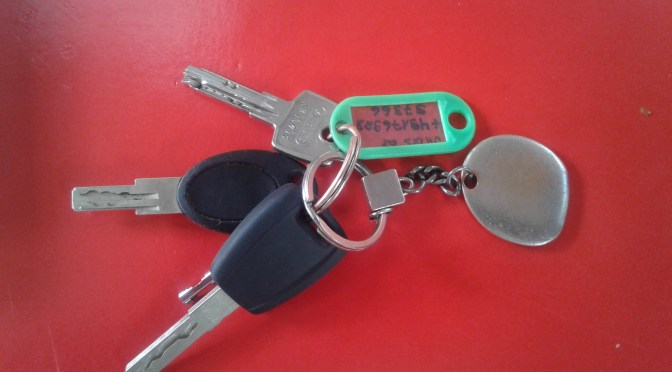

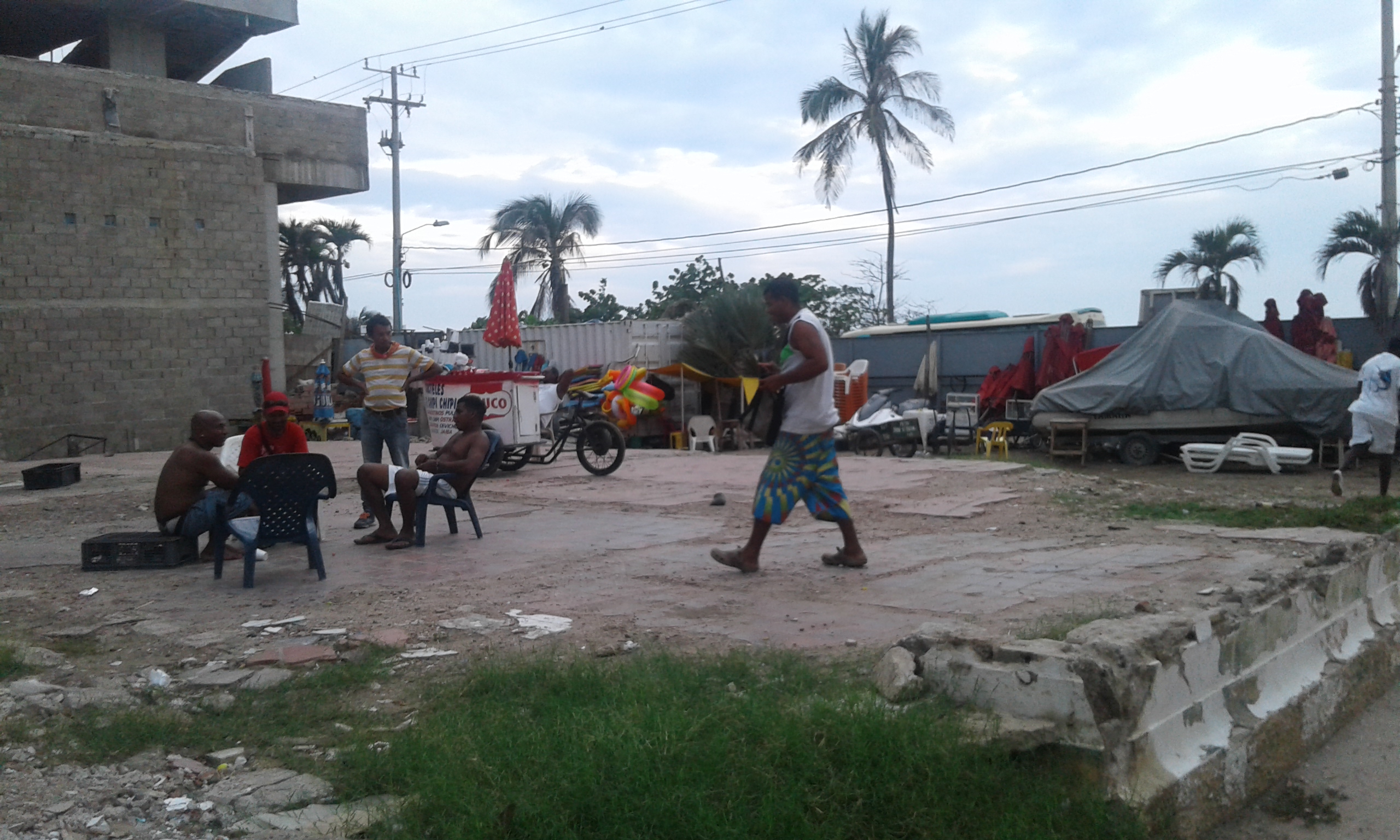
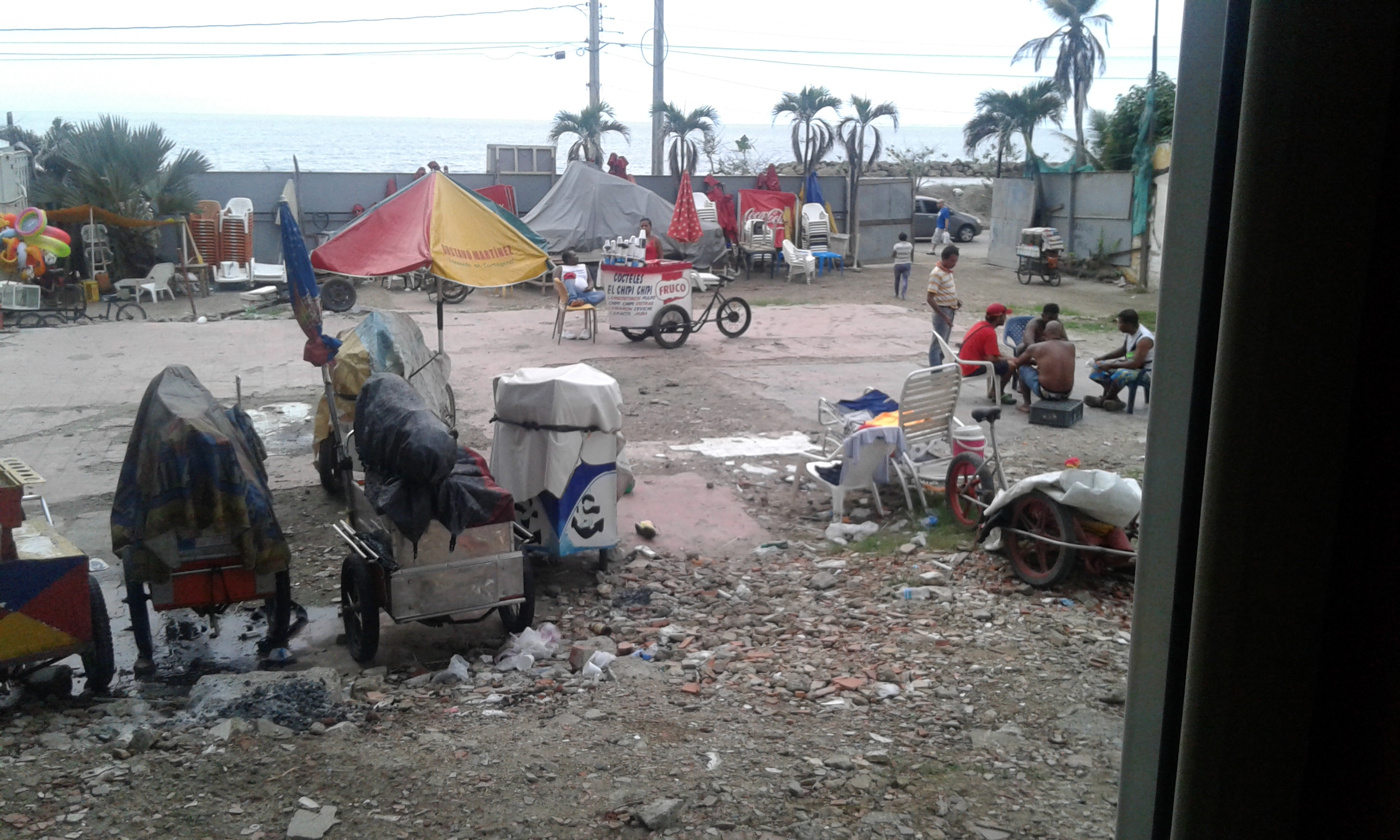
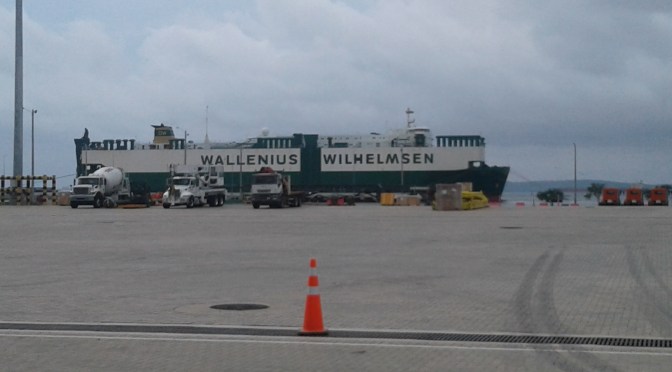


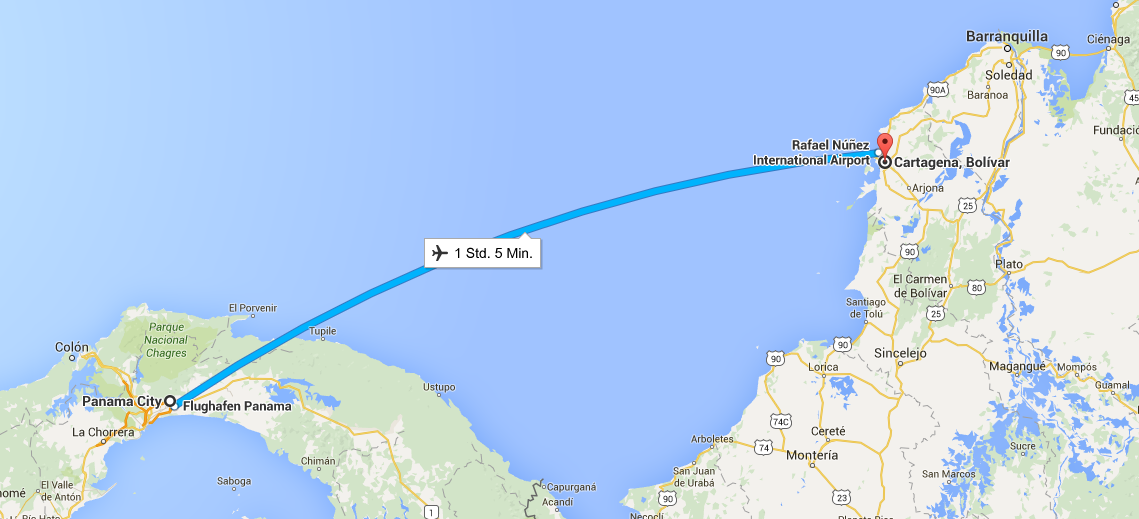
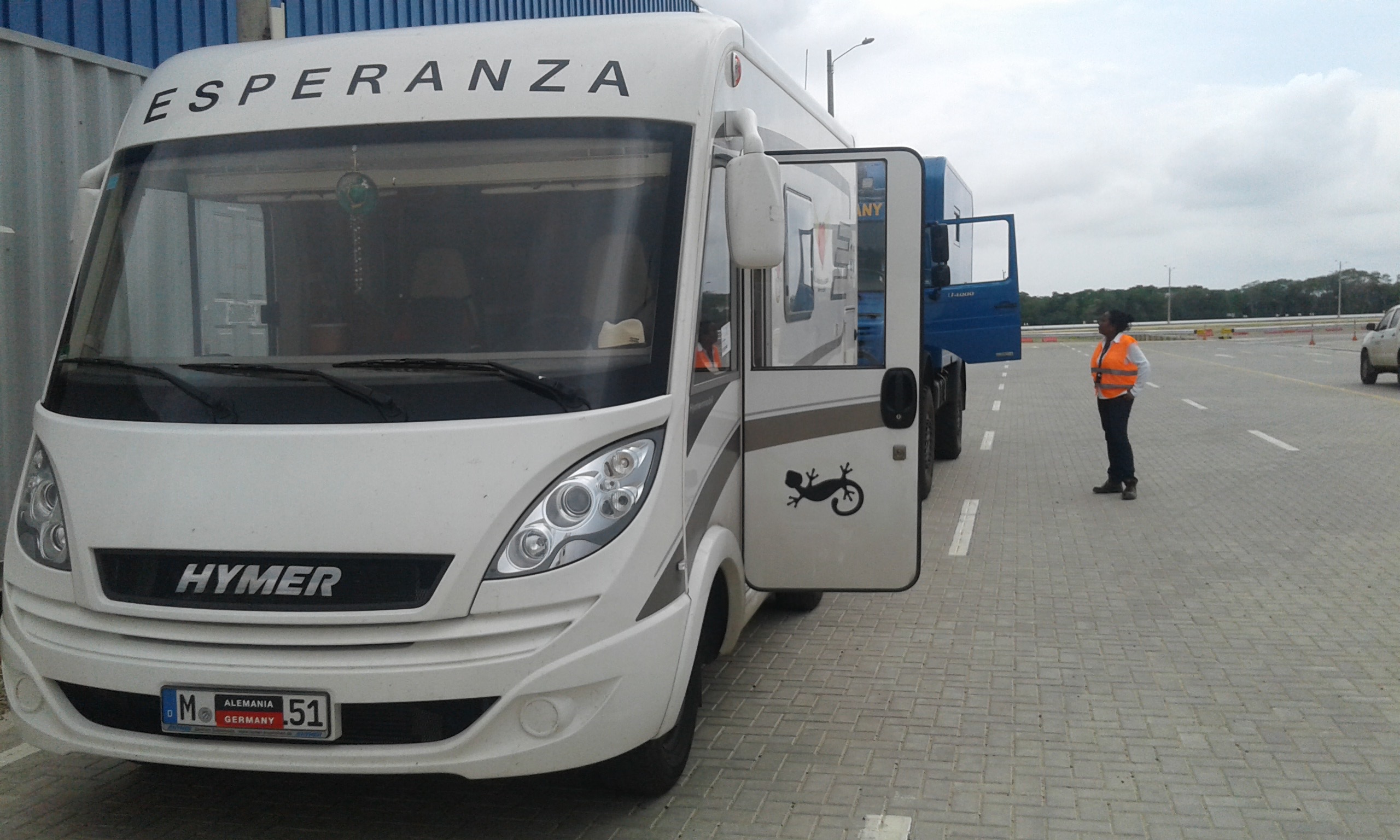


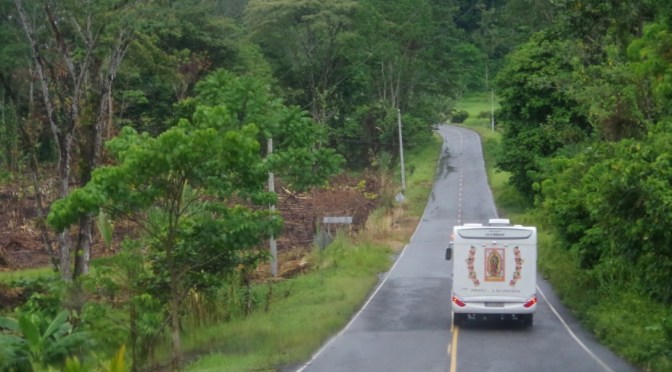
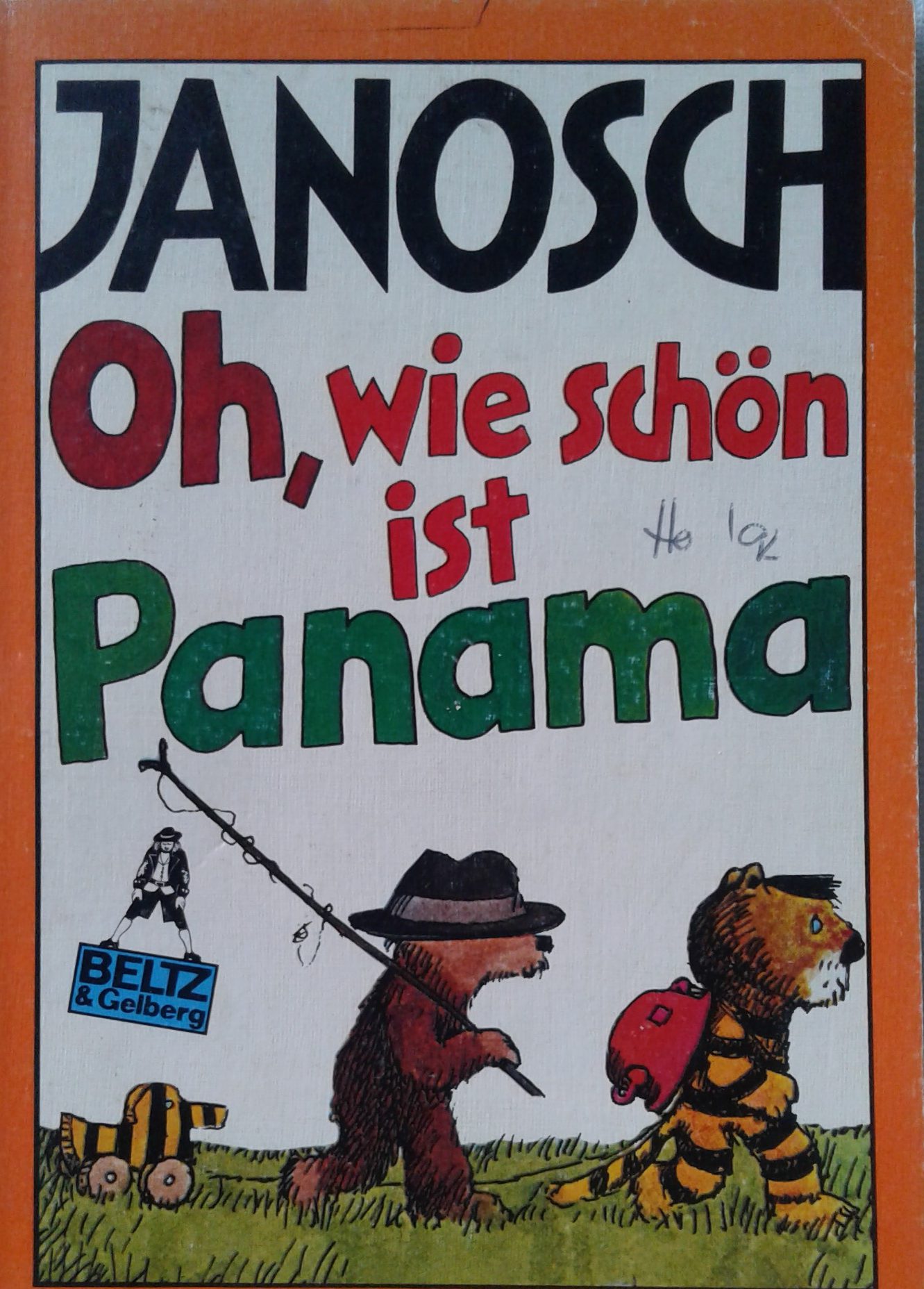
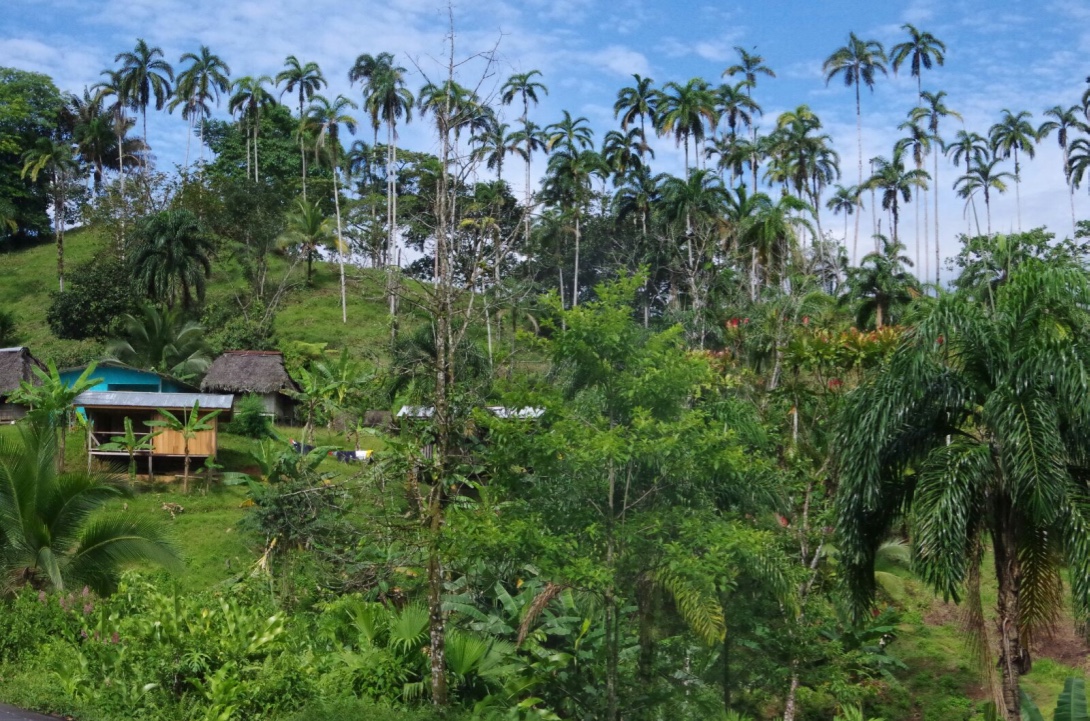
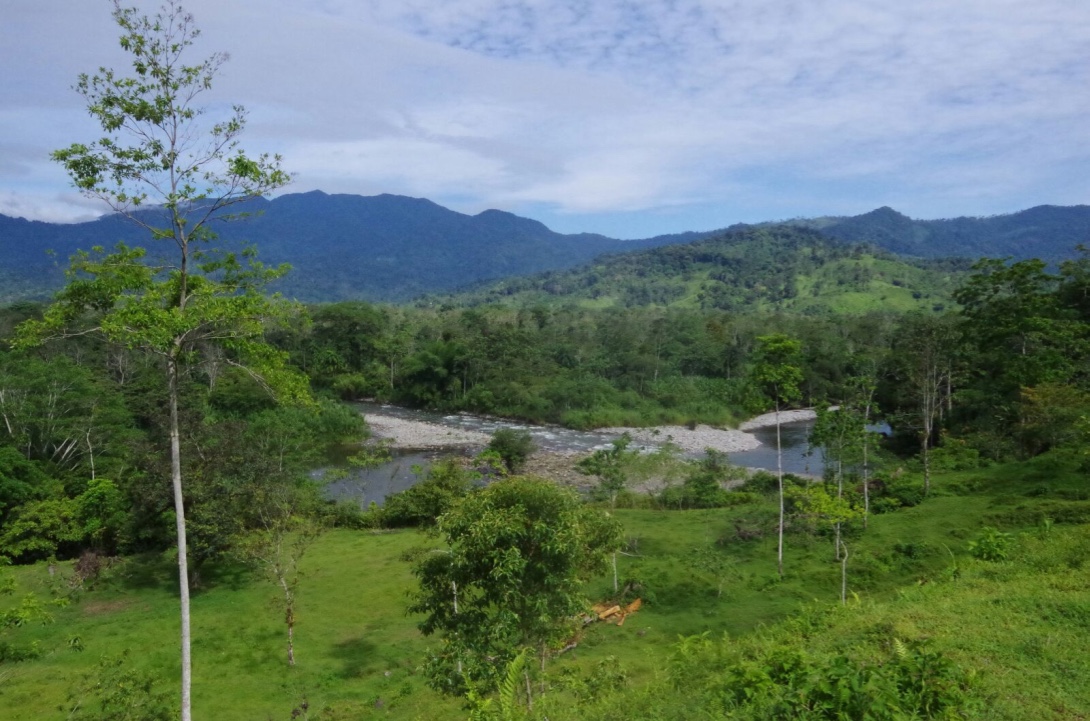
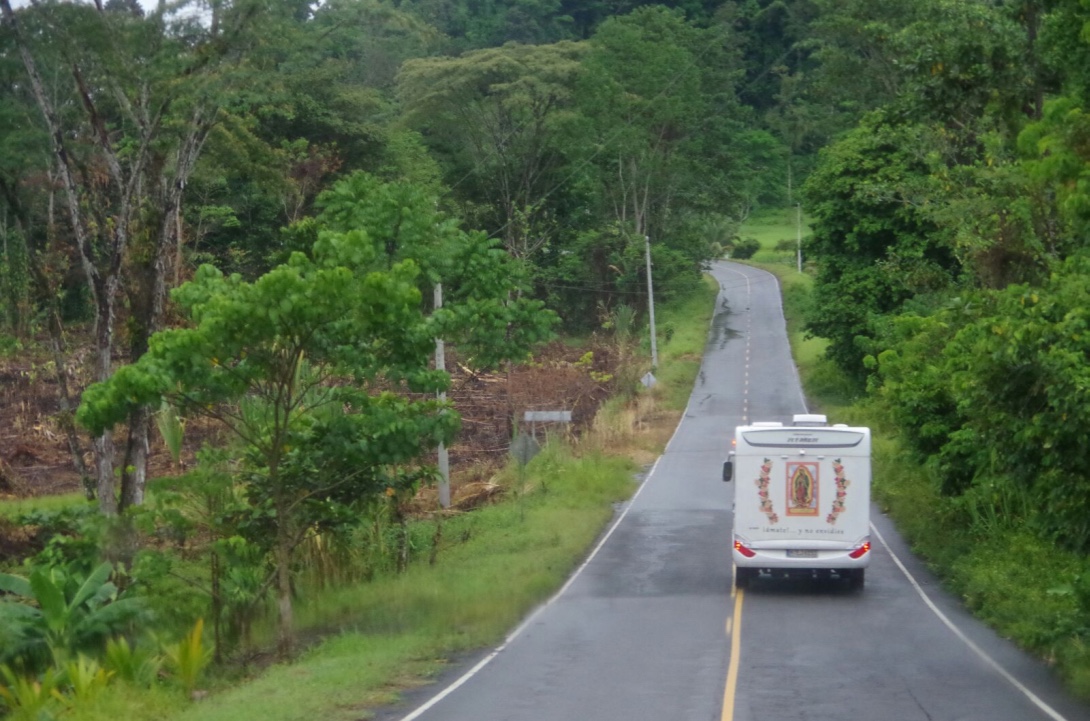
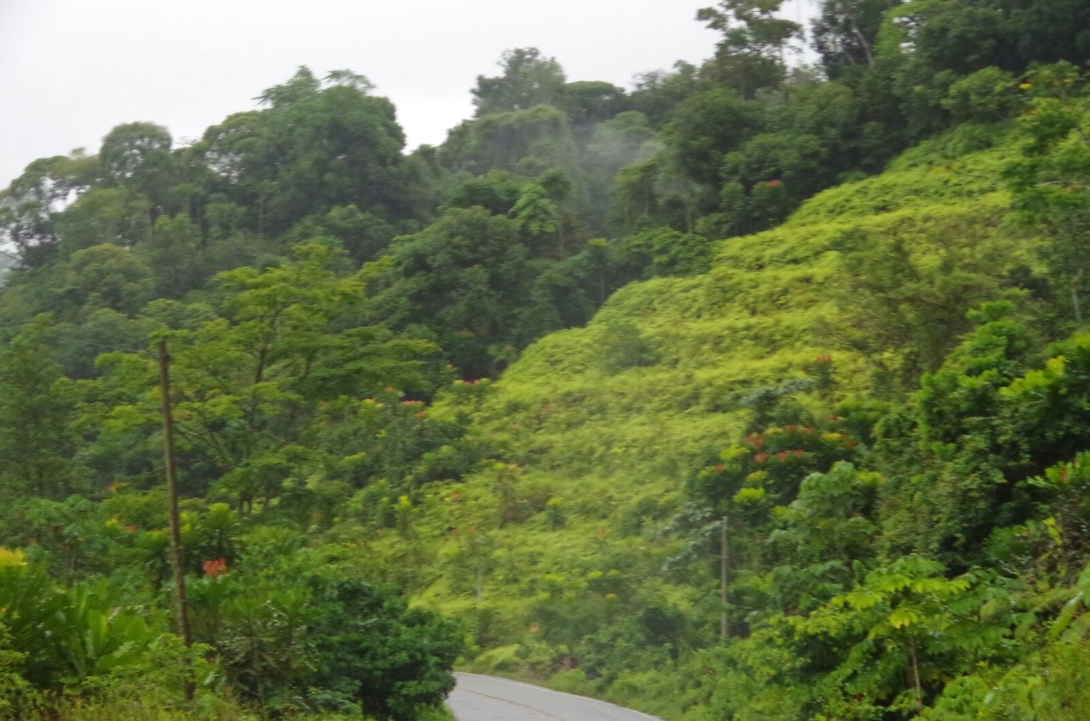
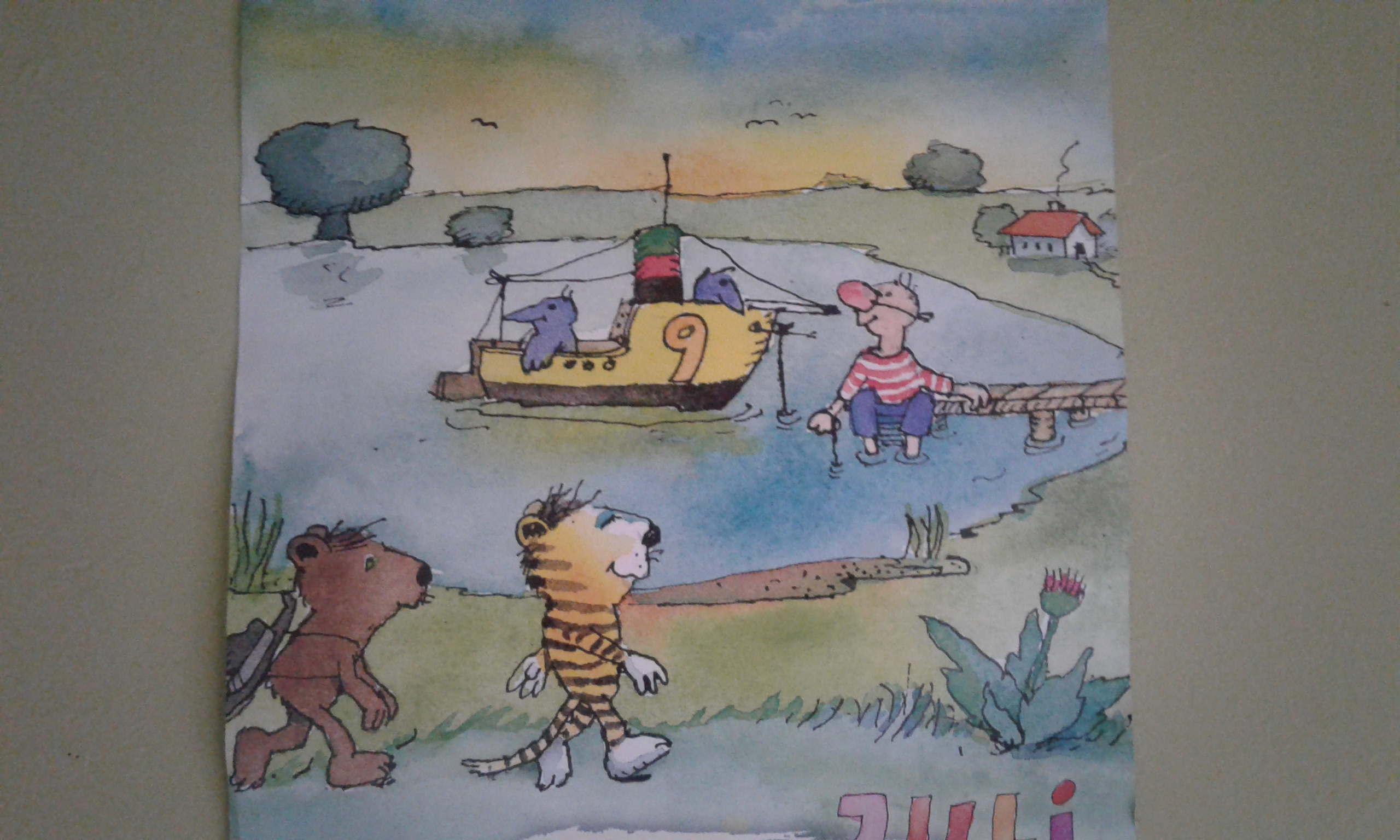


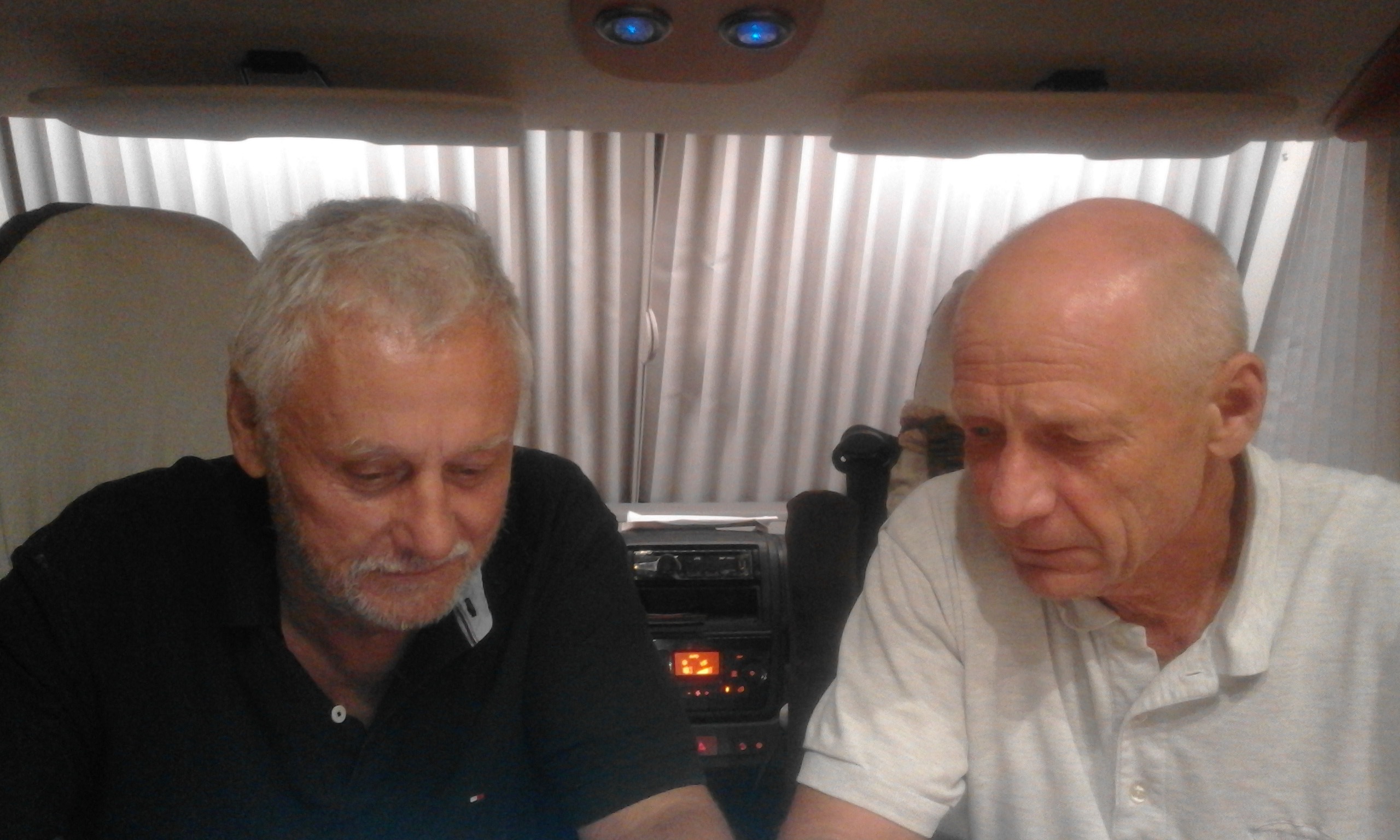

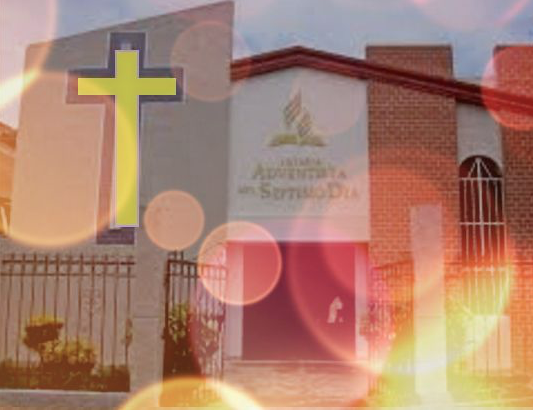
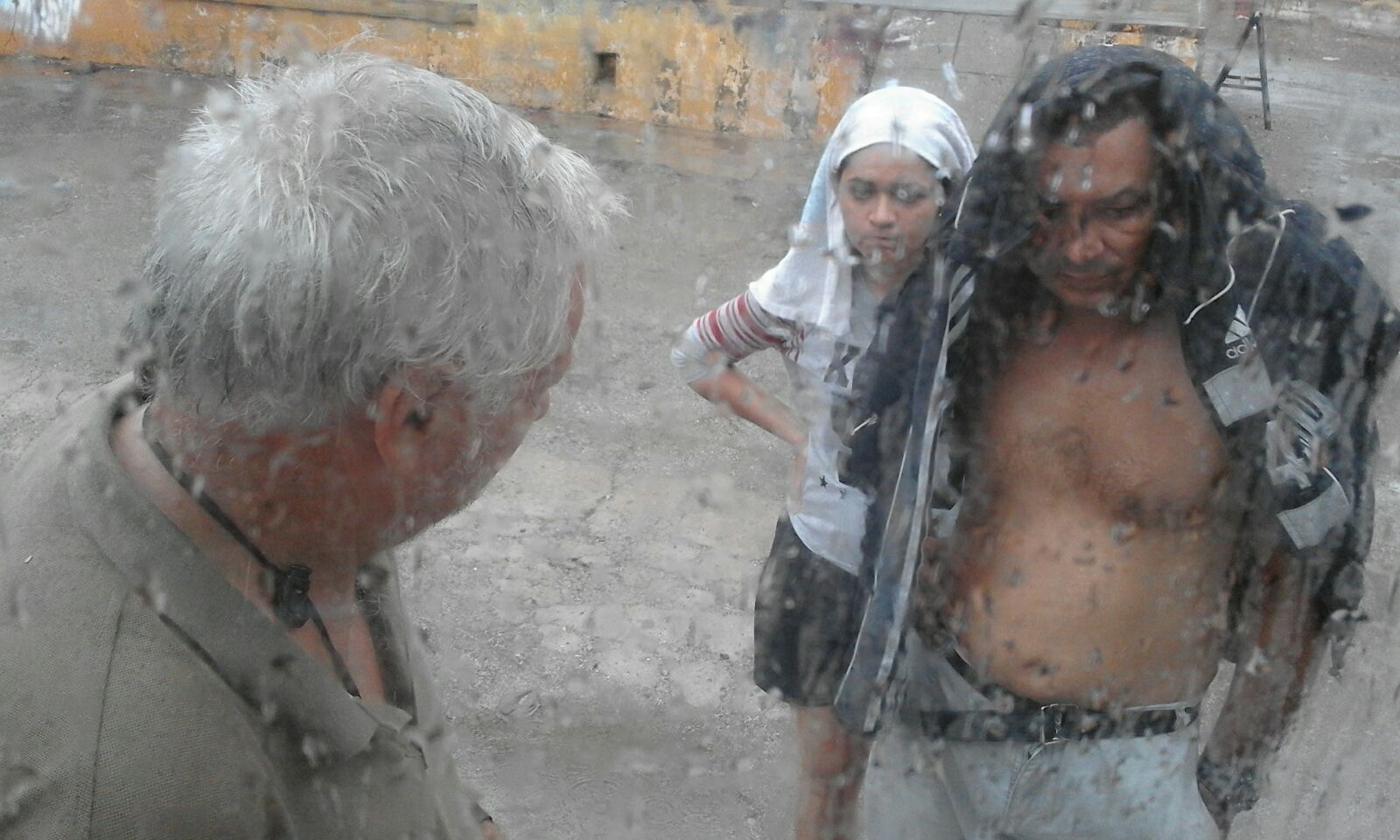
 Unterwegs in Europa, Amerika und Asien