Nochmal Glück gehabt

Deutsch – EspañolEnglish

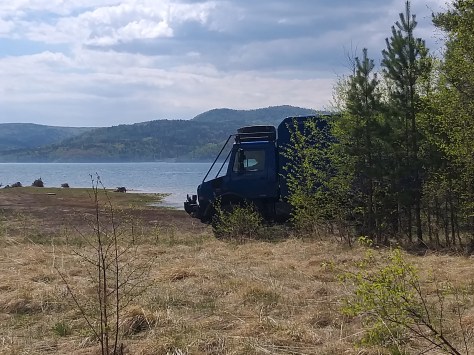
Wir sind gerade mal den ersten Tag Richtung Süden unterwegs, da passiert uns ein grober Fehler: Wir tanken – vorsichtshalber – noch einmal nach, bevor wir über eine anspruchsvolle Piste von der Hauptstrecke Richtung Baga Gazarin Chuluu abbiegen. Das ist eine exponierte felsige Region, in der ein verlassenes Kloster liegt. Horst und Helga, die schon einen Tag vor uns Ulan Bator abgereist sind, erwarten uns dort.

Natürlich tanken wir Diesel, weil wir ja ausdrücklich einen Diesel bestellt haben und kommen gar nicht auf den Gedanken, dass unser russischer UAZ Patriot etwas anderes benötigen könnte. Werner sitzt am Steuern und merkt schon bald, dass der Motor nicht so rund läuft wie bisher. Trotzdem fahren wir weiter. Wird schon klappen.

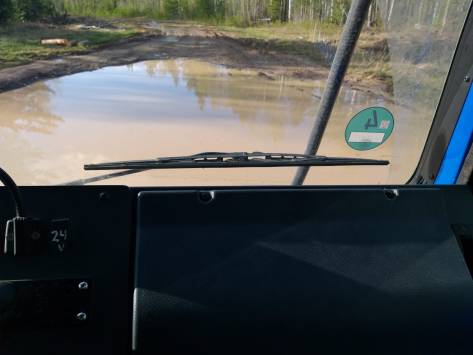
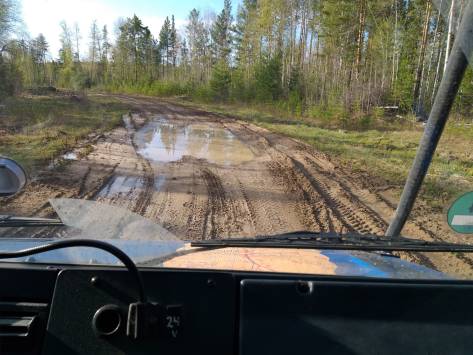
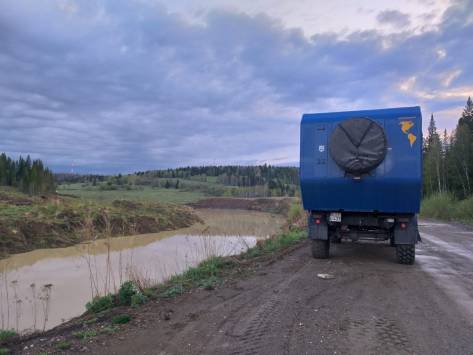
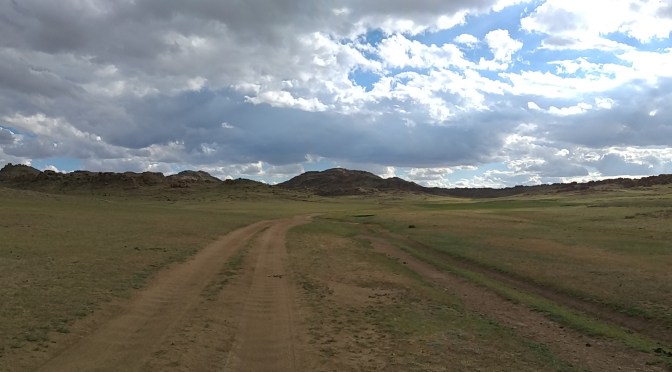
Die Piste ist vor allem auf dem letzten Stück extrem ruppig. Hier ein paar Aufnahmen aus dem Mog:

Wir selbst sind so auf die Herausforderungen der Strecke konzentriert, dass wir nicht ans Filmen denken.

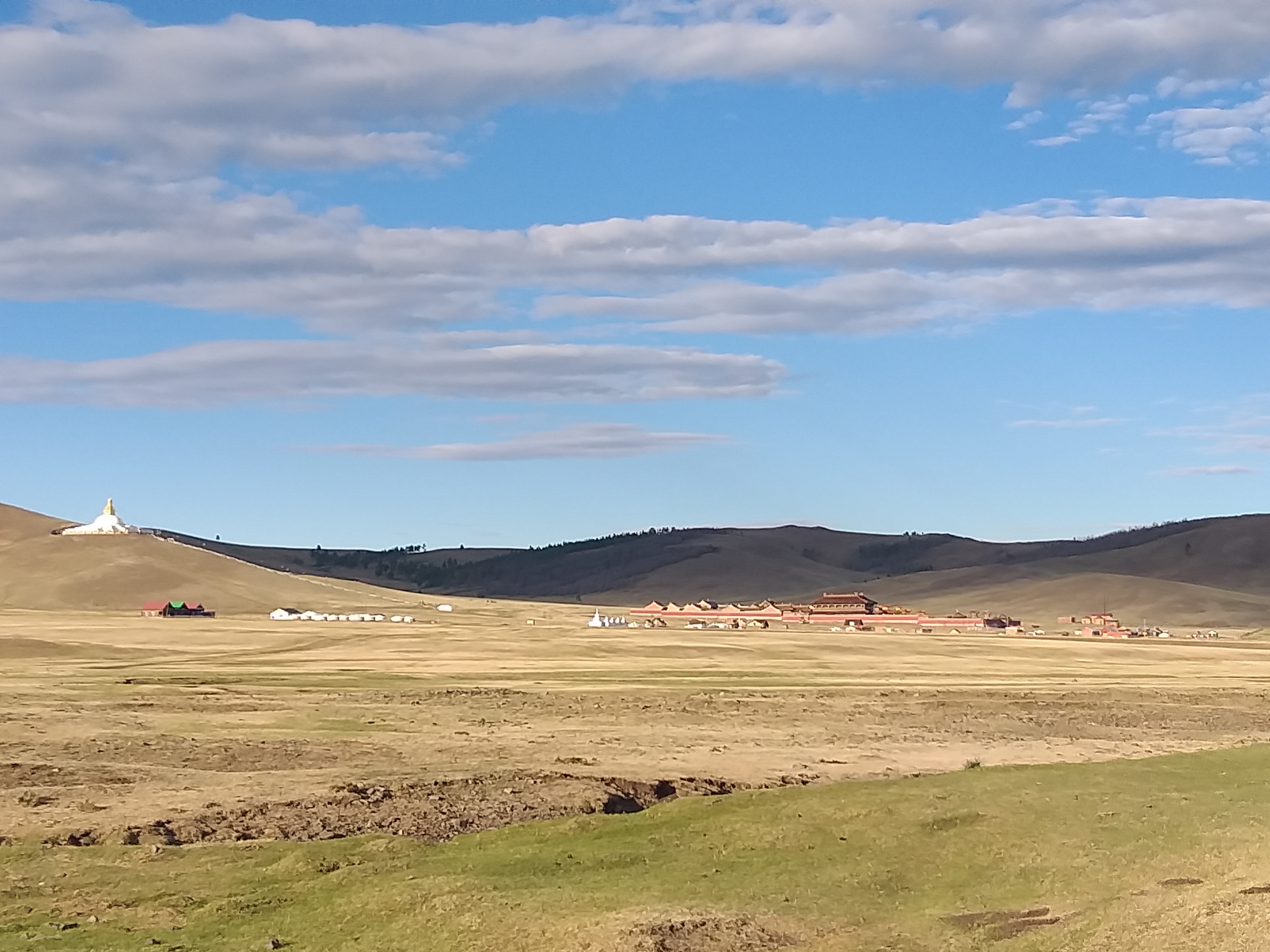
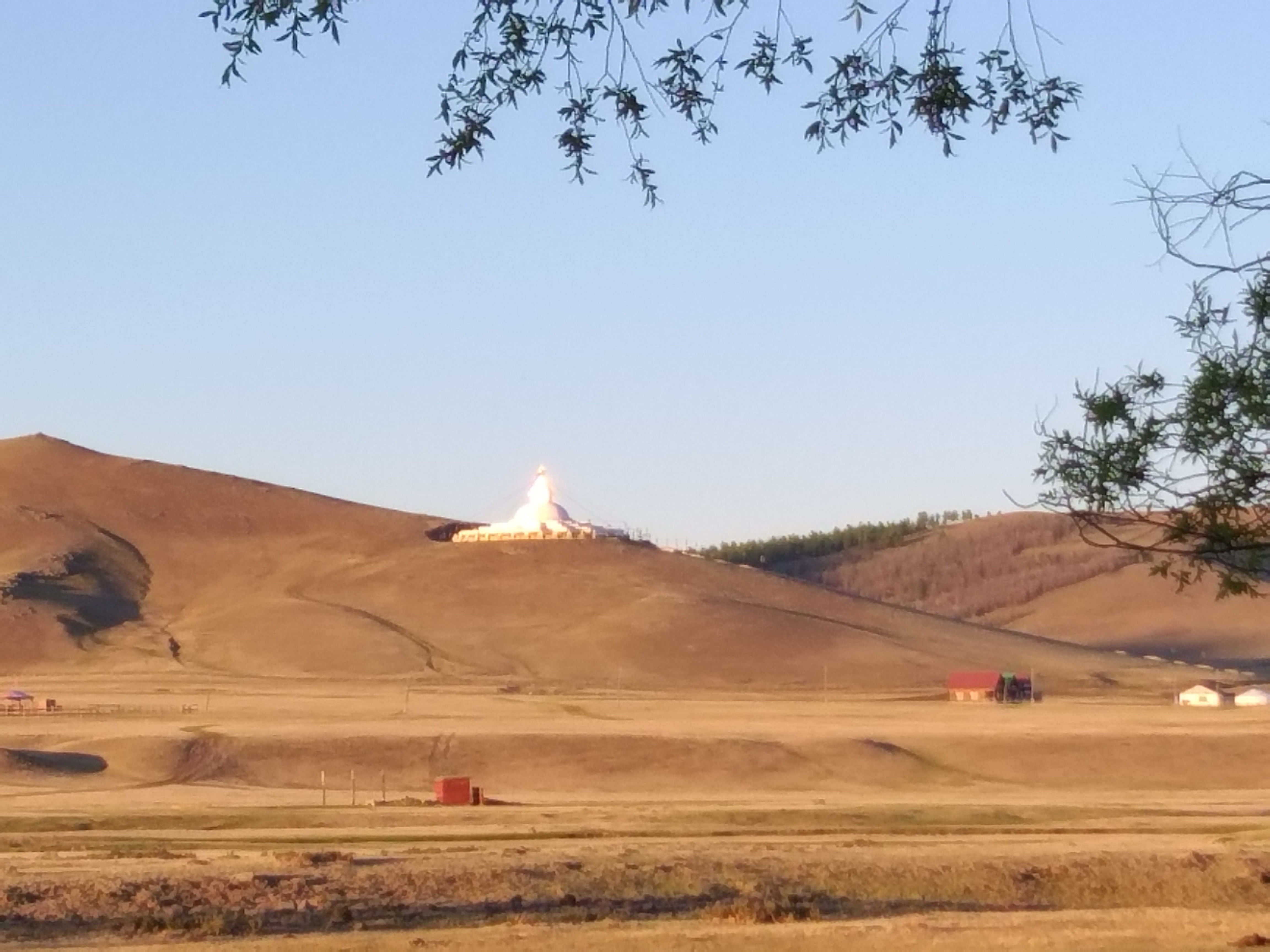
Als wir schließlich bei den Felsen ankommen, wo uns Horst und Helga freudig empfangen, ist uns klar, dass irgendetwas nicht mit dem Motor stimmt. Ziemlich unangenehm, denn wir sind jetzt weit von der Hauptstrecke entfernt. Wahrscheinlich – so denken wir – hat man uns an der letzten Tankstelle verunreinigtes Diesel verkauft und jetzt müssen wir irgendwie über die schwierige Piste dorthin zurück, um „gutes“ Diesel zu kaufen und unseren Tank zu füllen.

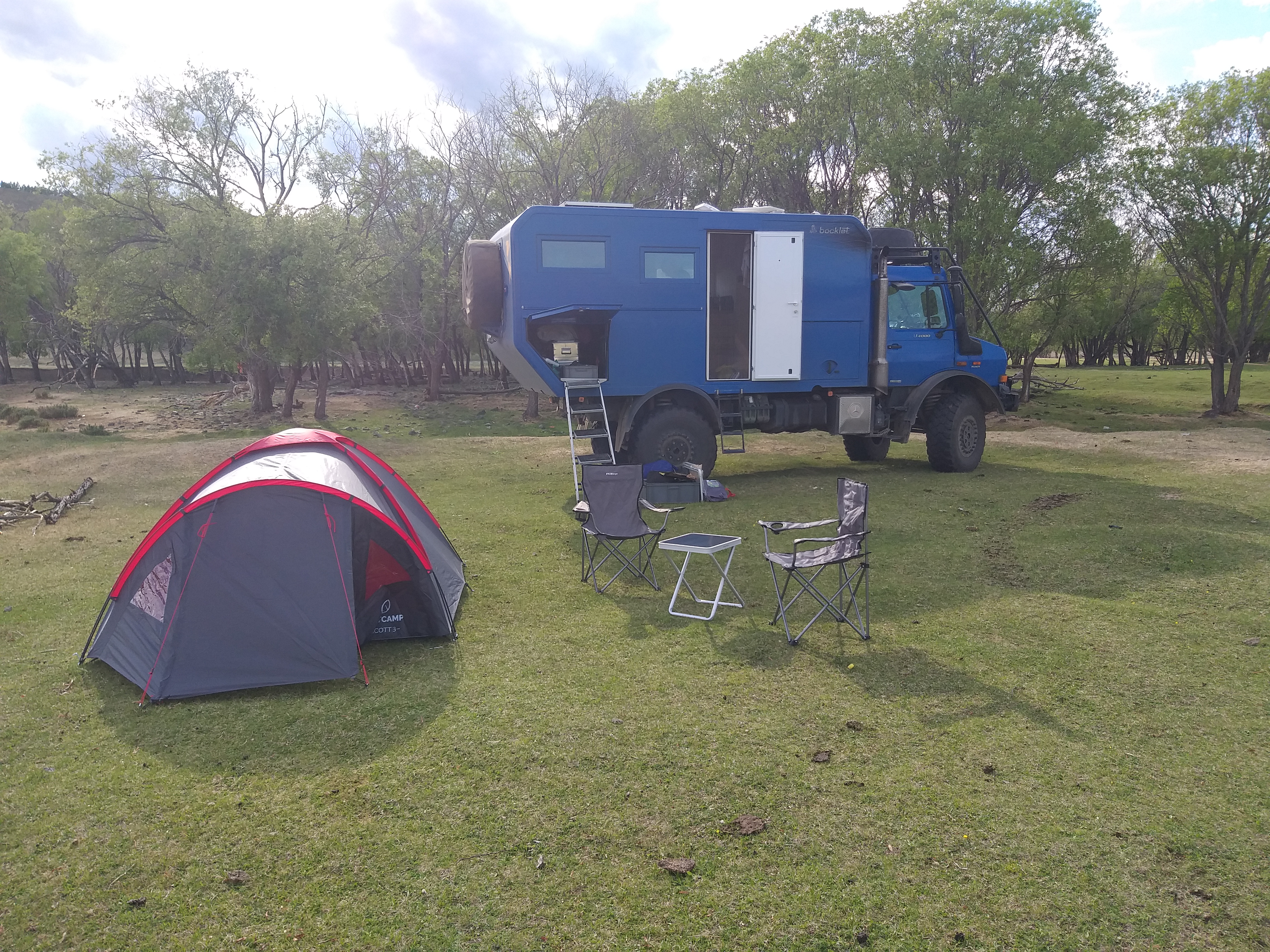
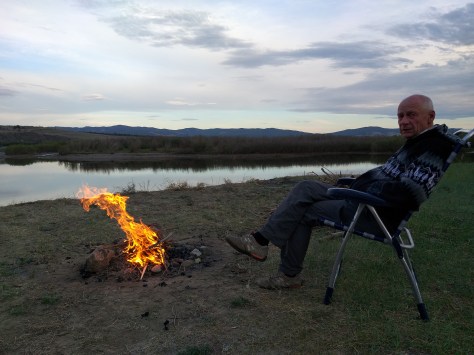
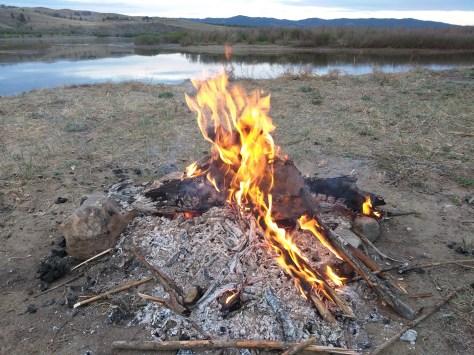
Noch immer ahnen wir nicht, dass unser Motorproblem nichts mit der Dieselqualität zu tun hat, sondern mit dem falschen Treibstoff und verbringen Helga und Horst einen schönen Abend am Lagerfeuer:

20190618_213424

Nachts kann ich wegen unserer technischen Probleme nicht gut schlafen und denke immer wieder drüber nach, ob unser Motor wirklich nur deswegen so heftig muckt, weil er zwanzig Liter schlechtes Diesel bekommen hat. Da wir ja noch doppelt soviel Diesel im Tank hatten, kommt mir das irgendwie nicht sehr überzeugend vor. Was, wenn ein viel schlimmeres Problem vorliegt, wenn das Auto ein Benziner ist?

Am nächsten Morgen schauen wir im Tankdeckel nach, versuchen die mongolische Betriebsanleitung zu lesen und sind schließlich sicher: Wir haben unseren Benziner mit Diesel betankt. Eine mittlere Katastrophe. Guter Rat ist teuer. Es scheint nur eine realistische Lösung zu geben, nämlich den Tank komplett zu leeren und mit Benzin zu füllen. Wir hoffen, dass das irgendwie zu schaffen ist und der Motor noch keinen größeren Schaden erlitten hat

Als erstes machen sich Horst und Werner im Mog auf die beschwerliche Fahrt, um Benzin und einen Schlauch zu besorgen. Nach ein paar Stunden sind sie zurück. Kurz danach kommen andere Traveller nach, die wir schon aus Ulan Bator kennen. Sie haben in der Nähe übernachtet und von Horst und Werner von unserem Pech gehört. Ohne die Hilfe von Janine und Tobias (die wie gelernte Mechaniker an die Sache gehen) sowie Lutz (der alles Werkzeug dabei hat) und seiner Connie, die immer für gute Laune sorgt, wären wir wohl kläglich gescheitert.

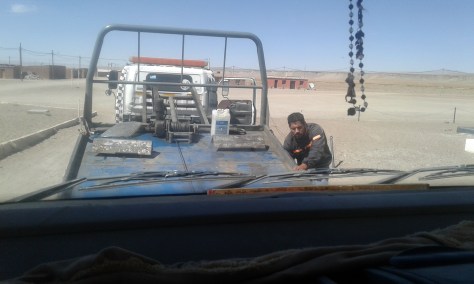
Dann beginnt der Versuch, den Tank vom restlichen Treibstoffgemisch zu befreien. Das ist leichter gesagt als getan und dauert Stunden: Der Schlauch, den Horst und Werner mitgebracht haben, passt nicht in den Tankstutzen. Ein dünnerer Schlauch, den Lutz dabei hat, reicht nicht weit genug in den Tank, weil die Tankleitung zu stark gekrümmt ist. Von unten kommen wir nicht an den Tank, weil er von einem Bodenblech geschützt wird. Es bleibt kein anderer Weg, als dieses Blech komplett abzumontieren. Dann endlich können wir die freigelegte Tankleitung abklemmen und unseren Schlauch direkt in den Tank einführen. Als endlich das restliche Treibstoffgemisch aus dem Tank in den bereitgestellten Kanister abfließt, sind wir sehr erleichtert.

Nachdem der Tank mit Benzin gefüllt ist, schieben wir ihn über die leicht geneigte Wiesenfläche an und hoffen alle, dass er anspringt. Horst sitzt am Steuer und wir verfolgen mit gebanntem Blick den langsam rollenden und hustenden Patriot, der einfach nicht anspringen will. Als wir alle schon fast aufgegeben haben, hören wir plötzlich das typische Geräusch von ein, zwei, drei Zündungen und – tatsächlich – der Motor läuft und fährt plötzlich wieder aus eigener Kraft.

Was für ein Glück!

Español

Otra vez afortunado

Nos dirigimos desde Ulan Bator hacia el sur el primer día, cuando cometemos un gran error: repostamos, como medida de precaución, nuevamente, antes de desviarnos en una pista difícil desde la línea principal hasta Baga Gazarin Chuluu. Esta es una región rocosa expuesta con un monasterio abandonado. Horst y Helga, que dejaron a Ulan Bator un día antes que nosotros, nos están esperando allí.

Por supuesto, repostamos diesel, porque hemos pedido un diesel con la compania de autos alquilados y ni siquiera pensamos que nuestro UAZ Patriot de Russia podría necesitar algo diferente. Werner está detrás del volante y pronto se da cuenta de que el motor no está funcionando tan bien como antes. Sin embargo, seguimos. Trabajará, – pensamos.

La pista es extremadamente áspera, especialmente en la última parte. Aquí hay algunas tomas desde el Mog:

Nosotros estamos tan concentrados en los desafíos de la pista que no pensamos en filmar.

Cuando finalmente llegamos a las rocas, donde Horst y Helga nos saludan alegremente, nos damos cuenta de que algo está mal con el motor. Bastante incómodo, porque ahora estamos lejos de la línea principal, donde podríamos conseguir ayuda. Probablemente, así pensamos, nos vendieron diesel contaminado en la última gasolinera.

Todavía no entendemos que nuestro problema con el motor no tiene que ver nada con la calidad de diesel pero con el combustible incorrecto que hemos echado. Y así pasamos una agradable velada con Horst y Helga alrededor de una fogata:

20190618_213424

Por la noche no puedo dormir bien debido a nuestros problemas técnicos y pienso en ello una y otra vez. Me pregunto si puede ser, que nuestro motor realmente tiene tantos problemas, solo porque echamos veinte litros de diesel defectuoso, ya que teníamos el doble de petróleo todavía en el tanque. Eso no me parece muy convincente. ¿Qué pasa si existe un problema mucho peor, si el automóvil es un motor de gasolina? A la mañana siguiente, buscamos en la tapa de la gasolina, tratamos de leer las instrucciones en idioma Mongolia y finalmente estamos seguros: Hemos alimentado nuestro tanque de gasolina con diesel. Un desastre malo. Un buen consejo es caro. Parece que solo hay una solución realista, vaciar completamente el tanque y llenarlo con gasolina. Esperamos que esto sea posible de una u otra manera y que el motor no haya sufrido todavía ningún daño importante.

Primero, Horst y Werner hacen el difícil viaje en el Mog para conseguir gasolina y una manguera para sacar el combustible, que queda en el tanque. Después de unas horas están de vuelta. Poco después, otros viajeros vienen, ya lo sabemos por Ulan Bator. Se quedaron cerca y escucharon de Horst y Werner sobre nuestra mala suerte.

Sin la ayuda de Janine y Tobias (que son mecánicos capacitados) y Lutz (que tiene todas las herramientas con él) y su Connie, que siempre está de buen humor, probablemente hubiéramos fracasado estrepitosamente. Luego comienza el intento de deshacerse del tanque de la mezcla de combustible restante. Esto es más fácil decirlo que hacerlo y lleva horas: la manguera que trajeron Horst y Werner no encaja en el cuello de llenado. Una manguera más delgada que Lutz tiene con él no llega lo suficiente al tanque porque la línea del tanque es demasiado curva. Desde abajo, no llegamos al tanque porque está protegido por un panel de metal. No hay otra manera que desmantelar esta hoja completamente. Entonces, finalmente, podemos desconectar la línea del tanque expuesta e insertar nuestra manguera directamente en el tanque. Cuando finalmente la mezcla de combustible restante del tanque fluye hacia el recipiente, estamos muy aliviados.

Una vez que el tanque está lleno de gasolina, empujamos el auto sobre el área del prado ligeramente inclinada y esperamos que arranque el motor. Horst está detrás del volante y estamos observando al Patriot, que está rodando lentamente y tosiendo, pero simplemente no quiere arrancar. Cuando casi todos nos hemos rendido, de repente escuchamos el ruido típico de uno, dos, tres encendidos y, de hecho, el motor está en marcha y de repente vuelve a funcionar por sí solo.

Que suerte

English

Again lucky

We are just heading south from Ulan Bator for the first day, when we make a big mistake: we refuel – as a precaution – again, before we turn off on a challenging track from the main line to Baga Gazarin Chuluu. This is an exposed rocky region with an abandoned monastery. Horst and Helga, who left Ulan Bator one day before us, are waiting for us there.

Of course we refuel diesel, because we have ordered a diesel and do not even think that our Russian UAZ Patriot could need anything else. Werner sits at the steering wheel and soon realizes that the engine is not running as smoothly as before. Nevertheless, we continue. It will work, we think.

The track is extremely rough, especially on the last part. Here are some pictures taken from the Mog:

We ourselves are so focused on the challenges of the track that we do not even think of filming our ride. When we finally arrive at the rocks, where Horst and Helga greet us joyfully, we realize that something is wrong with the engine. Pretty uncomfortable, because we are now far away from the main road. Probably – so we think – we were sold contaminated diesel at the last gas station and now we don’t know how to get back to the main road on the difficult track in order to get „good“ diesel and fill our tank.

We still do not understand that our engine problem has nothing to do with the diesel quality, but with the wrong fuel we filled in at the last gas station. And so we spend a nice evening around the campfire with Horst and Helga:

20190618_213424

But during the night I can not sleep well because of our technical problems and think about it over and over again. Is it really possible that our engine reacts so violently, only because we refueled it with twenty liters of “bad” diesel. Since we had twice as much “good” fuel in the tank, that does not seem to me very convincing. What if a much worse problem exists, if the car has a gasoline engine? The next morning we look in the gas cap, try to read the Mongolian instructions and are finally sure: We have fueled our car with diesel. A mean disaster. Good advice is expensive. There seems to be only one realistic solution, namely to completely empty the tank and fill it with petrol. We hope that this is somehow possible and the engine has not suffered any major damage.

First, Horst and Werner set off on the difficult journey in the Mog to get petrol and a hose. After a few hours they are back. Shortly thereafter, other travelers come, who we already know from Ulan Bator. They stayed overnight nearby and heard from Horst and Werner about our bad luck.

Without the help of Janine and Tobias (who worked like trained mechanics) and Lutz (who had all the necessary tools with him) and his Connie, who is always in a good mood, we would probably have failed miserably.

Then begins the attempt to rid the tank of the remaining fuel mixture. This is easier said than done and takes hours: The hose that Horst and Werner brought with them does not fit into the filler neck. A thinner hose that Lutz has with him does not reach far enough into the tank because the tank line is too curved. From below, we do not reach the tank because it is protected by a floor panel. There is no other way than to dismantle this sheet completely. Then finally we can disconnect the exposed tank line and insert our hose directly into the tank. When finally the remaining fuel mixture from the tank flows into the canister, we are very relieved.

After the tank is filled with gasoline, we push it over the slightly sloping meadow area and everyone hopes that he starts. Horst is behind the wheel and we are watching the slowly rolling and coughing Patriot, who simply does not want to start. When we’ve all almost given up, we suddenly hear the typical noise of one, two, three ignitions and – in fact – the engine is running again and suddenly back on its own.

What luck!
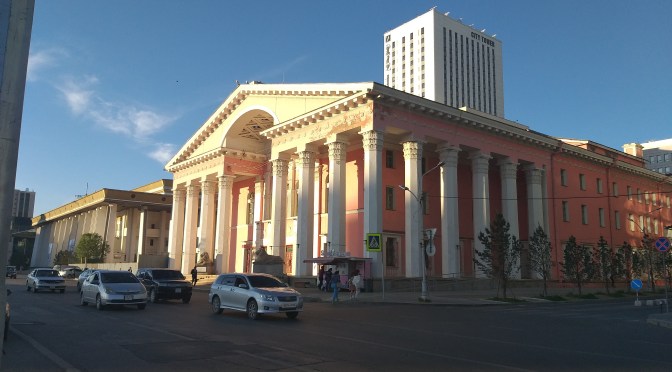


Ulan Bator

Deutsch – EspañolEnglish

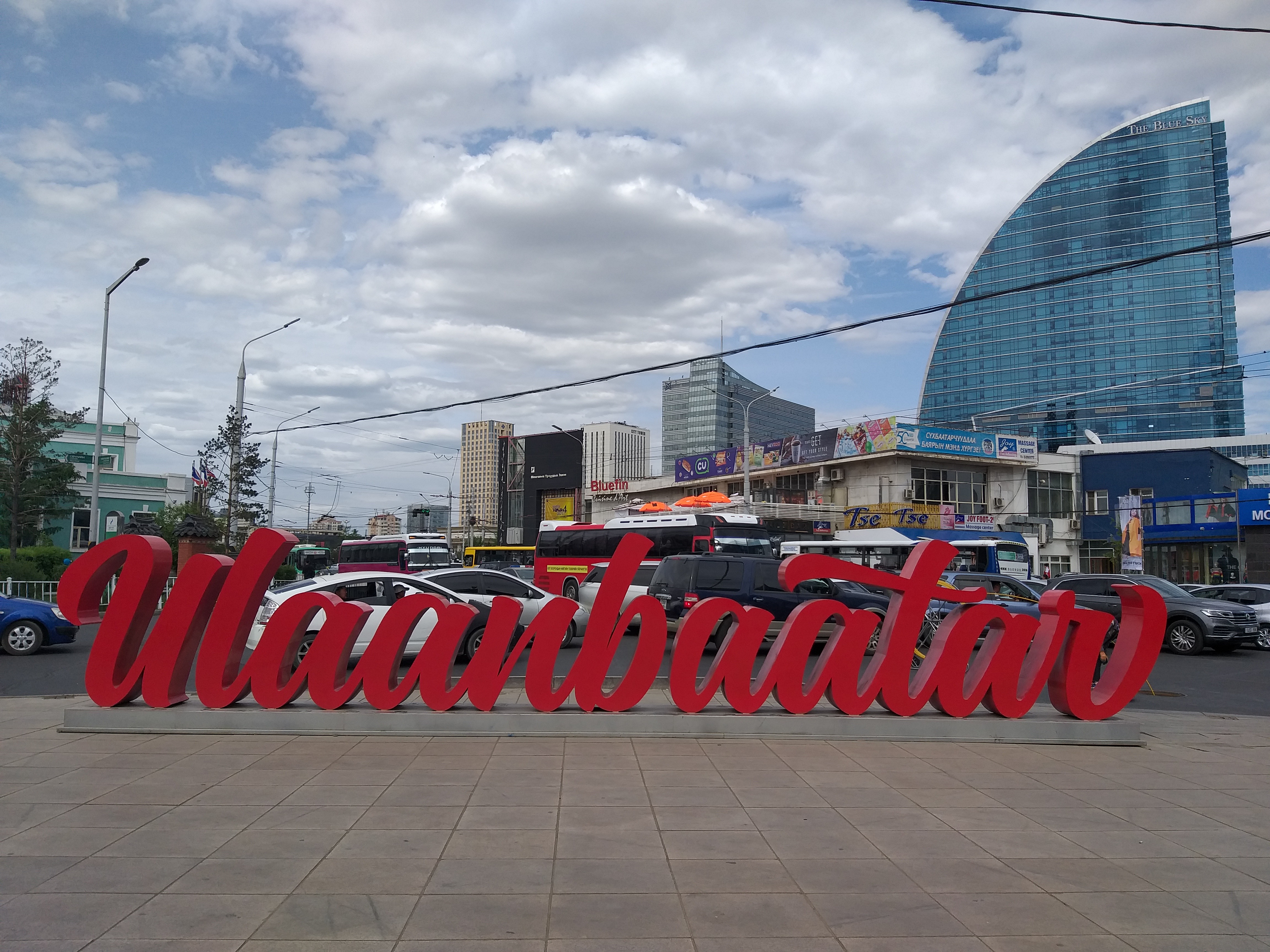
Die Hauptstadt der Mongolei heißt in der Landessprache UlaanBaatar:

20190614_154916

Die Stadt überrascht mich: Sie ist – zumindest im Zentrum – modern, sehr westlich orientiert und voller Leben:

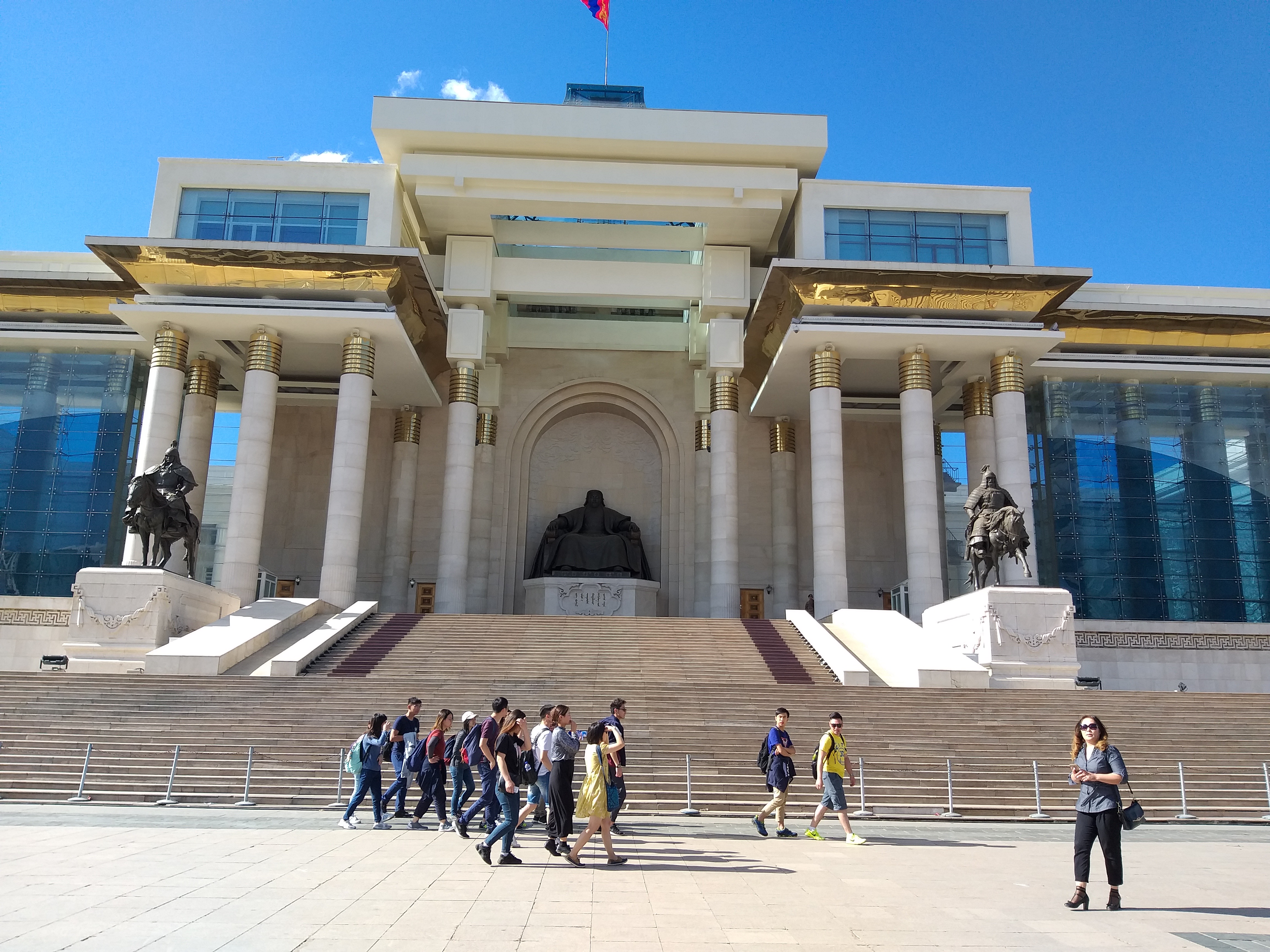
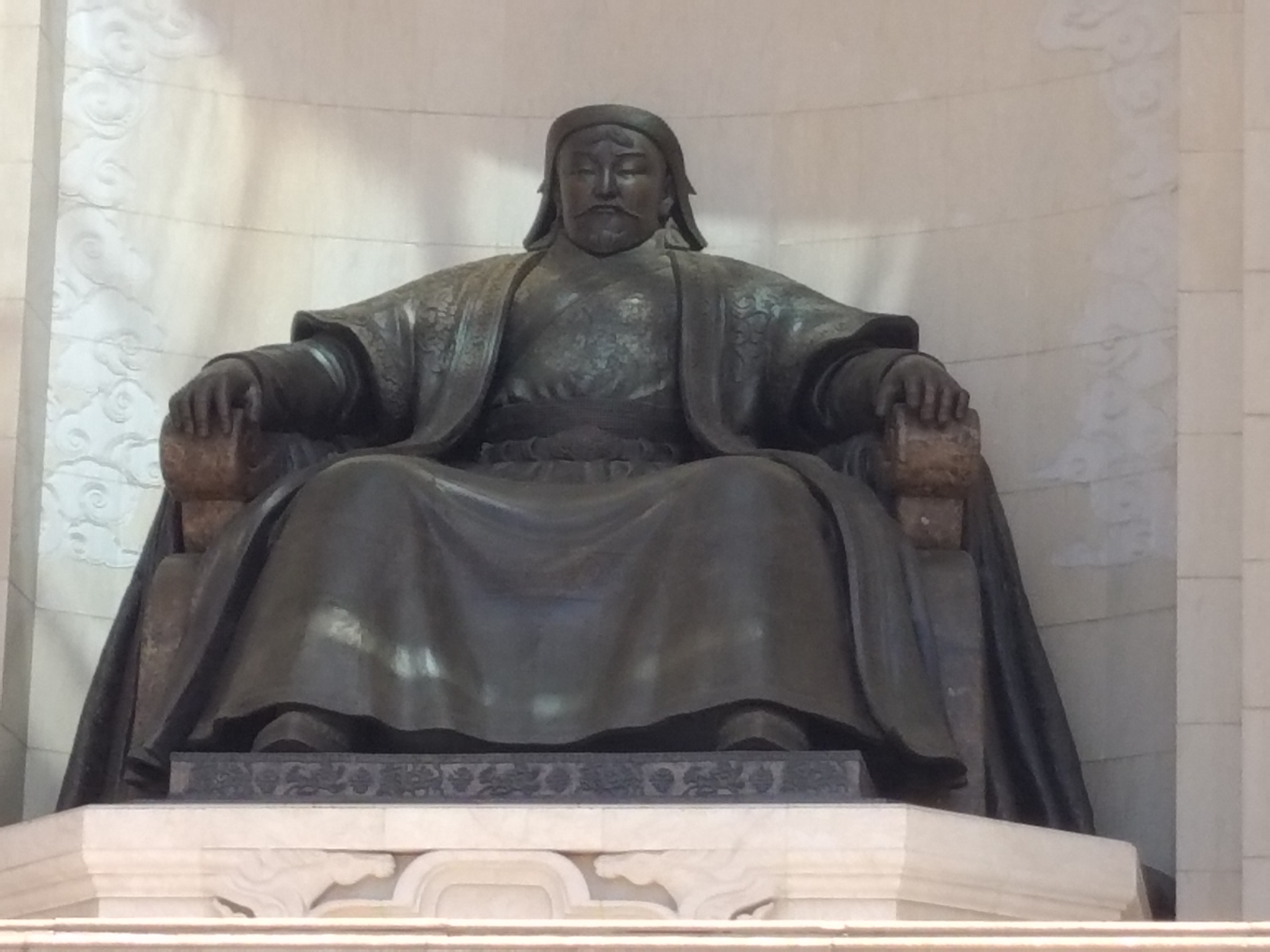
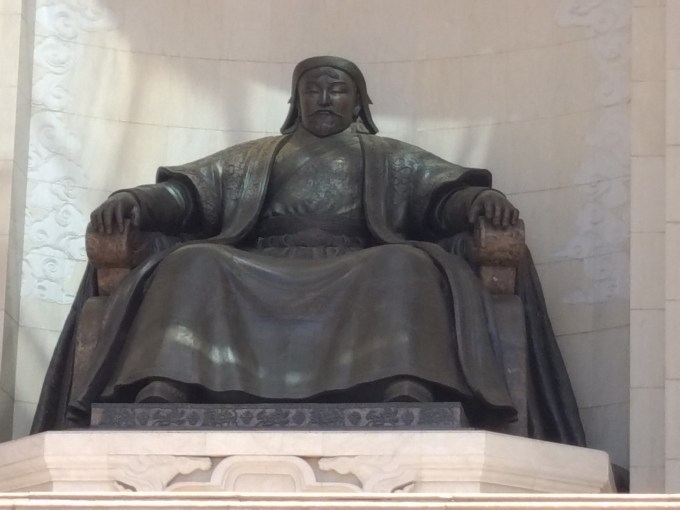
Besonders beeindruckend das Regierungsgebäude mit einer imposanten Statue von Dschingis Khan:

20190612_165553

20190614_115208

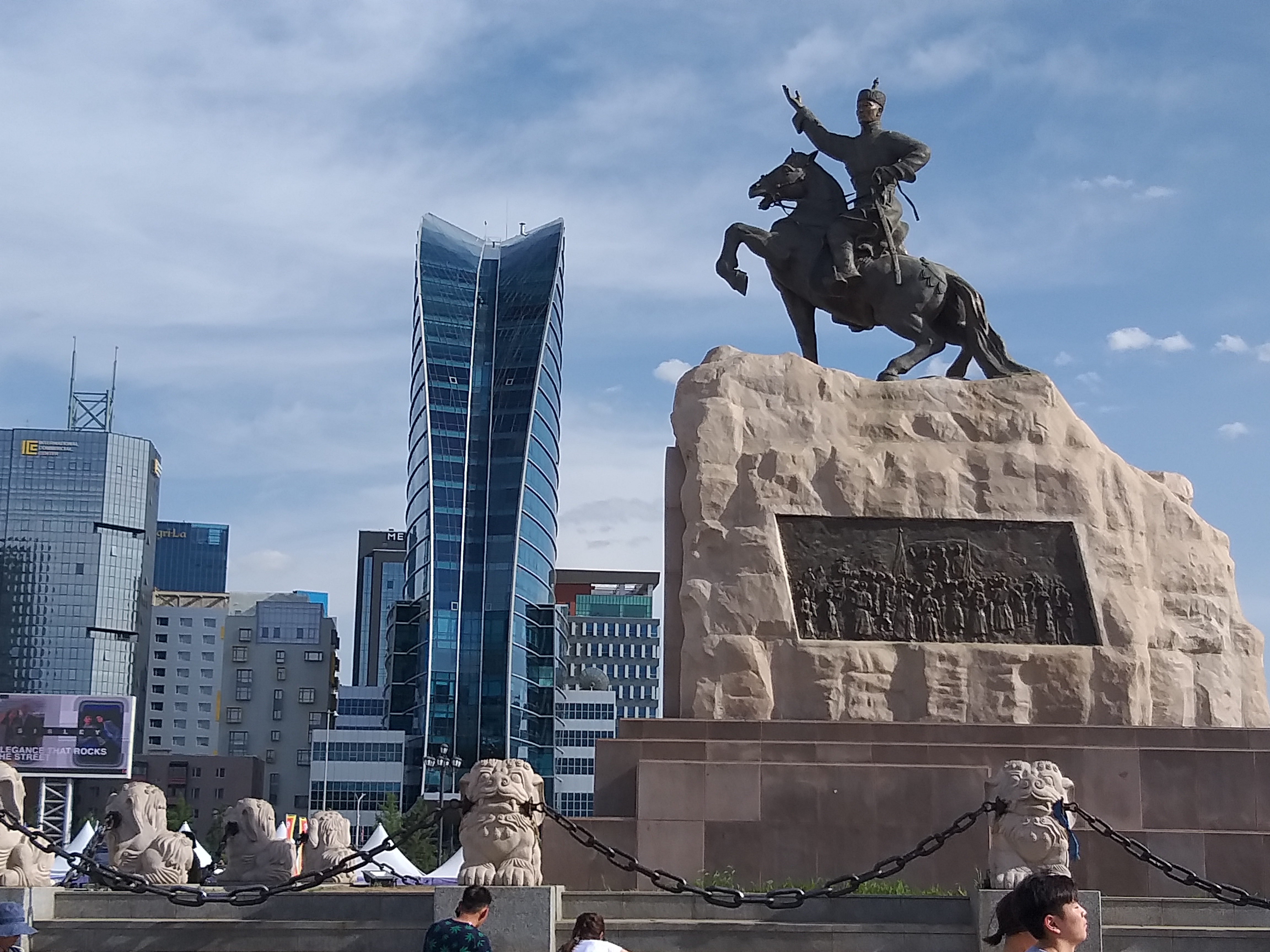
Gleich gegenüber von dieser beeindruckenden Gestalt steht die Reiterstatue des Gründers der modernen Mongolei, Sukhbataar:

20190613_171817

Zwischen den beiden gewichtigen Herren findet gerade eine Folklore-Veranstaltung statt; ich bin beeindruckt von den farbenfrohen Trachten und der intensiven Musik:

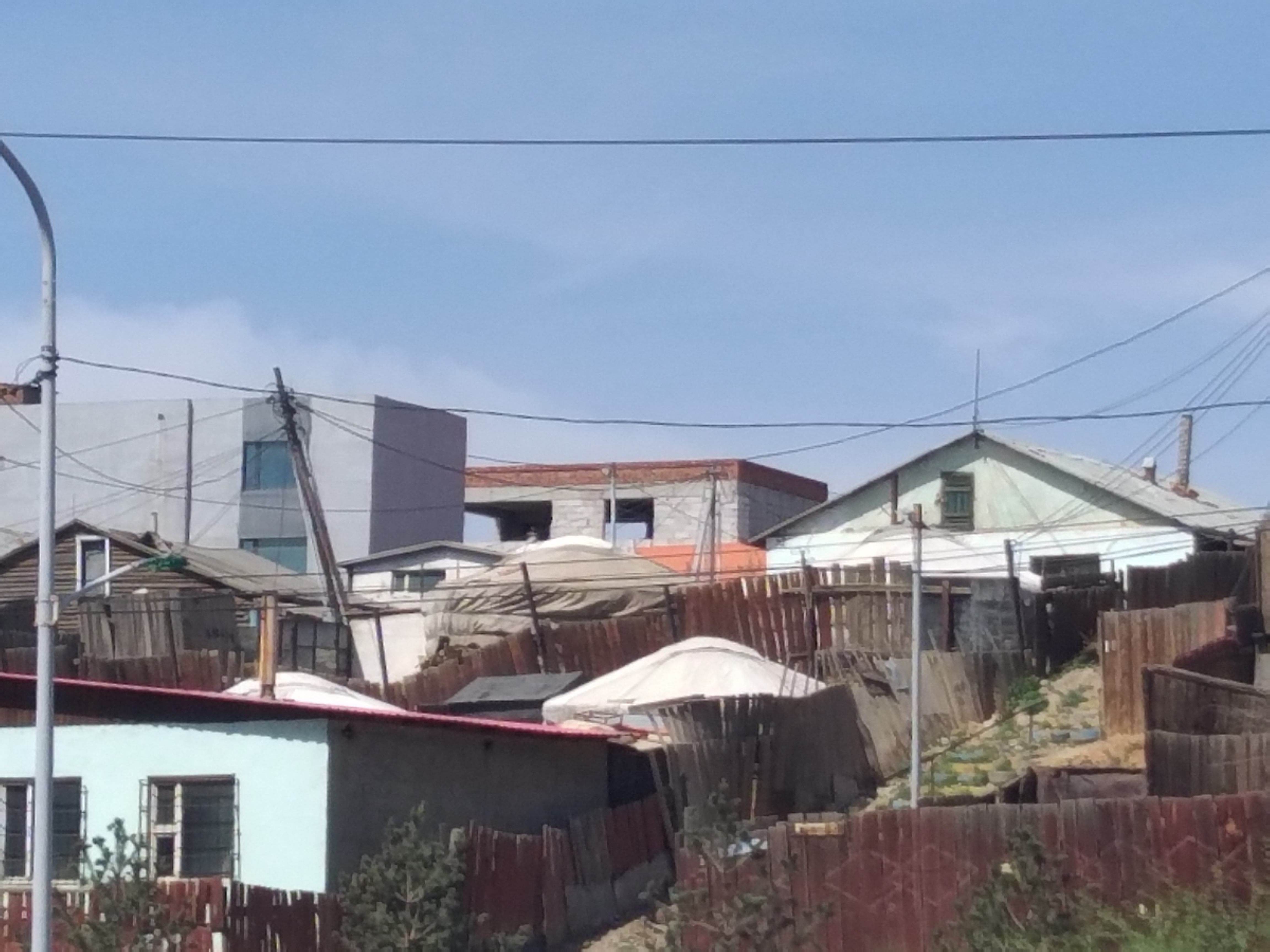
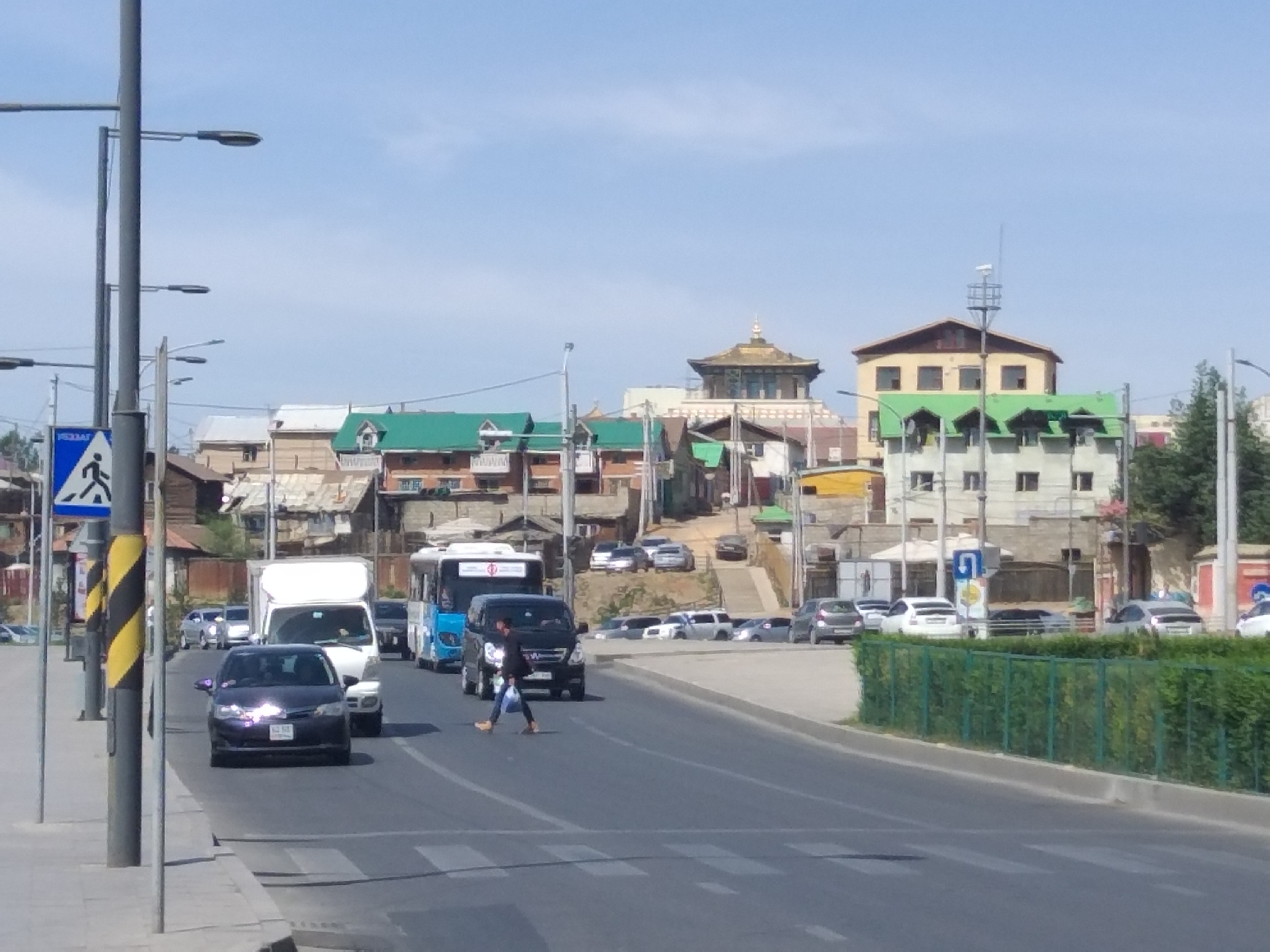
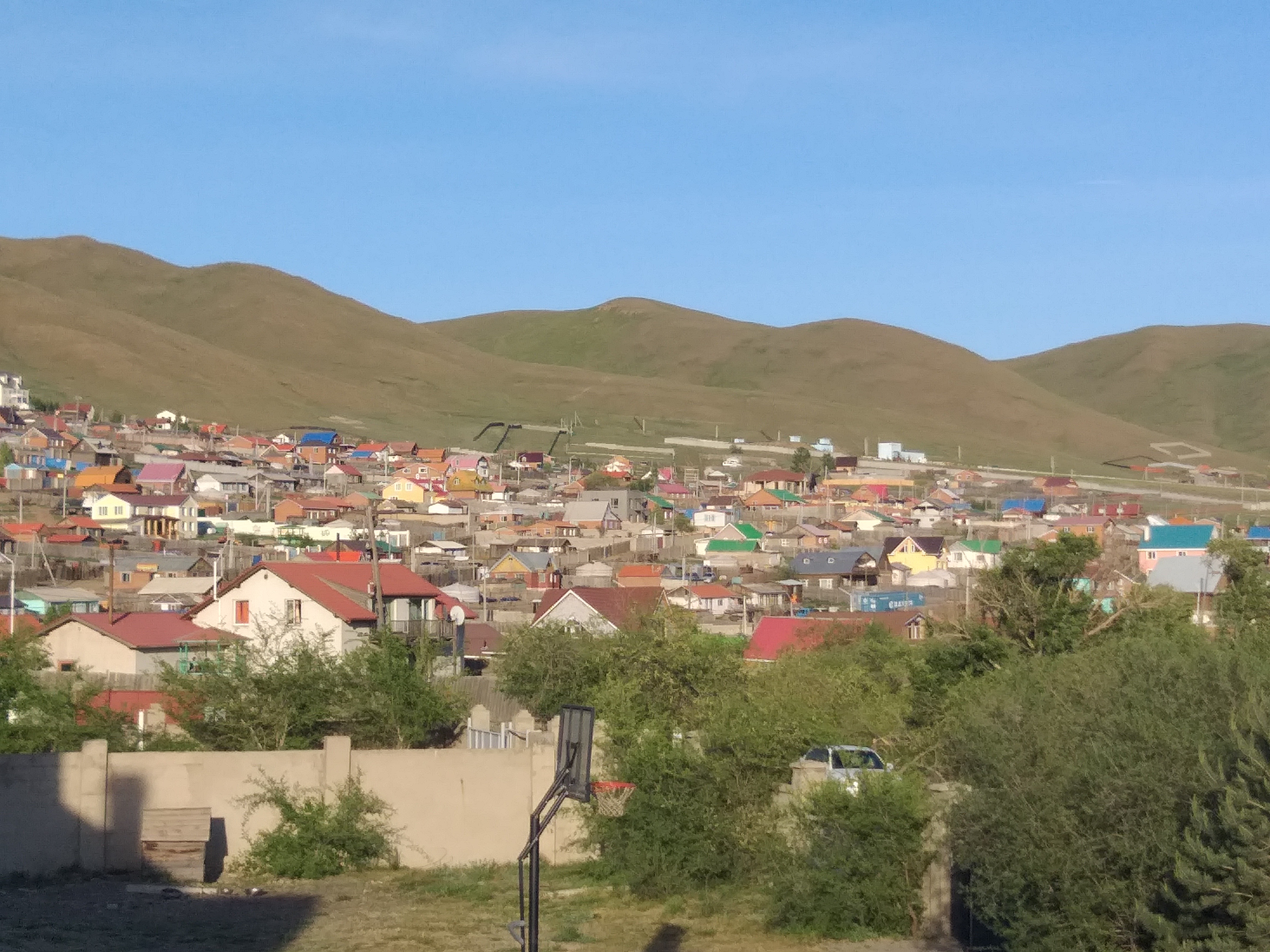
Vom alten Ulan Bator ist hier im Zentrum nicht mehr viel zu sehen. Nur am Rande der Stadt, wo die ärmeren Viertel beginnen, kann man noch einen Eindruck davon gewinnen, wie Ulan Bator früher ausgesehen haben mag:

20190613_105811

20190613_105418

20190611_191503

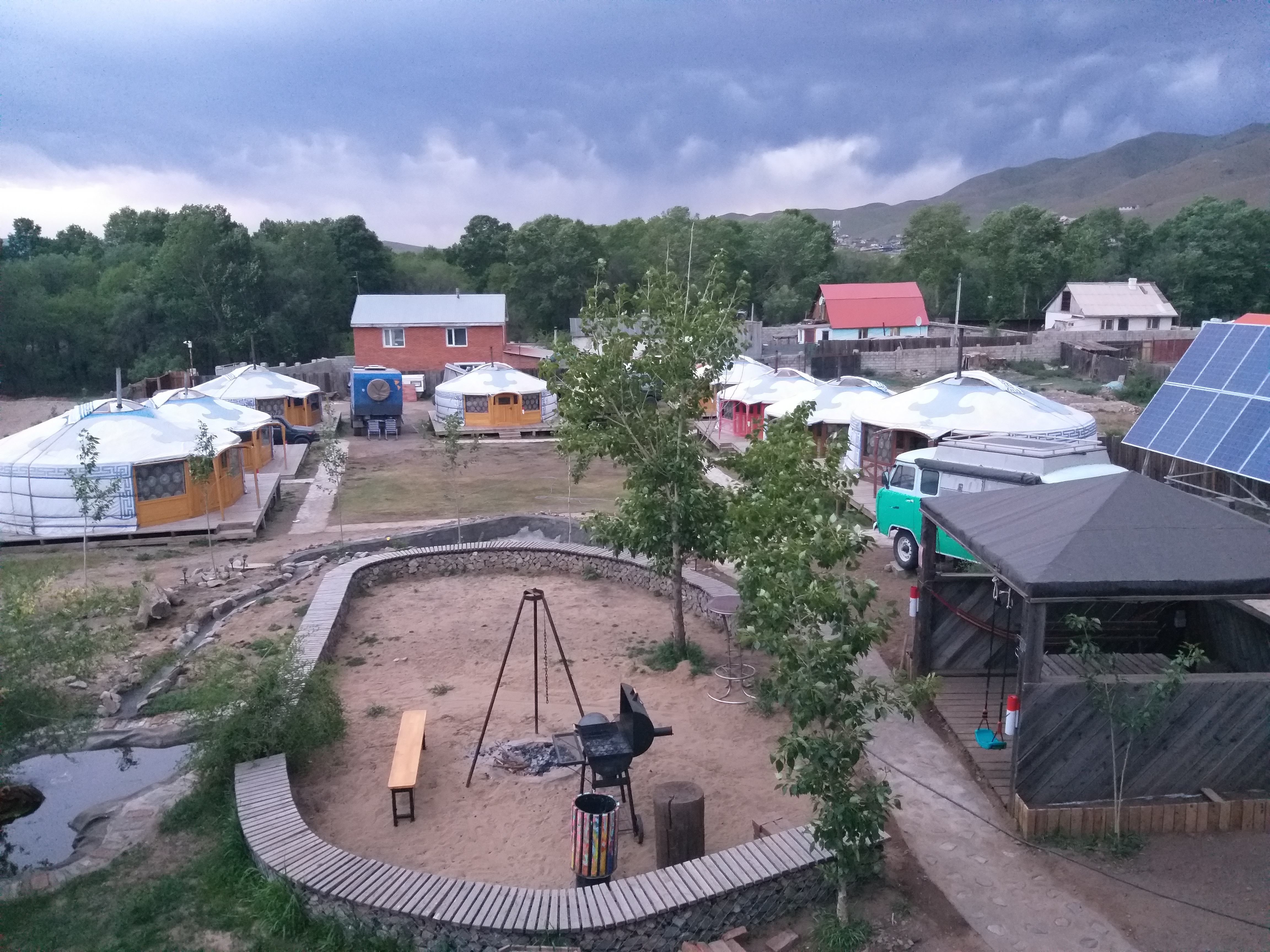
Unser Standplatz ist die Riverpoint Lodge am Rande der großen Stadt. Sie wird von René, einem sehr freundlichen und hilfsbereiten Österreicher, geleitet. Und natürlich gibt es – neben vielen anderen mongolischen, indischen und internationalen Gerichten auch österreichisches Gulasch. Hier erholen wir uns ein paar Tage ….

20190610_205309

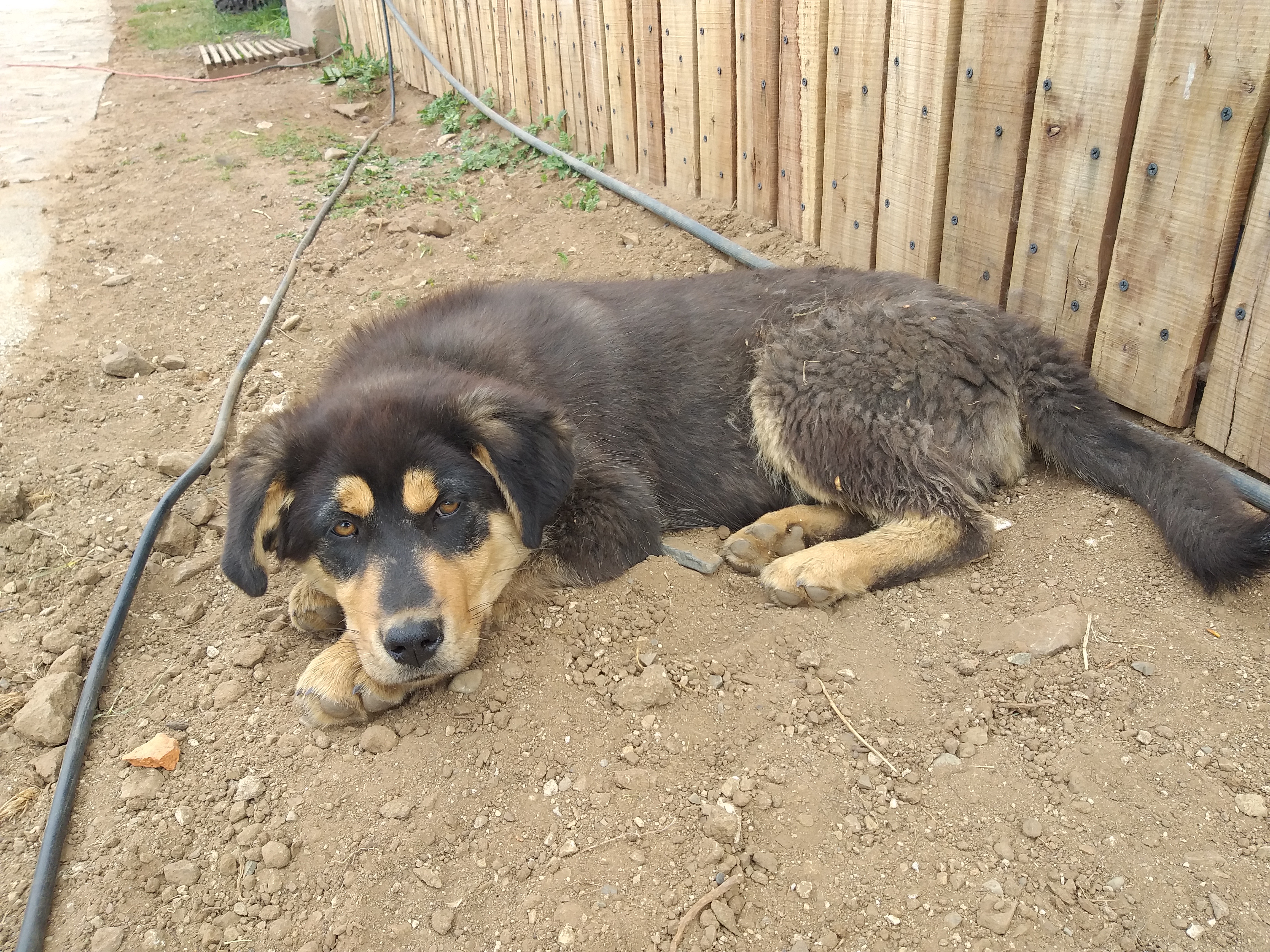
… gut bewacht von jüngsten der drei Haushunde:

20190612_110900

Dann muss ich in ein Hotel in der Innenstadt umziehen, da am nächsten Morgen Helga, die Freundin von Horst, aus Deutschland nachkommt und im Mog nur für zwei Personen Platz ist.

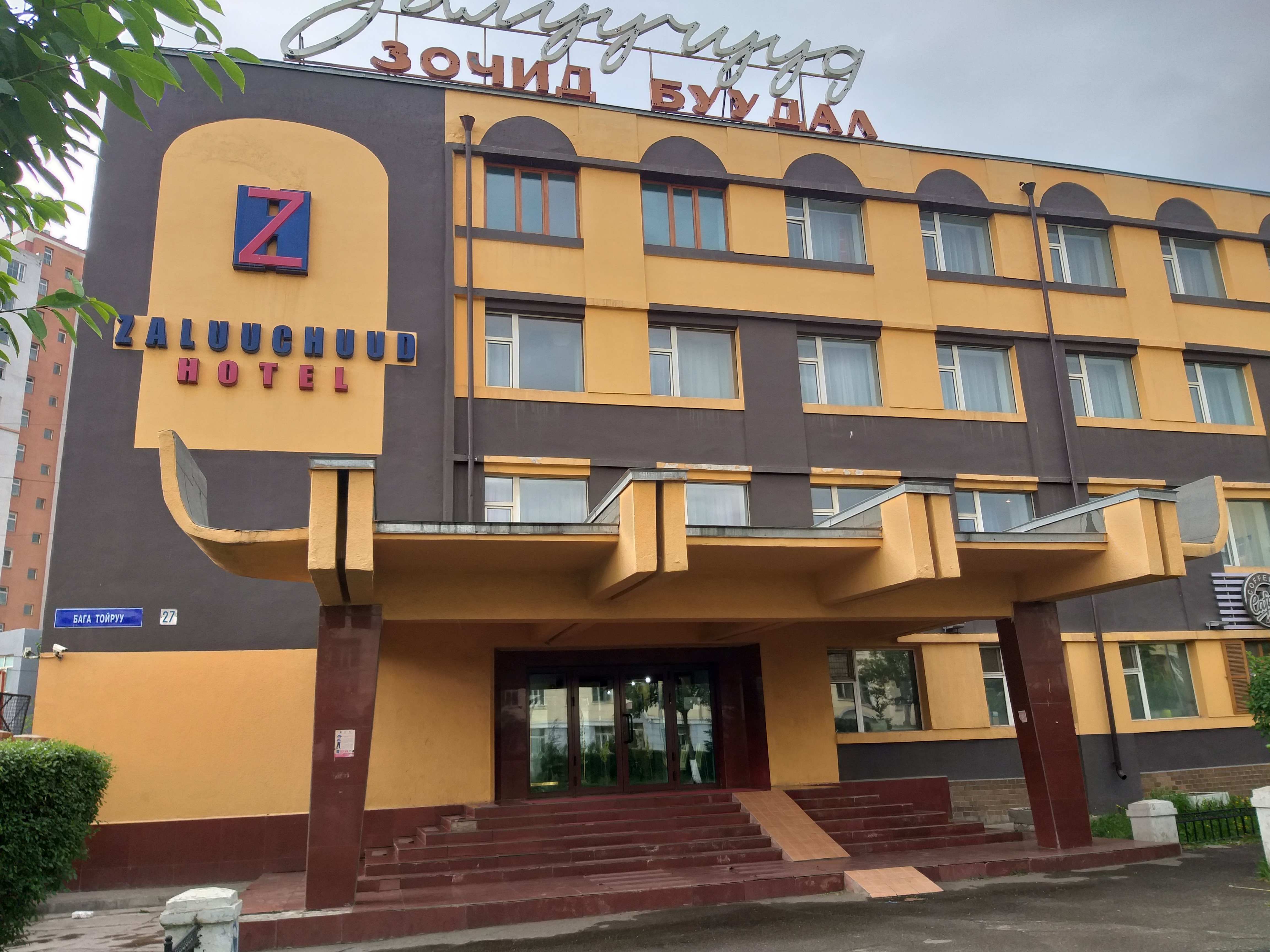
Jetzt wohne ich also im Zaluuchuud Hotel in der Innenstadt von Ulan Bator:

20190615_101115

Nicht die erste Adresse in UB, aber durchaus akzeptabel.

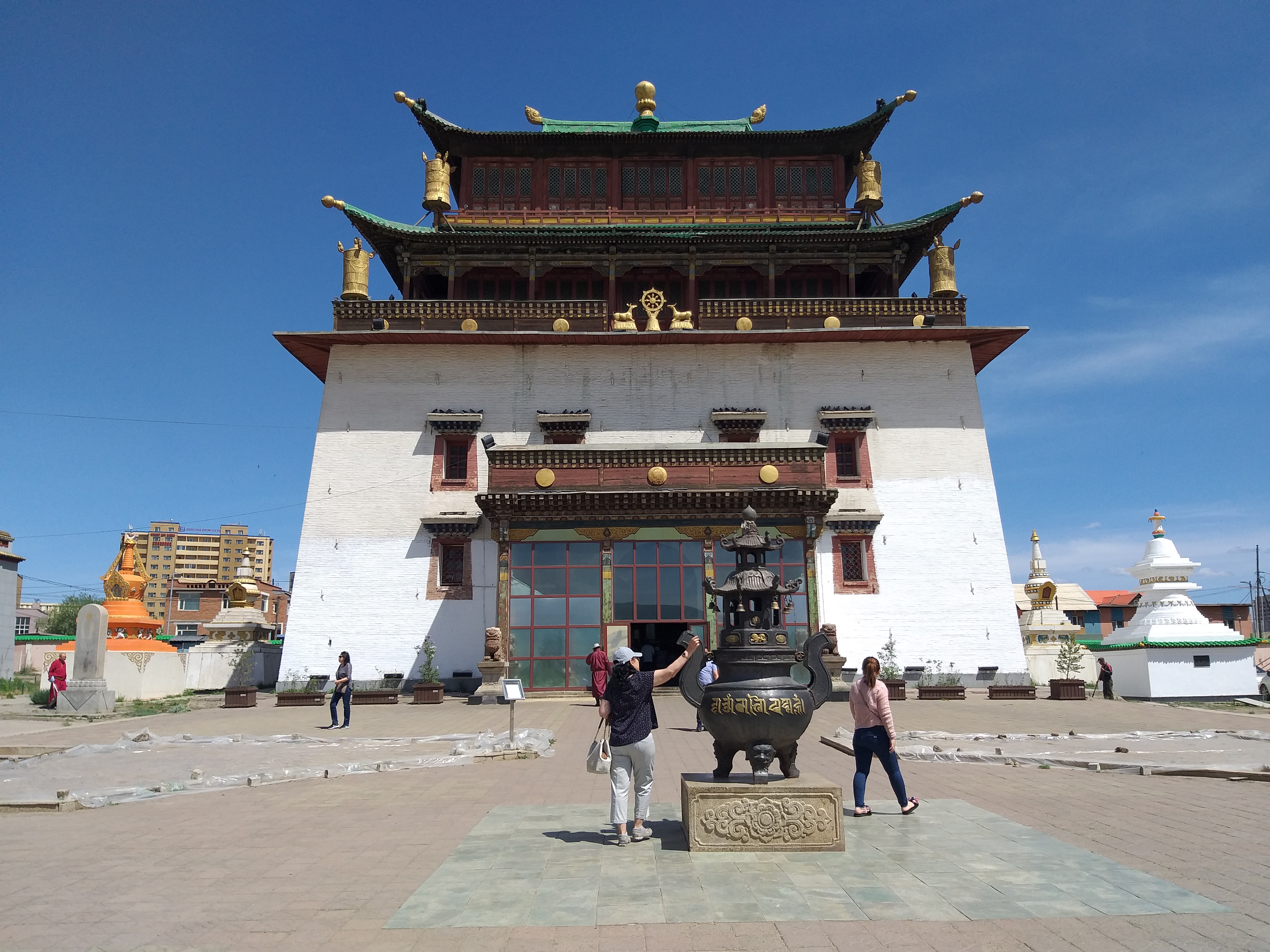
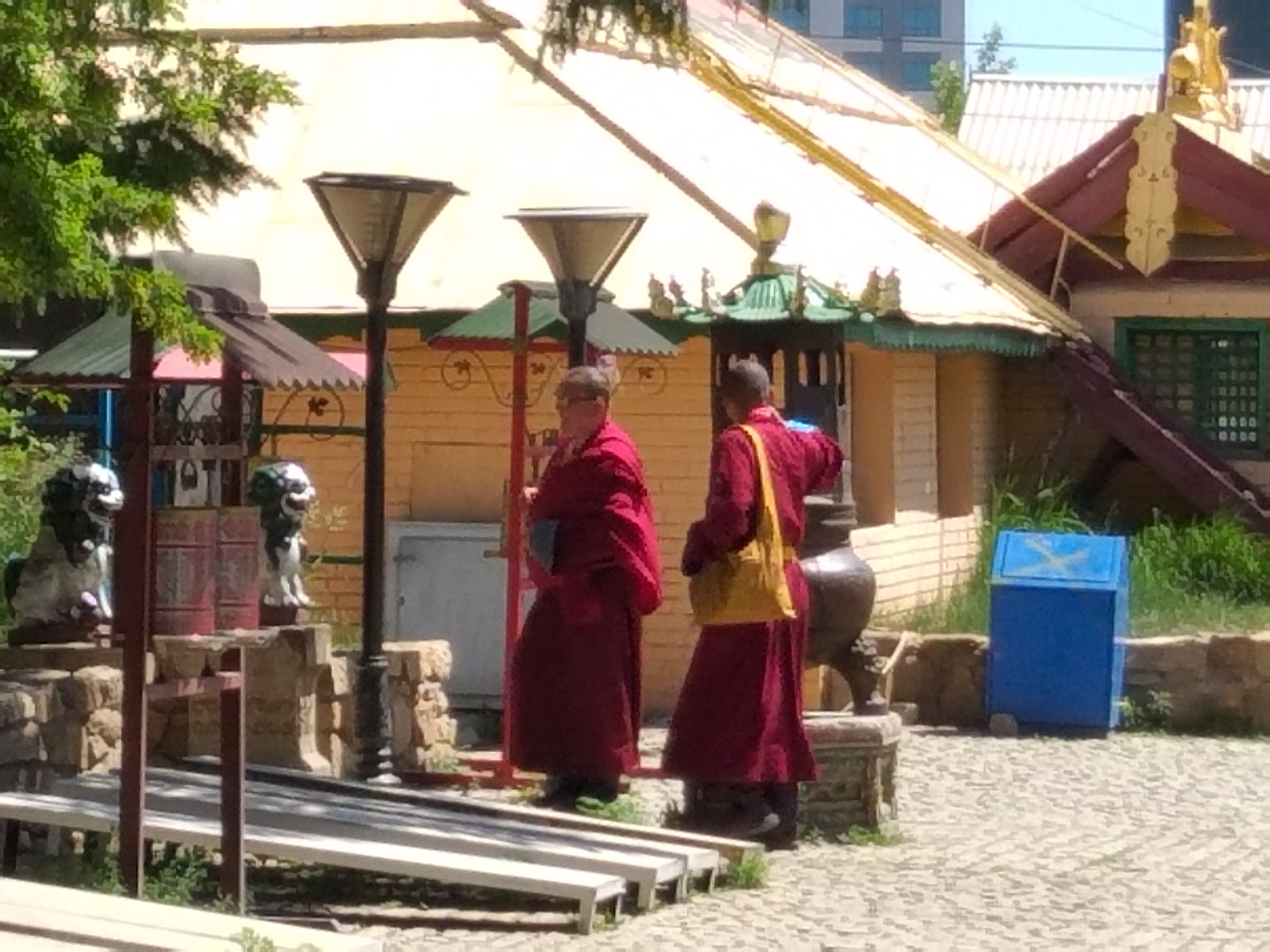
Von hier aus mache ich mich auf den Weg zu den kulturellen Sehenswürdigkeiten der Stadt; von den vielen Klöstern, die es hier einst gab, wird heute nur noch eines von Mönchen genutzt, das Gandan Kloster:

20190613_112207

20190613_113951

20190613_112701

20190613_111455

20190613_111650

20190613_112719

Während der 30er Jahre des letzten Jahrhunderts wurden unter dem Regime der Sowjets tausende von Klöstern zerstört und zehntausend von Mönchen umgebracht. Mit dem Zusammenbruch der Sowjetunion kehrte der Buddhismus allmählich wieder zurück ins Land. Dennoch gibt es heute nur noch wenige aktive Klöster in der Mongolei. Eininge andere sind noch erhalten, sind heute aber nur noch Museen wie z.B. das Tschoidschin Lama Tempel Museum, das inmitten einer Reihe von modernen Hochhäuser liegt.

Ein weiteres Relikt aus vor-sowjetischer Zeit ist der Winterpalast des Bogd Khan:

20190614_140627

20190614_143332

20190614_140742

20190614_140750

20190614_142200

20190614_140603

20190614_140440

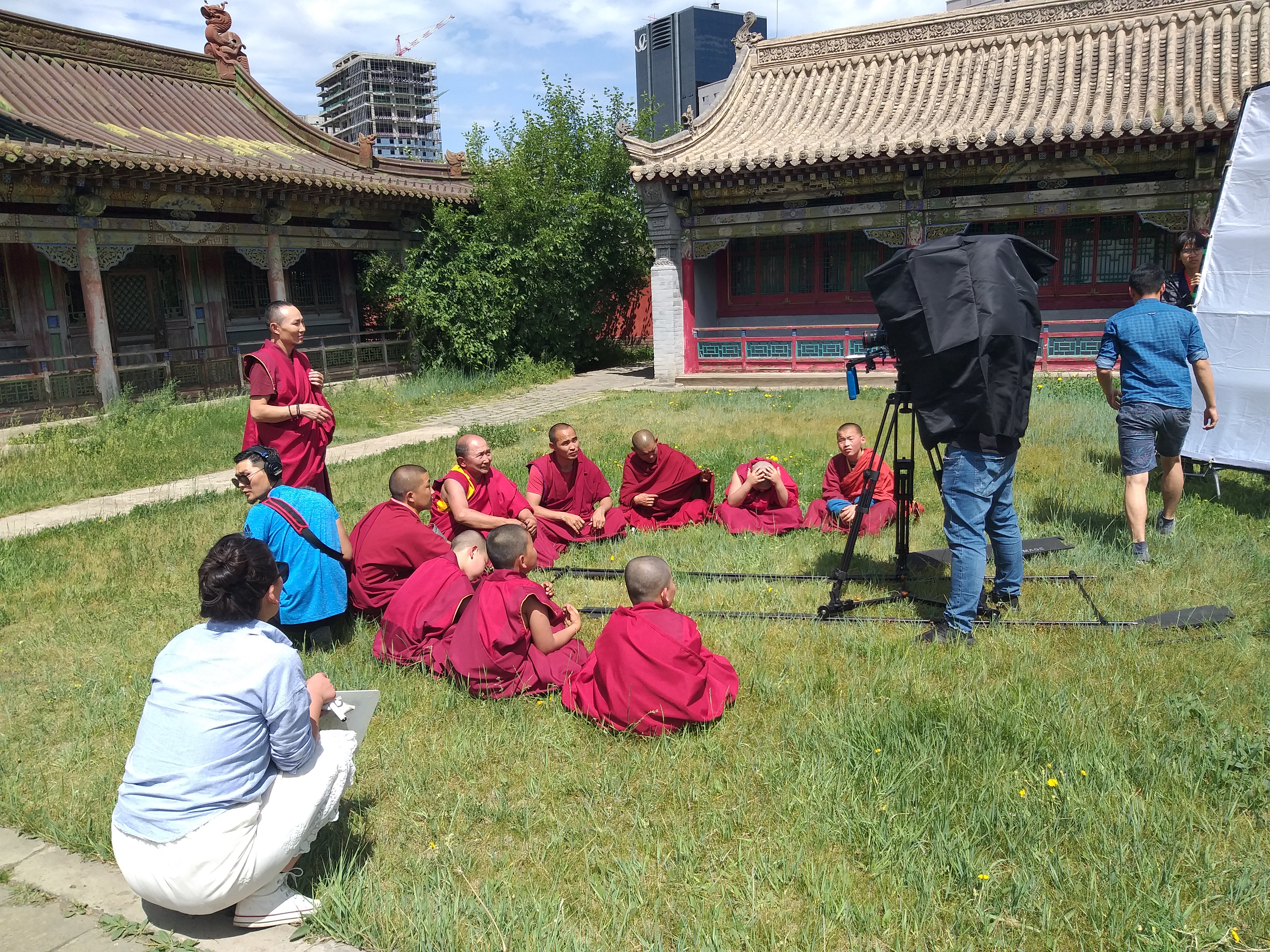
Hier wird gerade ein Film gedreht; die Mönche sind „echte Schauspieler“ – wie mir der Regisseur selbst erklärt:

20190614_141805

20190614_143019

Auf dem Weg zum Winterpalast kommt man auch an dieser Karawane vorbei. Sie ist wohl ein kleiner Vorgeschmack auf das, was uns auf unserer Reise ins Innere der Mongolei noch erwartet:

Español

En el idioma nacional La capital de Mongolia se llama UlaanBaatar:

20190614_154916

La ciudad me sorprende: es, al menos en el centro, moderna, muy occidental y llena de vida:

Particularmente impresionante es el edificio del gobierno con una impresionante estatua de Genghis Khan:

20190612_165553

20190614_115208

Frente a Gengis Khan se encuentra la estatua ecuestre del fundador de la moderna Mongolia, Sukhbataar:

20190613_171817

Un evento de folklore se lleva a cabo actualmente entre los dos caballeros importantes; Estoy impresionado por los trajes coloridos y la música intensa:

Desde el antiguo Ulan Bator no hay mucho que ver en el centro. Solo en las afueras de la ciudad, donde comienzan los barrios más pobres, todavía se puede tener una idea de cómo se veía la antigua ciudad:

20190613_105811

20190613_105418

20190611_191503

El sitio, donde nos hemos estacionado durante los primeros días, es el Riverpoint Lodge en el borde de la gran ciudad. Está dirigida por René, un austriaco muy amable y servicial. Y, por supuesto, hay goulash austriaco, junto con muchos otros platos mongoles, hindúes e internacionales. Aquí nos relajamos por unos días …

20190610_205309

… bien vigilados por el más joven de los tres perros de la casa:

20190612_110900

Luego me tengo que mudar a un hotel en el centro de la ciudad, porque a la mañana siguiente Helga, la amiga de Horst, viene de Alemania y solo hay sitio para dormir en el Mog para dos personas.

Ahora vivo en el Hotel Zaluuchuud en el centro de Ulan Bator:

20190615_101115

No es la primera dirección en UB, pero acceptable.

Desde aquí me dirijo a los lugares culturales de la ciudad. De los muchos monasterios que una vez existieron aquí, solo uno se usa por los monjes de hoy, el Monasterio de Gandan:

20190613_112207

20190613_113951

20190613_112701

20190613_111455

20190613_111650

20190613_112719

Durante la década de 1930, bajo el régimen soviético, miles de monasterios en Mongolia fueron destruidos y decenas de miles de monjes fueron asesinados. Con el colapso de la Unión Soviética, el budismo regresó gradualmente al país. Sin embargo, en la actualidad solo hay unos pocos monasterios activos en Mongolia. Algunos otros aún se conservan, pero hoy solo son museos como el Museo del templo Lama Tschoidschin, que está situado dentro de un complejo de rascacielos modernos:

Otro edificio importante, que se quedó de la era pre-soviética es el Palacio de Invierno de Bogd Khan:

20190614_140627

20190614_143332

20190614_140742

20190614_140750

20190614_142200

20190614_140603

20190614_140440

En uno de los patios están rodeando una película; los monjes son „verdaderos actores“ – como me expliqua el director mísmo:

20190614_141805

20190614_143019

En el camino al Palacio de Invierno veo esta caravana. Probablemente sea una pequeña muestra de lo que nos espera en nuestro viaje hacia el interior de Mongolia:

English

the capital of Mongolia is called UlaanBaatar in the national language:

20190614_154916

The city surprises me: It is – at least in the center – modern, very Western-oriented and full of life:

Particularly impressive the government building with an heavy statue of Genghis Khan:

20190612_165553

20190614_115208

Opposite this impressive figure stands the equestrian statue of the founder of modern Mongolia, Sukhbataar:

20190613_171817

A folklore event is currently taking place between the two important gentlemen; I’m impressed by the colorful costumes and the intense music:

Of the old Ulan Bator there is not much to see in the center any more. Only on the outskirts of the city, where the poorer quarters start spreading, one can still get an impression of how Ulan Bator used to look like:

20190613_105811

20190613_105418

20190611_191503

We are parked in the Riverpoint Lodge on the edge of the big city. It is led by René, a very friendly and helpful Austrian. And, of course, they offer Austrian goulash, along with many other Mongolian, Indian and international dishes. Here we relax for a few days:

20190610_205309

… very well protected by the youngest of the three dogs of the house:

20190612_110900

Then I have to move to a hotel in the city center, because the next morning Helga, Horst’s friend, will arrive from Germany and there is only room for two people in the Mog.

Now I live in the Zaluuchuud Hotel in downtown Ulan Bator:

20190615_101115

Not the first address in Ulan Bator, but it’s o.k.

From here I walk to the cultural sights of the city. Of the many monasteries that once existed here, only one is used by monks today, the Gandan Monastery:

20190613_112207

20190613_113951

20190613_112701
20190613_111455

20190613_111650

20190613_112719

During the 1930s, under the Soviet regime, thousands of monasteries were destroyed and tens of thousands of monks were killed. With the collapse of the Soviet Union, Buddhism gradually returned to the country. Nevertheless, there are only a few active monasteries in Mongolia today. Some others are still preserved, but today they are museums like the Tschoidschin Lama Temple Museum, which is located between a complex of modern highrises:

Another relic from the pre-Soviet era is the Winter Palace of Bogd Khan:

20190614_140627

20190614_143332

20190614_140742

20190614_140750

20190614_142200

20190614_140603

20190614_140440

In one of the patios they are just shooting a movie. The monks are „real actors“ – as I am told by the director himself:

20190614_141805

20190614_143019

On the way to the Winter Palace I met this camel caravan. It is probably a little taste of what awaits us on our journey into the interior parts of Mongolia.

Mongolei: Die erste Herausforderung

Deutsch – EspañolEnglish

Nach der problemlosen Einreise in die Mongolei ging es zunächst bis in die Nähe von Darchan. Unterwegs begegneten wir immer wieder kleineren Pferdeherden. Es waren „malerische“ Anblicke:

Pferde unterwegs

Pferde unterwegs 3

Auf dem Weg zum Kloster Amarbayasgalant erleben wir zum ersten Mal, wie schwierig die Orientierung in der Mongolei sein kann, wenn man die geteerten Landstraßen verlassen muss. Trotz eines Navigationsgerätes, einer ziemlich guten Landkarte und zweier Handys, auf denen Google maps und Maps me laufen, verfehlen wir die richtige Piste und müssen uns schließlich über eine extrem schwierige Strecke zu unserem Ziel durchquälen:

Das Kloster selbst, seine Lage, die Ruhe, die die gesamte Umgebung und die Anlage ausstrahlen, sind überwältigend:

20190604_191508

20190604_202101

Im Kloster selbst:

20190605_113001

20190605_113302

20190605_113849

20190605_114334

20190605_113339

Die Stupas hinter dem Kloster:

20190605_123915

20190605_123924

20190605_132352

20190605_130756

20190605_131408

Wir bleiben hier zwei Nächte. Die erste Nacht ist ruhig, aber kühl. Bis spät in der Nacht sitzen wir am Lagerfeuer:

In der zweiten Nacht mache ich einen ersten Selbstversuch. Wegen der starken Temperaturschwankungen zwischen Tag und Nacht probiere ich das mitgebrachte Zelt und den Schlafsack aus. Schließlich möchte ich später noch knapp einen Monat gemeinsam mit Werner, der demnächst per Flugzeug nachkommt, im Leihwagen und mit Zelt durch die Mongolei reisen.

Zelt vor MOG

Die erste „Probenacht“ ist sehr lehrreich. Kaum bin ich ins Zelt „umgezogen“, beginnt es zu regnen, dann zu stürmen. Die Böen zerren an den Zeltschnüren, drücken das Zeltgestänge nach unten und mir die Zeltwand ins Gesicht. An Schlafen ist nicht zu denken. Außerdem ist es „arschkalt“.

Am nächsten Morgen bin ich fix und fertig und etwas skeptisch im Hinblick auf die nächsten drei bis vier Wochen.

Auch die Weiterfahrt Richtung Erdenet ist ziemlich heftig:

Die nächste Nacht auf dieser Etappe verbringen wir auf einer einsamen Anhöhe etwas südlich von Bulgan. Schon kurz nach Ankunft zieht eine riesige Herde von Pferden an uns vorbei, begleitet von zwei Hirten, die zu uns reiten und uns ansprechen. Leider verstehen wir kein Wort. Schließlich “spendet“ Horst einem der beiden eine Dose Bier. Das hellt die Mienen auf und wir können unbehelligt den Anblick der vorbeiziehenden Tiere beobachten:

Auch die Weiterfahrt bis nach Ulan Bator ist viel anstrengender als gedacht: Obwohl als Hauptverkehrsstraße (asphaltiert oder nicht asphaltiert) in unserer Landkarte ausgewiesen, erweist sich die Trasse über lange Strecken als eine ziemlich holprige Piste und mehrfach sind wir uns untereinander und mit den diversen Navigationssystemen nicht einig, ob wir nun die rechte, die linke oder die mittlere Spur nehmen müssen.

Nach einer weiteren Nacht auf freiem Feld:

20190606_162705

schaffen wir es schließlich doch bis zur Fernverkehrsstraße (diesmal asphaltiert), die uns schließlich bis nach Ulan Bator bringt.

Español

Mongolia: El primer desafío

Después de la entrada fácil a Mongolia, fuimos primero a Darchan, donde pernoctamos en la cercanía. En el camino nos encontramos una y otra vez con manadas pequeñas de caballos. Eran vistas „muy pintorescas“:

Pferde unterwegs

Pferde unterwegs 3

De camino al Monasterio de Amarbayasgalant, experimentamos por primera vez lo difícil que puede ser la orientación en Mongolia si tiene que abandonar los caminos pavimentados. A pesar de un navegador, un mapa bastante bueno y dos teléfonos con Google Maps y Maps, perdemos la pista correcta y, finalmente, tenemos que negociar una ruta extremadamente difícil hacia nuestro destino:

El monasterio en sí, su ubicación, la tranquilidad que irradia todo el entorno y las instalaciones mísmas son abrumadoras:

20190604_191508

20190604_202101

En el propio monasterio:

20190605_113001

20190605_113302

20190605_113849

20190605_114334

20190605_113339

Las estupas del monasterio:

20190605_123915

20190605_123924

20190605_132352

20190605_130756

20190605_131408

Nos quedamos aquí por dos noches. La primera noche es tranquila pero fresca. Nos quedamos junto a la fogata hasta altas horas de la noche:

La segunda noche hago un primer auto-experimento. Debido a las fuertes cambios de temperatura entre el día y la noche, pruebo la carpa y el saco de dormir por primera vez. Finalmente, me gustaría viajar durante aproximadamente un mes junto con Werner – quien pronto vendrá en avión – en un auto de alquiler y con una tienda de campaña en Mongolia.

Zelt vor MOG

La primera „noche de ensayo“ es muy instructiva. Tan pronto como me haya mudado a la tienda, comienza a llover, luego se acerca una tormenta. Las ráfagas tiran de las cuerdas de la tienda, empujan los postes de la tienda hacia abajo y la pared de la tienda en mi cara. El sueño es impensable. Además, hace bastante frío. A la mañana siguiente estoy listo y un poco escéptico sobre las próximas tres o cuatro semanas.

El viaje hacia Erdenet también es bastante intenso:

La noche siguiente pasamos en una colina solitaria al sur de Bulgan. Poco después de nuestra llegada, una gran manada de caballos nos pasa, acompañados por dos pastores que cabalgan hacia nosotros y nos hablan. Lamentablemente no entendemos ni una palabra. Finalmente, Horst „dona“ una lata de cerveza a uno de los dos. Esto ilumina las caras y podemos observar la vista de los caballos que pasan sin estar molestados:

Incluso el viaje hacia Ulan Bator es mucho más agotador de lo esperado: aunque se muestra como una carretera principal (pavimentada o no pavimentada) en nuestro mapa, la ruta demuestra ser una ruta bastante accidentada en largas distancias y estamos varias veces entre nosotros y con los diversos sistemas de navegación. A veces no estamos de acuerdo si tenemos que tomar la derecha, la izquierda o el carril central.

Después de otra noche en campo abierto …

20190606_162705

finalmente, llegamos a la carretera principal (esta vez pavimentada), que nos lleva a Ulan Bator.

English

Mongolia: The first challenge

After an easy entry into Mongolia, we first went to a place near Darchan. On the way we sometimes met smaller herds of horses. They were „picturesque“ sights:

Pferde unterwegs

Pferde unterwegs 3

On the way to Amarbayasgalant Monastery we experience for the first time how difficult the orientation in Mongolia can be if you have to leave the paved country roads. Despite a navigator, a pretty good map, and two phones running Google Maps and Maps me, we miss the right track and eventually have to go on an extremely difficult route to our destination:

The monastery itself, its location, the tranquility that the whole environment radiates  are overwhelming:

20190604_191508

20190604_202101
Inside the monastery:

20190605_113001

20190605_113302

20190605_113849

20190605_114334

20190605_113339

The stupas behind the monastery:

20190605_123915

20190605_123924

20190605_132352

20190605_130756

20190605_131408

We stay here for two nights. The first night is calm but cool. We sit by the campfire late into the night:

The second night I make a first self-experiment. Because of the strong temperature changes between day and night I want to try out the tent and the sleeping bag, mainly because I will travel for a month or so together with Werner through Mongolia in a rental car and with a tent. Werner will soon be flying in by plane,

Zelt vor MOG

The first „rehearsal night“ is very instructive. As soon as I have moved into the tent, it starts to rain, then to storm. The gusts tug at the tent strings, push the tent poles down and the tent wall in my face. Sleep is unthinkable. Besides, it is „very cold“. The next morning I’m all done and a bit skeptical about the next three to four weeks.

The onward journey towards Erdenet is also quite intense:

The next night on our trip to Ulan Bator we spend on a lonely hill just south of Bulgan. Shortly after arrival, a huge herd of horses passes by, accompanied by two shepherds who approach us and start speaking to us. Unfortunately we do not understand a word. Finally, Horst „donates“ a can of beer to one of the two. This brightens the faces and we can continue watching the horses passing by:

Even the onward journey to Ulan Bator is much more exhausting than expected: Although shown as a major road (paved or unpaved) in our map, the route proves to be a rather bumpy track over long distances and we are several times at odds among each other and with the various navigation systems. We do not agree on whether we need to take the right, the left or the middle lane.

After another night in the open field:

20190606_162705

finally, we make it to the (paved) main road, which takes us to Ulan Bator.

Am Baikalsee

Deutsch – EspañolEnglish

Der Baikalsee ist der größte und tiefste Süßwassersee der Welt. Hier könnte man bis zu 1642 m tief tauchen. Haben wir aber nicht vor. Obwohl wir schon Anfang Juni schreiben, ist das Wasser noch ziemlich frisch. Bis vor kurzem trieben hier noch Eisschollen – wie man uns sagt:

20190530_092753

20190528_154327

20190530_092323

20190530_133821

Der Ausblick von Listwankja zum Südufer ist grandios. Weil wir aber keinen geeigneten Stellplatz am Nordufer finden, entscheiden wir uns, am Angara-Fluss, der aus dem Baikal herausfließt, einen ruhigen und schönen Platz zu suchen:

20190529_115414

20190529_120237

20190529_120326

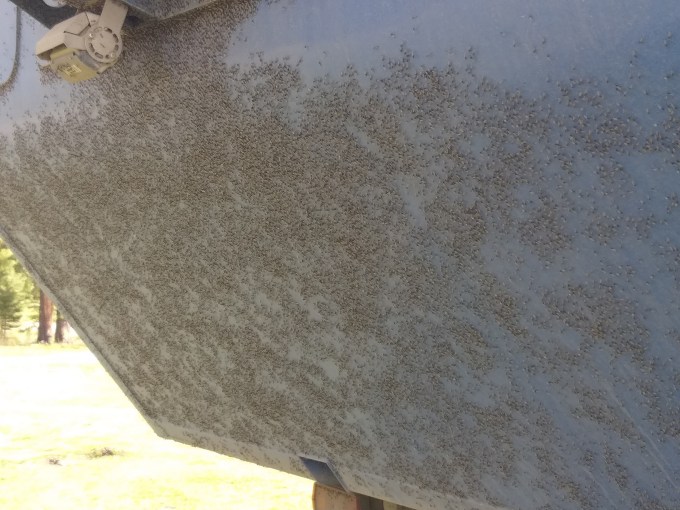
Der Platz ist wunderschön und ruhig, aber schon sehr bald zeigt sich, dass er auch bei den bestimmten Fliegen sehr beliebt ist. Buchstäblich tausende besetzen innerhalb kürzester Zeit die Karosserie des Mogs oder tanzen um uns herum. Zum Glück stechen sie nicht, sind aber extrem lästig:

20190529_115742

Trotzdem bleiben wir zwei Nächte. – Dann brechen wir zum Südufer des Sees auf. Das scheint weitgehend frei zu sein von Mücken und wir verbringen einen erholsamen Ruhetag mit Blick auf den Baikalsee. Baikal-Robben soll es hier zwar geben, aber wir sehen leider keine:

20190530_151102

20190531_130642

20190531_170314

Nach der kurzen Erholungspause trennen uns „nur“ noch rund 400 km von der Grenze zur Mongolei. Unterwegs machen wir noch einen „Schlenker“ durch das Delta der Serenga, eines südlichen Zuflusses zum Baikal. Dort liegt ein kleines, sehenswertes Kloster in exponierter Lage am See, weit abgelegenen und im Winter mutmaßlich sehr, sehr kalt:

In Ulan Ude machen wir nur einen kurzen Halt, um noch einmal „so richtig“ Lebensmittel in einem russischen Supermarkt einzukaufen.

Dann geht es durch das Tal der Selenga bis zur Grenze in die Mongolei. Unterwegs legen wir noch einmal eine Übernachtung am Flussufer ein und feiern unseren letzten Abend in Russland mit einem schönen Lagerfeuer (zum Teil aus herumliegenden getrockneten Kuhfladen):

20190602_172852

20190602_195930

20190602_202606

Español

En el lago Baikal

El lago Baikal es el lago de agua dulce más grande y profundo del mundo. Aquí podrás bucear hasta 1642 m. Pero no tenemos la intención de hacerlo. Aunque escribimos a principios de junio, el agua todavía está bastante fresca. Hasta hace poco, los témpanos de hielo todavía se movían aquí, como nos dicen:

20190530_092753

20190528_154327

20190530_092323

20190530_133821

La vista desde Listwankja hasta la orilla sur es espectacular. Pero como no podemos encontrar un espacio de estacionamiento adecuado en la costa norte, decidimos buscar un lugar tranquilo y hermoso en el río Angara, que sale del Baikal:

20190529_115414

20190529_120237

20190529_120326

El lugar es hermoso y tranquilo, pero muy pronto resulta que también es muy popular entre ciertas moscas. Literalmente, miles de moscas ocupan rápidamente la superficie del Mog o bailan a nuestro alrededor. Afortunadamente, no pican, pero son extremadamente molestos:

20190529_115742

Sin embargo, nos quedamos dos noches. – Luego nos dirigimos a la orilla sur del lago. Esto parece estar en gran parte libre de mosquitos y pasamos un día de descanso en la orilla del lago. Se supone que las focas de Baikal están aquí, pero desafortunadamente no vemos ninguna:

20190530_151102

20190531_130642

20190531_170314

Después de un breve descanso estamos „solo“ a unos 400 km de la frontera con Mongolia. En el camino hacemos un desvio a través del delta de la Serenga, un afluente del sur del Baikal. Hay un pequeño monasterio en esta zona que vale la pena ver en una ubicación prominente en el lago, y en el invierno, probablemente, muy, muy frío:

En Ulan Ude nos quedamos por un tiempo para comprar comestibles en un supermercado ruso. Luego pasamos por el valle de la Selenga hasta la frontera con Mongolia. En el camino, una vez más pasamos la noche en la orilla del río y celebramos nuestra última noche en Rusia con una bonita fogata (en parte de „empanadas“ secas de vaca):

20190602_172852

20190602_195930

20190602_202606

English

At Lake Baikal  

Lake Baikal is the largest and deepest freshwater lake in the world. Here you could dive down to 1642 m. But we do not intend to do that. Although we are in early June, the water is still pretty fresh. Until recently ice sheets were still floating here – as we are told:

20190530_092753

20190528_154327

20190530_092323

20190530_133821

The view from Listwankja to the south bank of the lake is terrific. But because we can not find a suitable overnight spot on the northern shore, we decide to look for a quiet and beautiful place at the Angara River, which flows out of the Baikal:

20190529_115414

20190529_120237

20190529_120326

The place is beautiful and quiet, but very soon it turns out that it is also very popular with certain flies. Literally thousands of flies quickly occupy the surface of the Mog or dance around us. Fortunately, they do not sting, but they are extremely annoying:

20190529_115742

Nevertheless, we stay two nights. – Then we head to the south shore of the lake. This seems to be largely free of mosquitoes and we spend a restful day there overlooking Lake Baikal. Baikal seals are supposed to be here, but unfortunately we do not see any:

20190530_151102

20190531_130642

20190531_170314

After this short break we are „only“ about 400 km from the border with Mongolia. On the way there we take a deviation through the delta of the Serenga, a southern tributary to the Baikal. There is a small, worth seeing monastery in a prominent location on the lake, far away and in the winter presumably very, very cold:

In Ulan Ude we stop for a while to buy groceries in a Russian supermarket for the last time. Then we travel through the valley of Selenga to the border with Mongolia. On the way, we once again spend a night at the riverbank and celebrate our last evening in Russia with a nice campfire (partly from dried cow patties lying around):

20190602_172852

20190602_202606


Durch Sibirien

Deutsch – EspañolEnglish

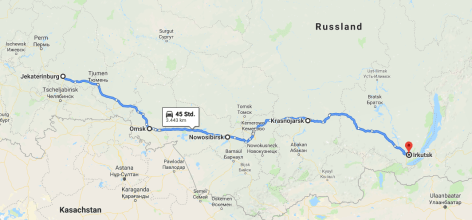
Sibirien beginnt hinter dem Ural und reicht bis …. also ziemlich weit. Sehr weit sogar, z.B. bis zur Halbinsel Kamtschatka. Soweit wollen wir nicht, aber bis Irkutsk ist es auch schon ein ganz schönes Stück:

Karte bis Irkutsk

Um dorthin zu kommen, heißt es fahren, fahren, fahren …. meist über endlose Ebenen und fast immer durch ebenso endlose Birkenwälder (manchmal gemischt mit Fichten). Das geht buchstäblich über tausende von Kilometern so und ist harte, anstrengende Arbeit, auch wenn die Bilder noch so „romantisch“ wirken:

IMG-20190520-WA0010

IMGP7675

IMG-20190525-WA0011

IMG-20190520-WA0015

Auch die Suche nach einem geeigneten Stellplatz für die Nacht abseits von der Hauptstrecke oder das Tanken von Frischwasser ist meist eine anstrengende Angelegenheit:

IMG-20190524-WA0008

IMG-20190524-WA0004

IMG-20190521-WA0037

IMG-20190520-WA0012

An unserer Strecke liegen Omsk, Novosibirsk, und Krasnojarsk. Alles Orte und Namen, von denen wir schon einmal gehört haben, aber die man nicht unbedingt kennen muss.

Landschaftlicher Höhepunkt auf der langen Strecke ist der sehr schöne Naturpark Stolby mit einigen beeindruckenden Felsformationen in der Nähe von Krasnojarsk. Hier verbringen wir einen ganzen Tag und wandern durch die dichten und stillen Wälder:

Abends bemerken wir dann, warum so wenige Menschen in den Wäldern in diesem Park zu sehen sind: Auf unseren Körpern tummeln sich etliche Zecken. Und es dauert seine Zeit, bis wir sie wieder alle los sind.

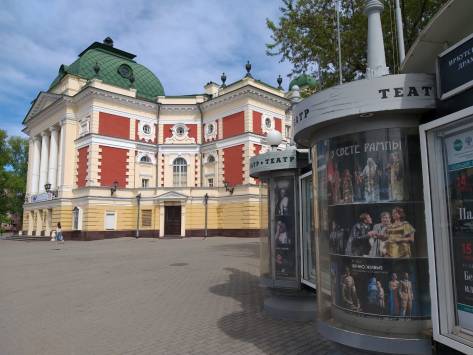
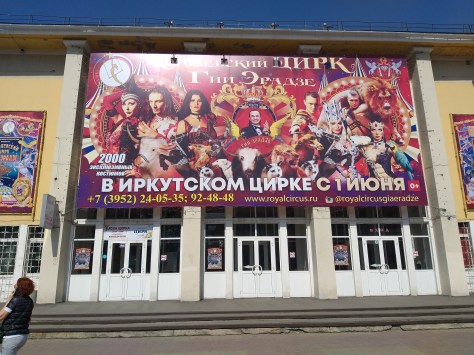
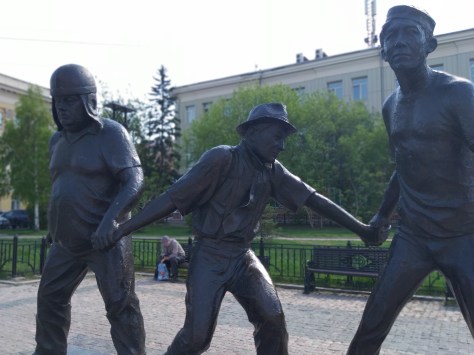
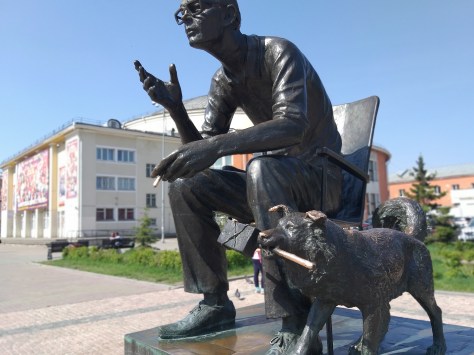
Am Ende der langen Fahrt wartet Irkutsk. Und hier werden wir überrascht. Irgendwie hatten wir wieder diese dunklen Reihen von niedrigen sibirischen Holzhäuser erwartet, durch die wir so oft durchfahren mussten, aber Irkutsk ist ganz anders: modern, lebensfroh, mit einer schönen Uferpromenade, …

… einem Ausgehviertel für Nachtschwärmer …

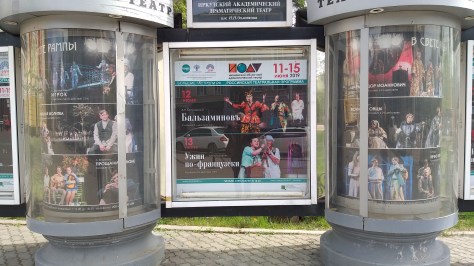
… und einem ausgeprägten kulturellen Leben:

IMG-20190526-WA0027

IMG-20190526-WA0028 2

20190527_154900

20190527_155319

20190527_155419

In Irkutsk gibt es auch noch eine ganze Reihe von Holzhäusern, die typisch für Sibirien sind. Viele davon sind in einem schlechten Zustand, aber da und dort werden sogar neue Holzhäuser gebaut.

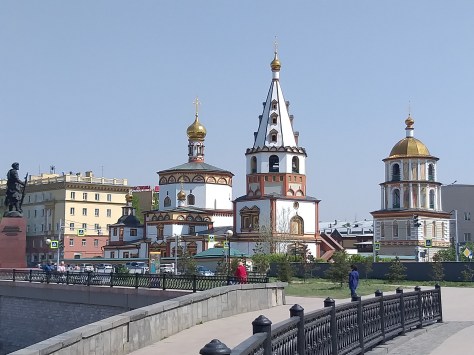
Ein Ensemble von mehreren Kirchen am Ufer der Angara ist besonders sehenswert:

20190527_143236

20190527_144625

20190527_144501

20190527_144331

20190527_142044

20190527_141303

20190527_142408

20190527_142023

20190527_141928

Español

A través de Siberia

Siberia comienza detrás de los Urales y llega a … tan bien lejos. Muy lejos incluso, por ejemplo. a la península de Kamchatka. No queremos llegar hasta allá, pero Irkutsk también es una pieza muy bonita:

Karte bis Irkutsk

Para llegar allí, significa conducir, conducir, conducir … sobre todo en interminables llanuras y casi siempre a través de bosques de abedules igualmente interminables (a veces mezclados con abetos). Esto literalmente se prolonga miles de kilómetros y es un trabajo arduo y agotador, incluso si las imágenes parecen a veces „románticas“:

IMG-20190520-WA0010

IMGP7675

IMG-20190525-WA0011

IMG-20190520-WA0015

Además, la búsqueda de un espacio de estacionamiento adecuado para pasar la noche lejos de la carretera principal o el reabastecimiento de agua dulce suele ser un asunto agotador:

IMG-20190524-WA0008

IMG-20190524-WA0004

IMG-20190521-WA0037

IMG-20190520-WA0012

En nuestra ruta están Omsk, Novosibirsk y Krasnoyarsk. Todos los lugares y nombres que hemos escuchado antes, pero no necesariamente lo sabemos. Lo más destacado de la ruta es el hermoso parque natural Stolby con algunas impresionantes formaciones rocosas cerca de Krasnoyarsk. Aquí pasamos un día entero recorriendo los bosques densos y silenciosos:

Por la noche, nos damos cuenta de por qué tan pocas personas se ven en los bosques de este parque: en nuestros cuerpos hay unas cuantas garrapatas. Y nos lleva tiempo deshacernos de todos ellos nuevamente.

Al final del largo viaje, Irkutsk espera. Y aquí estamos sorprendidos. De alguna manera, esperábamos nuevamente estas hileras oscuras de casas de madera siberianas bajas, a través de las cuales teníamos que pasar muy a menudo, pero Irkutsk es muy diferente: moderno, alegre, con un hermoso paseo marítimo …

… una zona de marcha nocturna …

… y una vida cultural fuerte:

IMG-20190526-WA0027

IMG-20190526-WA0028 2

20190527_154900

20190527_155319

20190527_155419
En Irkutsk también hay una serie de casas de madera que son típicas de Siberia. Muchos de ellos están en malas condiciones, pero aquí y allá se están construyendo nuevas casas de madera.

Un conjunto de varias iglesias a orillas del Angara es especialmente digno de ver:

20190527_143236

20190527_144625

20190527_144501

20190527_144331

20190527_142044

20190527_141303

20190527_142408

20190527_142023

20190527_141928

English

Through Siberia  

Siberia begins behind the Urals and reaches to …. well, pretty far. Very far even, e.g. to the Kamchatka peninsula. We do not want to go that far, but Irkutsk is a very nice piece as well:

Karte bis Irkutsk

To get there means driving, driving, driving …. mostly over endless plains and almost always through equally endless birch forests (sometimes mixed with spruce trees). That literally goes on for thousands of miles  and is hard, exhausting work, even if the pictures seem so „romantic“:

IMG-20190520-WA0010

IMGP7675

IMG-20190525-WA0011

IMG-20190520-WA0015

Also, the search for a suitable spots for the night away from the main road or the refueling of fresh water is usually a strenuous affair:

IMG-20190524-WA0008

IMG-20190524-WA0004

IMG-20190521-WA0037

IMG-20190520-WA0012

On our route are Omsk, Novosibirsk, and Krasnoyarsk. All these names we’ve heard of before, but you do not necessarily know them. The scenic highlight on the long route is the very beautiful nature park Stolby with some impressive rock formations near Krasnoyarsk. Here we spend a whole day hiking through dense and silent forests:

In the evening, we realize why so few people are to be seen in the woods in this park: on our bodies there are quite a few ticks. And it takes time for us to get rid of them all again.

At the end of the long journey Irkutsk waits. And here we are surprised. Somehow we had again expected these dark rows of low Siberian wooden houses, through which we had to pass so often, but Irkutsk is very different: modern, cheerful, with a beautiful waterfront …

… a nightlife district for night owls …

… and a strong cultural life:

IMG-20190526-WA0027

IMG-20190526-WA0028 2

20190527_154900

20190527_155319

20190527_155419In Irkutsk there are also a number of wooden houses that are typical of Siberia. Many of them are in poor condition, but here and there even new wooden houses are being built.

An ensemble of several churches on the banks of the Angara is especially worth seeing:

20190527_143236

20190527_144625

20190527_144501

20190527_144331

20190527_142044

20190527_141303

20190527_142408

20190527_142023

20190527_141928

Von Moskau bis zum Ural

Deutsch – EspañolEnglish

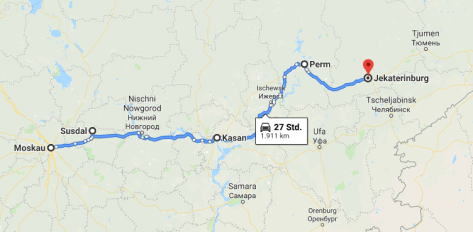
Russland ist ziemlich groß; jedenfalls viel ausgedehnter, als wir das uns vorgestellt hatten. Zahlen sind zu abstrakt, um die Entfernungen zu beschreiben, die einem in diesem gewaltigen Land erwarten:

Allein von Moskau bis Jekatarinburg im Ural sind es knapp 2000 km. Und das ist erst der Anfang.

Karte bis Ural

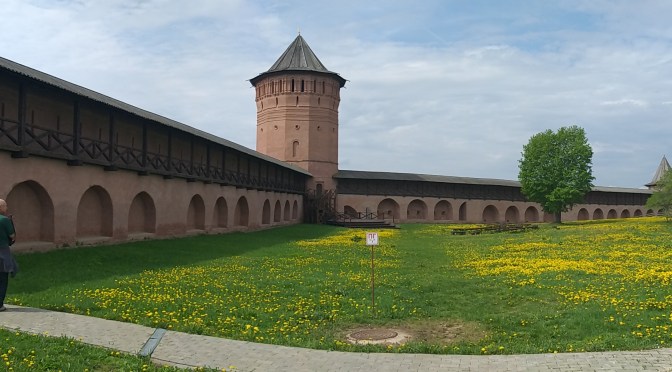
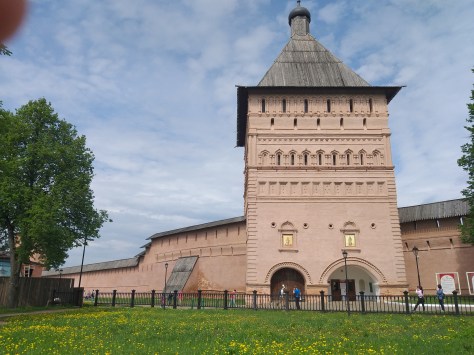
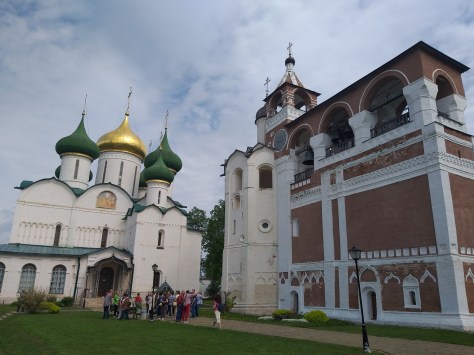
Unterwegs machen wir eine erste Station in Susdal. Von diesem Ort hatte ich nie zuvor gehört, wie ich gestehen muss, – aber das Städtchen liegt idyllisch und ist sehr beeindruckend:

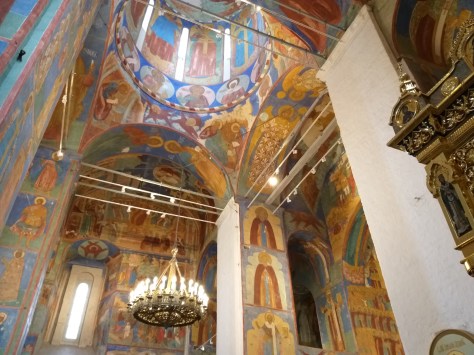
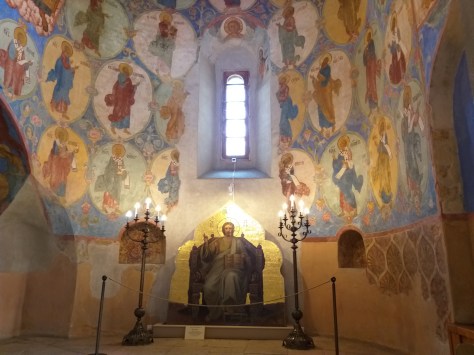
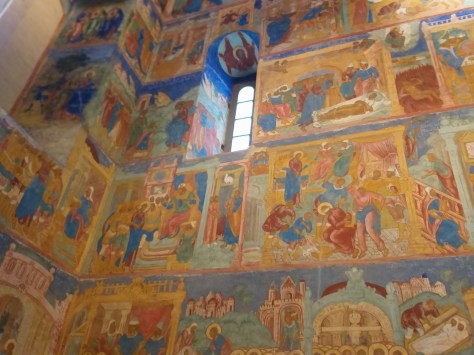
Hier gibt es – wie in Moskau – einen Kreml, mit einer sehenswerten russisch-orthodoxen Kirche im Zentrum:

20190514_101709

20190514_102129

20190514_102922

20190514_103457

20190514_103431

20190514_103530

Bekannt ist Susdal auch für die gut erhaltenen, noch immer bewohnten Holzhäuser:

und das Freiluftmuseum, in dem typische Holzhäuser der Region zusammengetragen und wieder aufgebaut wurden:

Leider können wir aus Zeitgründen nur einen Tag in Susdal verbringen. Danach geht es weiter nach Kasan. Am Stadtrand besuchen wir den „Tempel aller Religionen“:

Ein sympathisches privates Projekt, angesichts der realen Spannungen zwischen manchen Religionen, wirkt es aber leider auch etwas naiv, – nicht nur architektonisch:

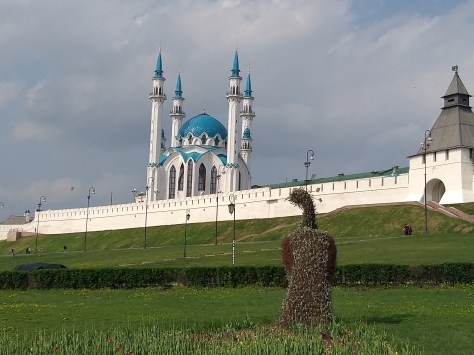
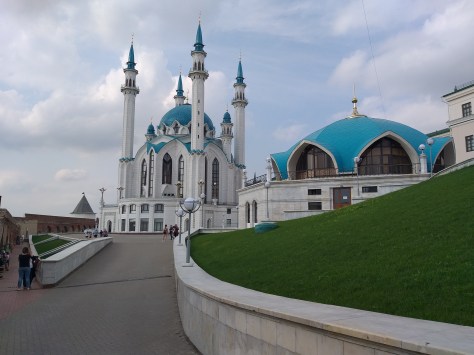
Wenn man sich dem Zentrum von Kasan nähert, ist schon von weitem der Kreml mit den Minaretten der Kul Scharif-Moschee zu sehen:

20190515_145812

20190515_150809

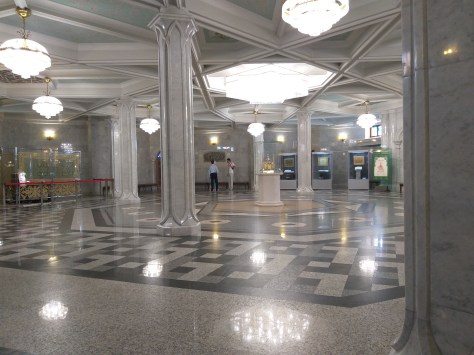
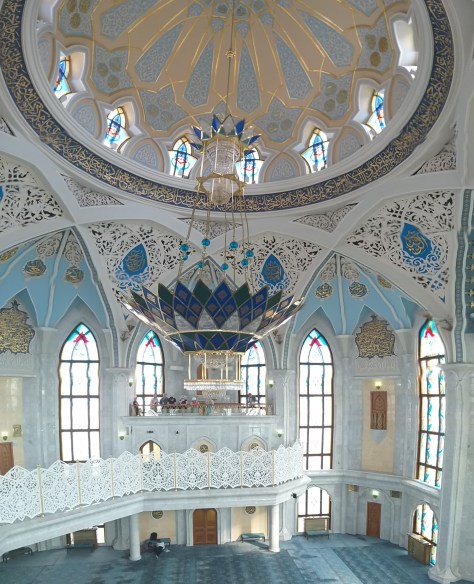
Auch als Tourist darf man die Moschee betreten und von einer Galerie aus das immense Innere bestaunen:

20190515_151313

20190515_152157

Das nächste Ziel ist Jekatarinburg. Auf dem Weg dorthin machen wir noch kurz Station in Perm und besichtigen eine Eishöhle. Vielleicht liegt es ja am Klimawandel, dass von Eis eigentlich nicht viel zu sehen ist. Da wir von der russisch-sprachigen Führung leider auch kein Wort verstehen, sind wir insgesamt eher enttäuscht; aber ein paar schöne Bilder sind doch geblieben:

Jekaterinburg ist der Ort, an dem der letzte Zar mit seiner Frau und den fünf Kindern in einer Erzgrube erschossen wurde. Heute steht dort ein sehr gepflegter Wald und an jeder Stelle, an der eines der Opfer gefunden wurde, hat man eine Kirche zu deren Gedenken errichtet. – Mich hat der Ort und die Ruhe, die er ausstrahlt sehr beeindruckt. Ein bärtiger alter Russe, dem ich in den frühen Morgenstunden dort begegnet bin, versuchte mir irgendetwas, was ihn sehr bewegte, mit zitternder Stimme zu erklären. Als ich immer wieder deutlich machte, dass ich ihn nicht verstehe und aus Germania komme, sprach er einfach weiter, benutzte auch immer wieder das russische Wort für Deutschland – Germanyia – und begann schließlich zu weinen. Schließlich umarmten wir uns und … nun ja, mir kamen auch die Tränen, auch wenn ich bis heute nicht weiß, was der alte Mann mir erzählen wollte.

Noch vor Jekaterinburg führt die Straße im Ural an einem Denkmal vorbei, das die Stelle markiert, an der die Grenze zwischen Europa und Asien liegt; ein markanter Ort, an dem sich gerne auch mal Hochzeitsgesellschaften treffen:

Español

De Moscú a los Urales Rusia

Russia es bastante grande; en cualquier caso, mucho más extenso de lo que habíamos imaginado. Los números son demasiado abstractos para describir las distancias que te esperan en este vasto país: Sólo desde Moscú hasta Jekatarinburg en los Urales, hay casi 2000 km. Y eso es solo el comienzo.

Karte bis Ural

En el camino hacemos una primera parada en Suzdal. Nunca antes había oído hablar de este lugar, como debo confesar, pero la ciudad es idílica y muy impresionante:

Hay, como en Moscú, un Kremlin, con una iglesia ortodoxa rusa en el centro, que vale la pena ver:

20190514_101709

20190514_102129

20190514_102922

20190514_103457

20190514_103431

20190514_103530

Suzdal también es conocida por las casas de madera bien conservadas y todavía habitadas:

y el museo al aire libre, donde se recolectaron y reconstruyeron las típicas casas de madera de la región:

Desafortunadamente, debido a limitaciones de tiempo, solo podemos pasar un día en Suzdal. Luego continuamos a Kazan. En las afueras visitamos el „Templo de todas las religiones“.

Un proyecto privado simpático, pero – dadas las tensiones reales entre algunas religiones hoy día – también parece un poco ingenuo, no solo arquitectónicamente:

Si te acercas al centro de Kazan, ya puedes ver el Kremlin de esta ciudad con los minaretes de la Mezquita Kul Sharif desde lejos:

20190515_145812

20190515_150809

Incluso como turista puedes ingresar a la mezquita y admirar el inmenso interior desde una galería para visitantes:

20190515_151313

20190515_152157

El siguiente destino es Ekaterimburgo. En el camino, hacemos una breve parada en Perm y visitamos una cueva de hielo. Quizás sea por el cambio climático que el hielo no es mucho para ver. Desafortunadamente, no entendemos ni una palabra del guía de habla rusa, por lo que estamos bastante decepcionados en general. Pero algunas imágenes bonitas han permanecido:

Ekaterimburgo es el lugar donde el último Zar con su esposa y cinco hijos fueron ejecutado en el pozo de una mina de hierro. Hoy en día hay un bosque muy bien cuidado en este lugar y en cada punto donde se encontró una de las víctimas, han construido una iglesia en su memoria.

Me impresionó mucho el lugar y la tranquilidad que irradia. Un viejo ruso barbudo, a quien conocí en las primeras horas de la mañana, trató de explicarme algo que le conmovió mucho con voz temblorosa. Cuando dejé en claro que no lo entendía y venía de “Germania”, él siguió hablando, comenzó a llorar, siguió usando la palabra rusa para Alemania -Germanyia – y finalmente comenzó a llorar. Por fin nos abrazamos y … bueno, mis lágrimas vinieron a mí también, aunque todavía no sé lo que el viejo quería decirme.

Incluso antes de Ekaterimburgo, el camino en los Urales pasa un monumento que marca el punto donde se encuentra la frontera entre Europa y Asia; un lugar distintivo donde las bodas a menudo se encuentran.

English

From Moscow to the Urals

Russia is quite big; in any case, much more extensive than we had imagined. Numbers are too abstract to describe the distances that await you in this vast country: Just from Moscow to Jekatarinburg in the Urals, there are almost 2000 km. And that is only the beginning.

Karte bis Ural

On the way we make a first stop in Suzdal. I have never heard of this place before – as I must confess – but the town is idyllic and very impressive:

There is – as in Moscow – a Kremlin, with a worth seeing Russian Orthodox church in the center:

20190514_101709

20190514_102129

20190514_102922

20190514_103457

20190514_103431

20190514_103530

Suzdal is also known for the well-preserved, still inhabited wooden houses …

.. and the open-air museum, where typical wooden houses of the region were collected and rebuilt:

Unfortunately, due to time constraints, we can only spend one day in Suzdal. Then we continue to Kazan. On the outskirts we visit the „Temple of all religions“:

A pleasant private project, but it also seems a bit naive, not only architecturally, given the real tensions between some religions of today.

If you approach the center of Kazan, you can already see the Kremlin with the minarets of Kul Sharif Mosque from afar:

20190515_145812

20190515_150809Even as a tourist you may enter the mosque and admire the immense interior from a gallery:

20190515_151313

20190515_152157

The next destination is Jekatarinburg. On the way there we make a short stop in Perm and visit an ice cave. Perhaps it is because of climate change that that there is not much ice to see. Unfortunately, we do not understand a word of the Russian-speaking guide, so we are rather disappointed overall; but a few nice pictures have remained:

Yekaterinburg is the place where the last Tsar with his wife and five children was shot in a miner’s pit. Today there is a very well-kept forest and at each point where one of the victims was found, they have built a church in their memory. – I was very impressed by the place and the tranquility that it radiates. A bearded old Russian, whom I met there in the early morning hours, tried to explain to me something that moved him very much in a trembling voice. When I kept making it clear that I did not understand him and came from “Germania”, he just kept talking, started to cry, kept using the Russian word for Germany – Germanyia – and finally started to cry. Finally, we hugged each other and … well, tears came to me too, even though I still do not know what the old man wanted to tell me.

Shortly before Yekaterinburg, the road in the Urals passes a monument marking the point where the border between Europe and Asia lies; a distinctive place where wedding parties often meet:

St. Petersburg und Moskau

Deutsch – EspañolEnglish

Aus welchen Gründen auch immer, auch nach Tagen in St. Petersburg kommt mir manchmal immer noch der alte Name „Leningrad“ über die Lippen. Dabei hat das moderne St. Petersburg so gar nichts mehr gemeinsam mit der alten Sowjetmetropole.

Hier ein Blick in ein bekanntes Spezialitätenrestaurant:

St. Petersburg ist eine – für mich – überraschend moderne und äußerst sehenswerte, wunderschöne Stadt, in die ich gerne noch einmal zurückkehren werde.

Hier einige Impressionen von den wichtigsten Sehenswürdigkeiten, die wir besucht haben, z.B. die Innenstadt, die ganz im Zeichen des bevorstehenden Nationalfeiertags steht, dem 9. Mai, dem Tag des Sieges im Großen Vaterländischen Krieg, dem Sieg über Hitlerdeutschland

20190505_104251

20190506_154231

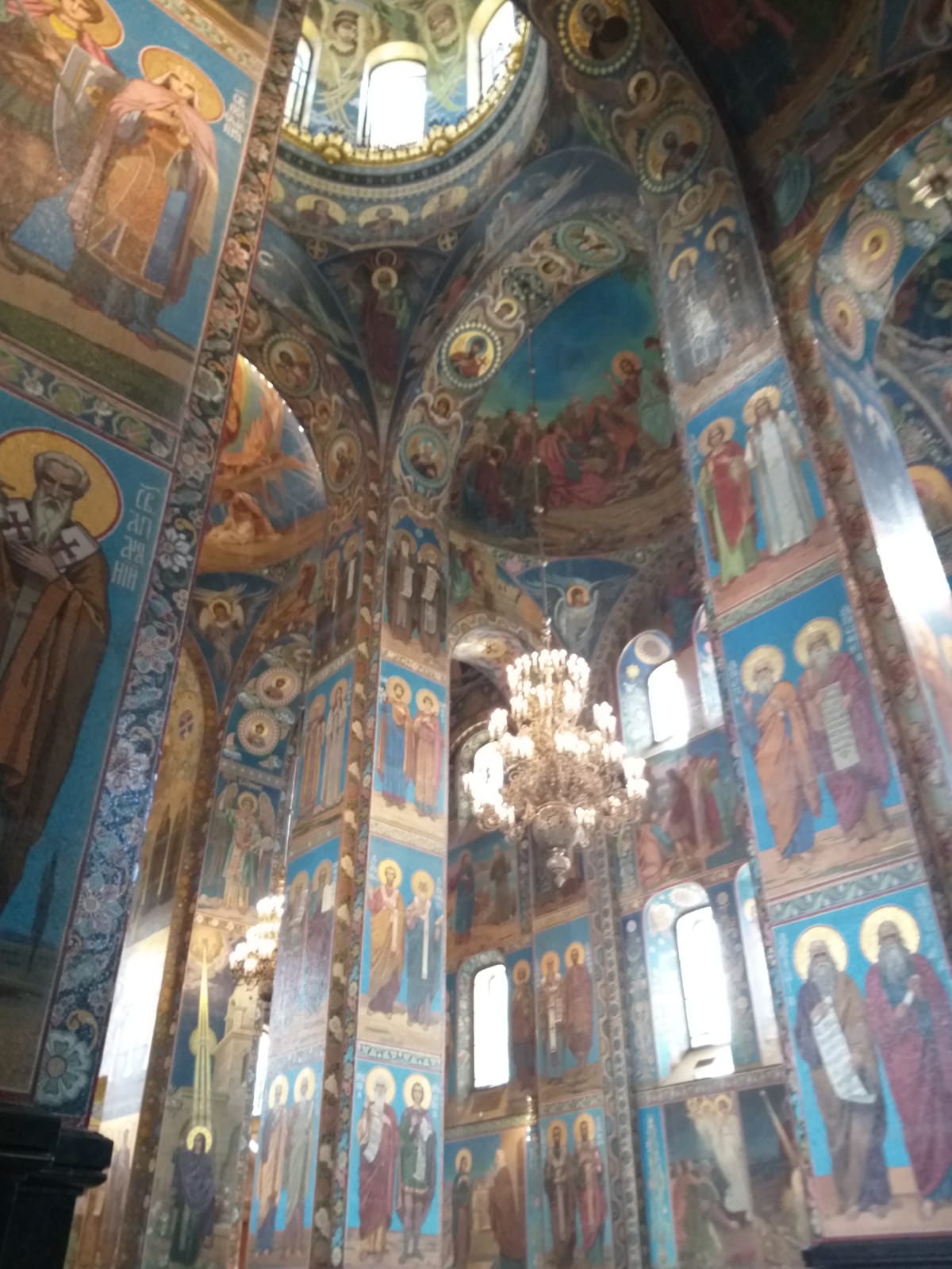
Sehr beeindruckend die Isaakskathedrale:

und die Blutskirche:

IMG-20190506-WA0001

IMG-20190506-WA0002

IMG-20190506-WA0004

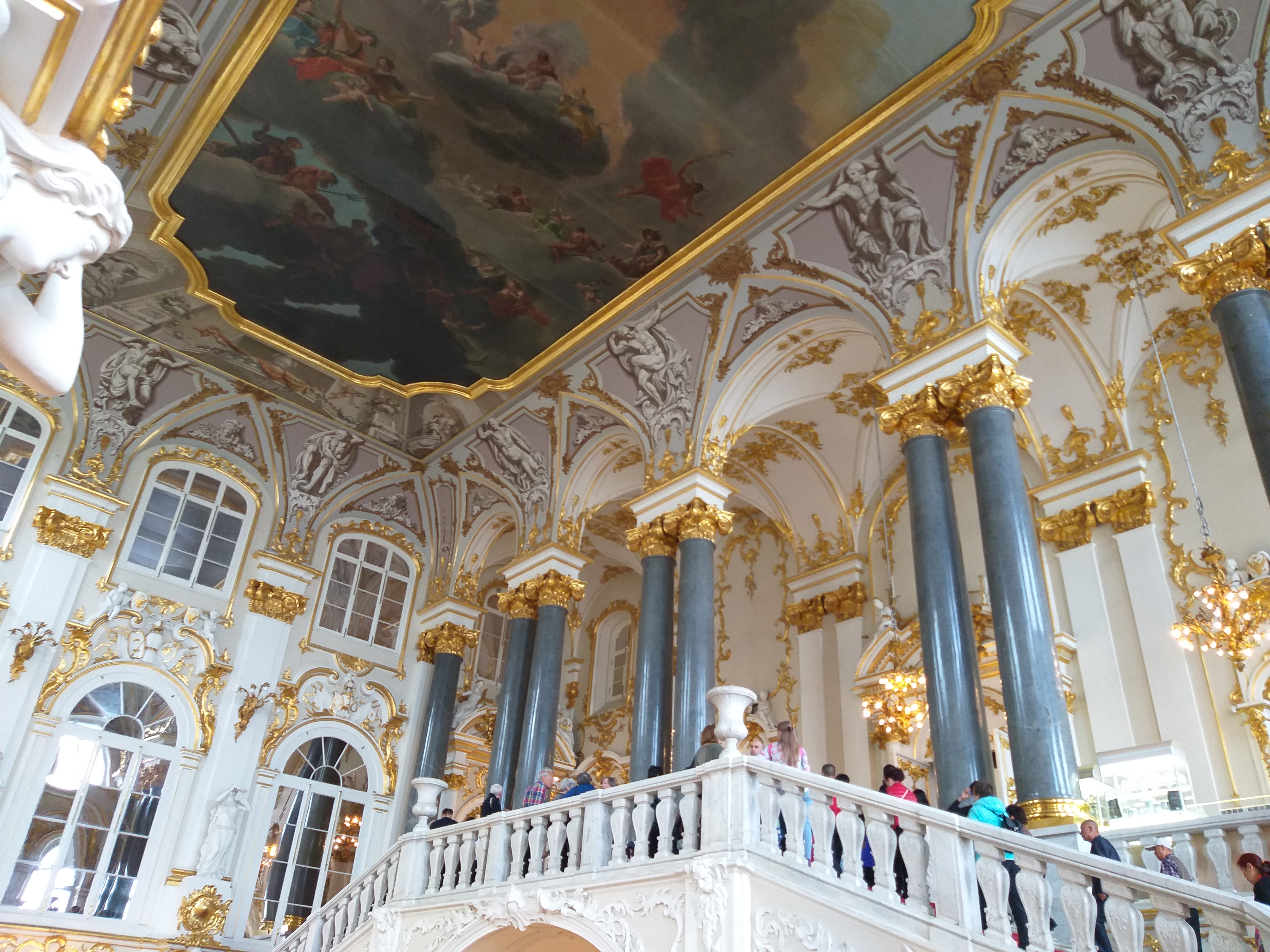
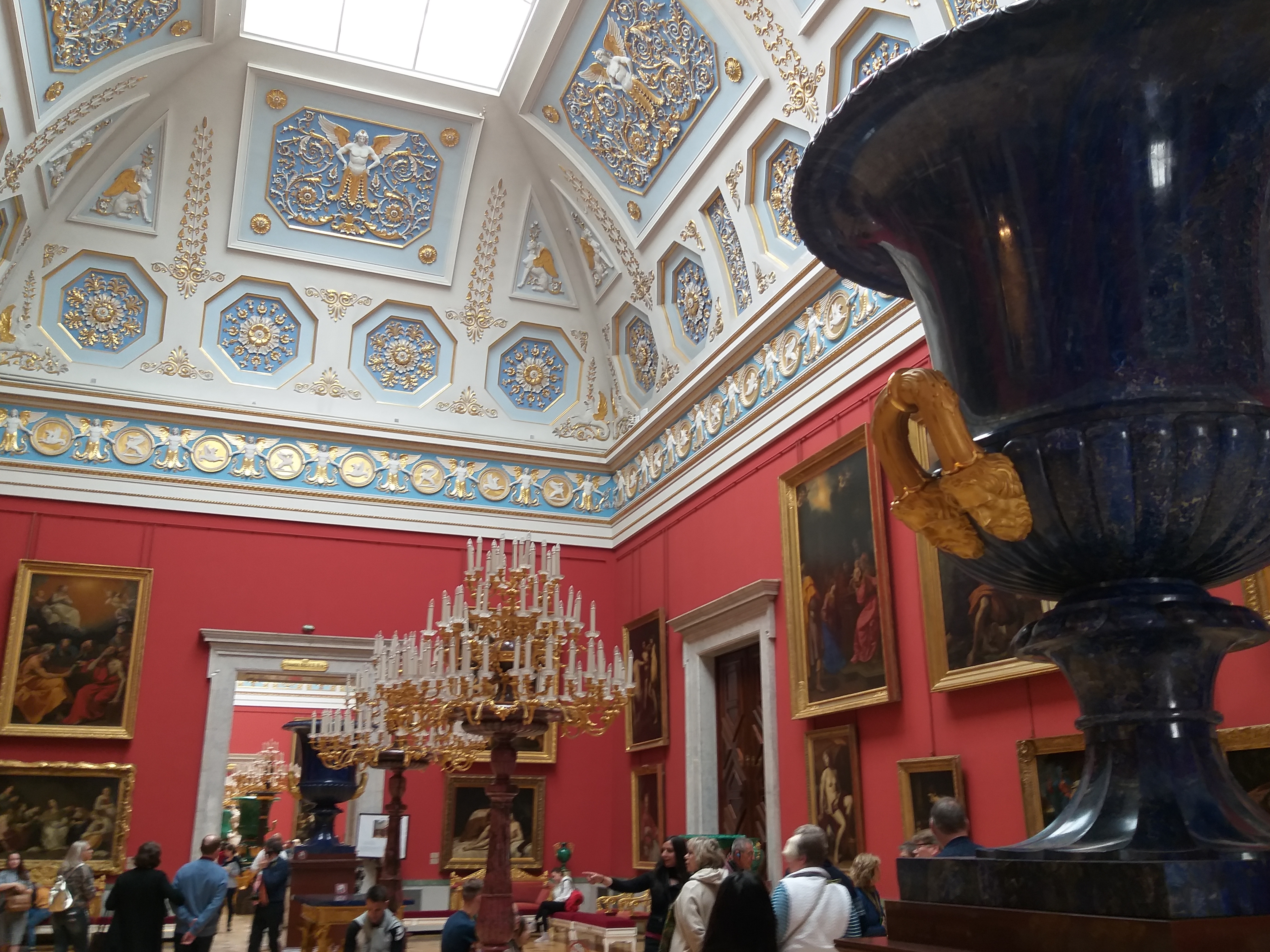
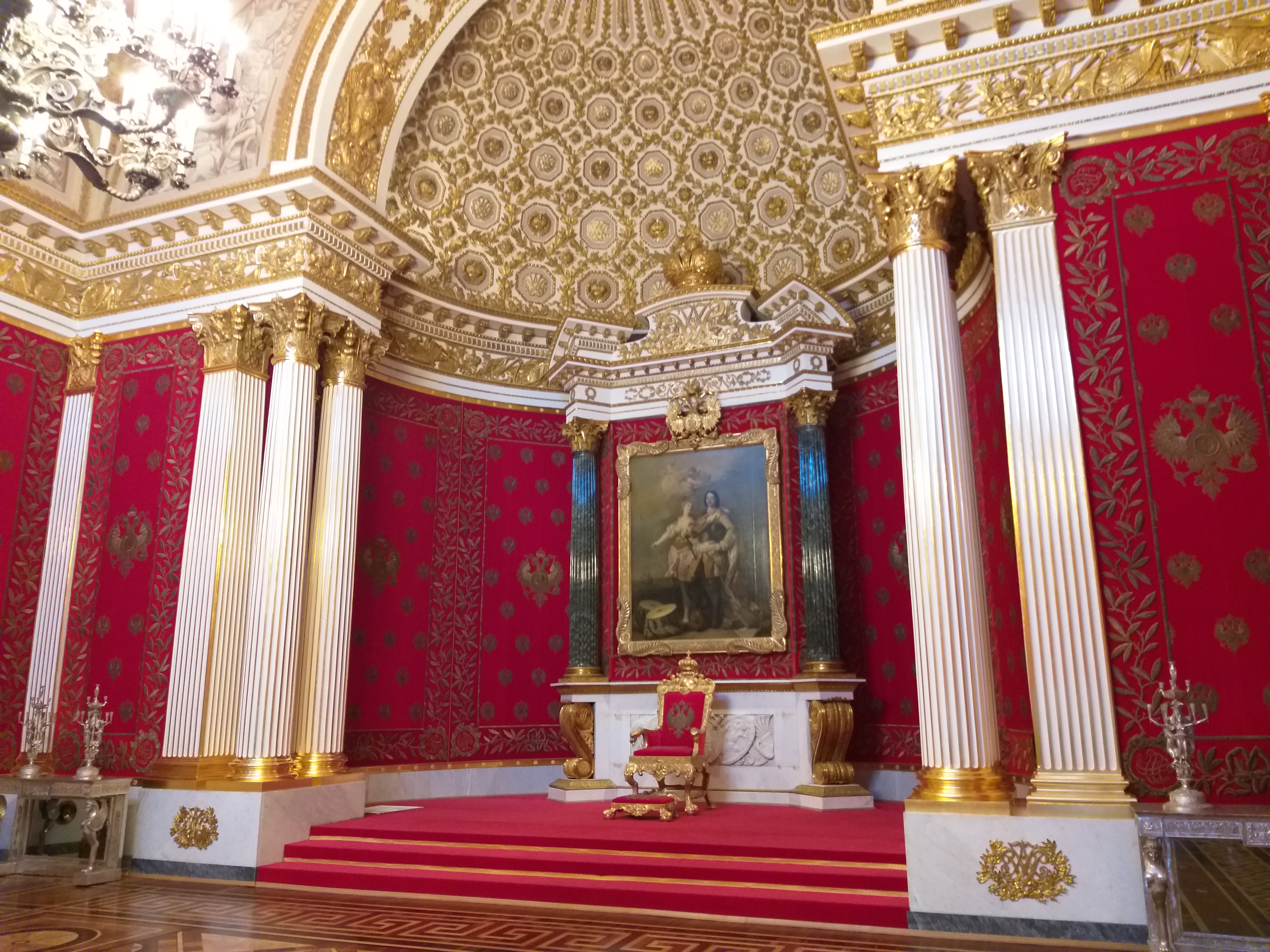
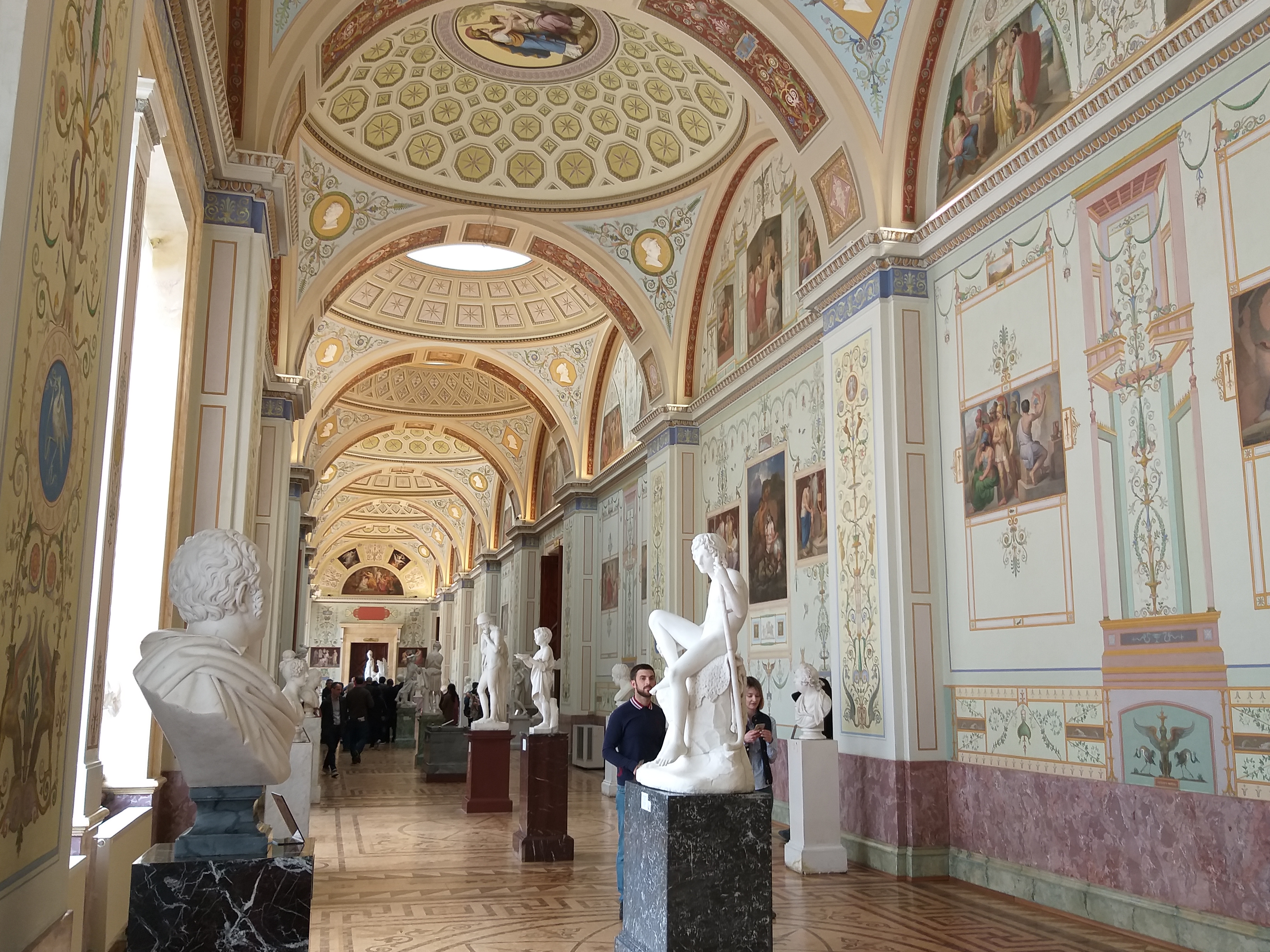
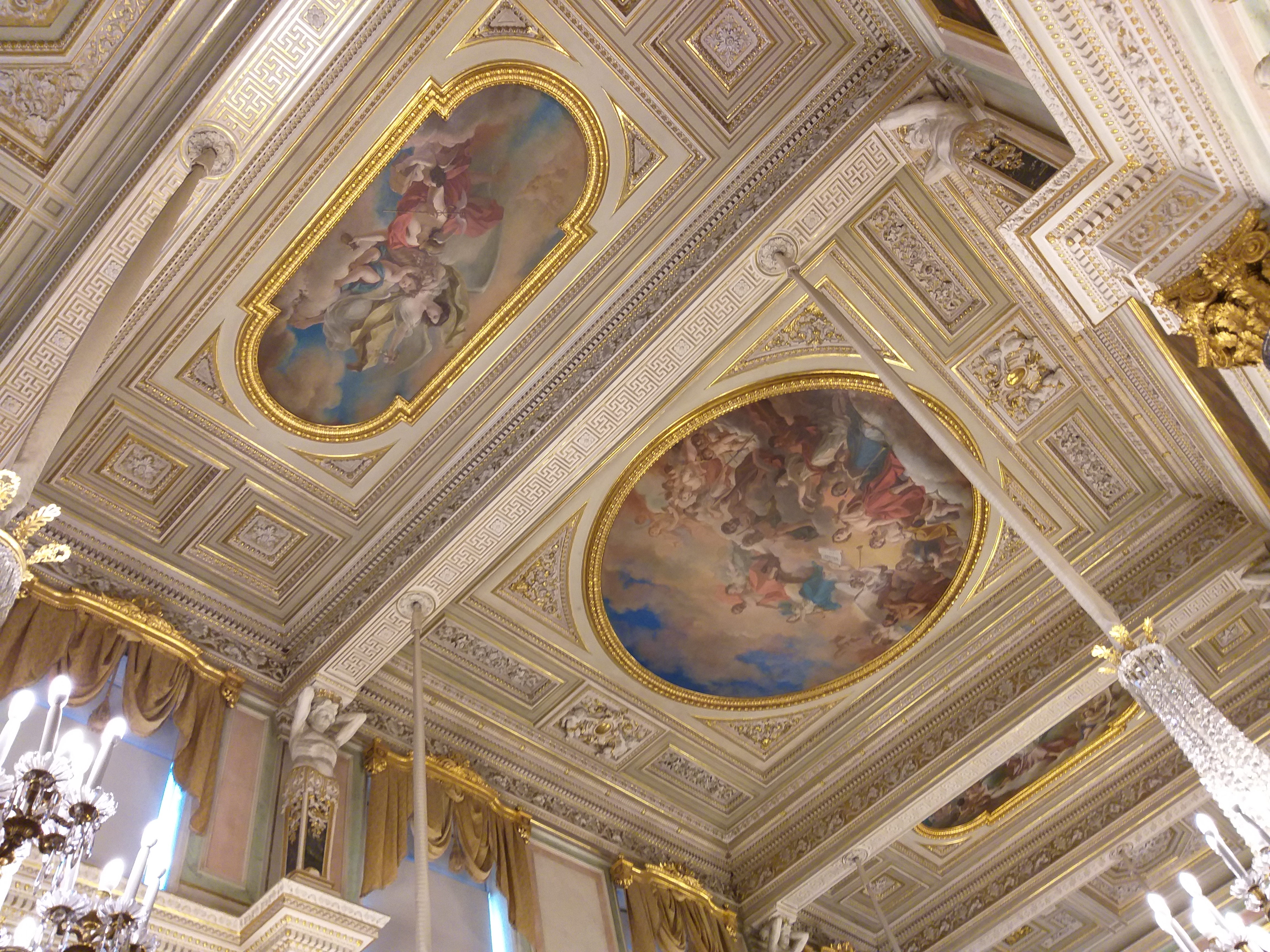
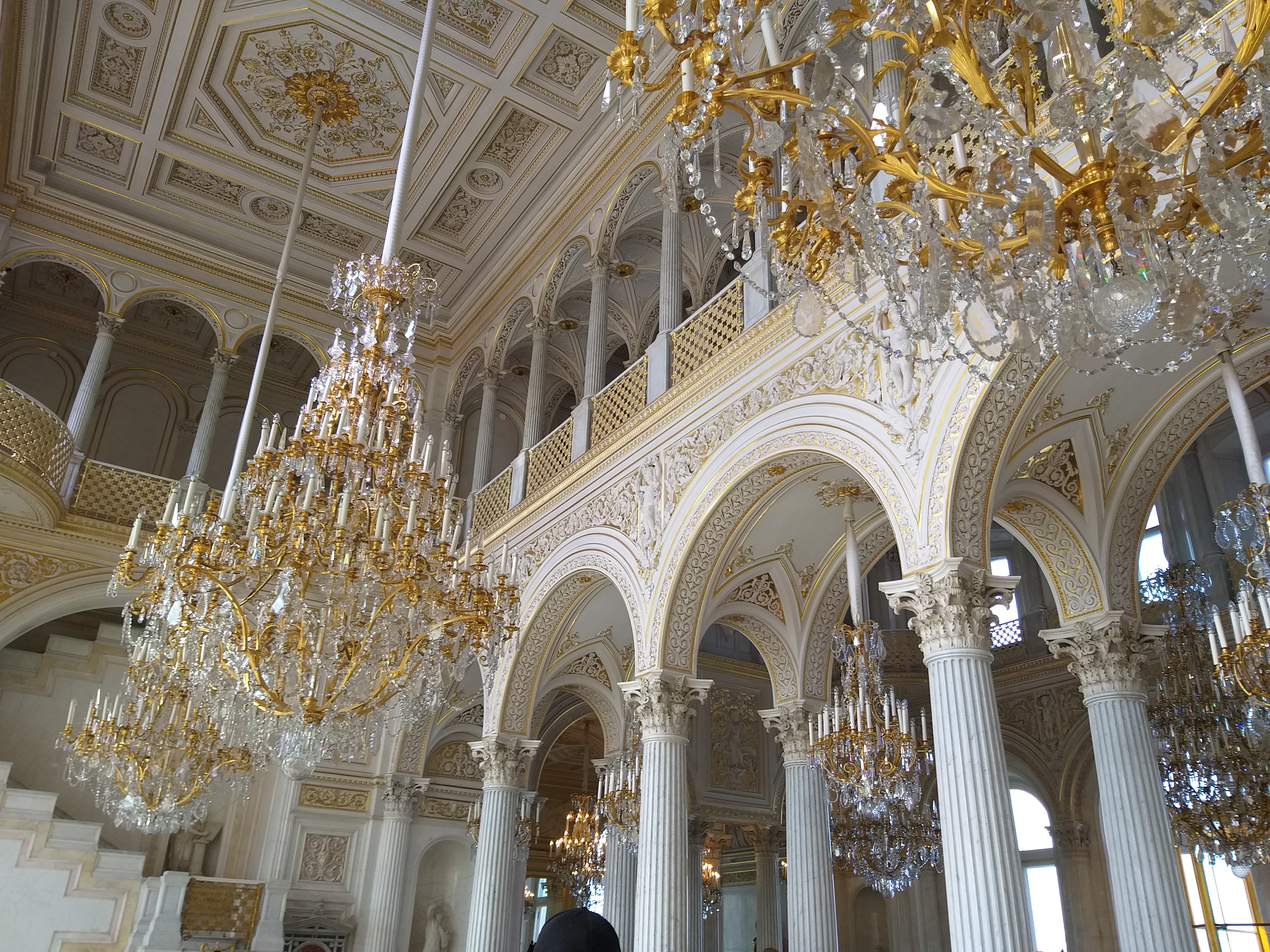
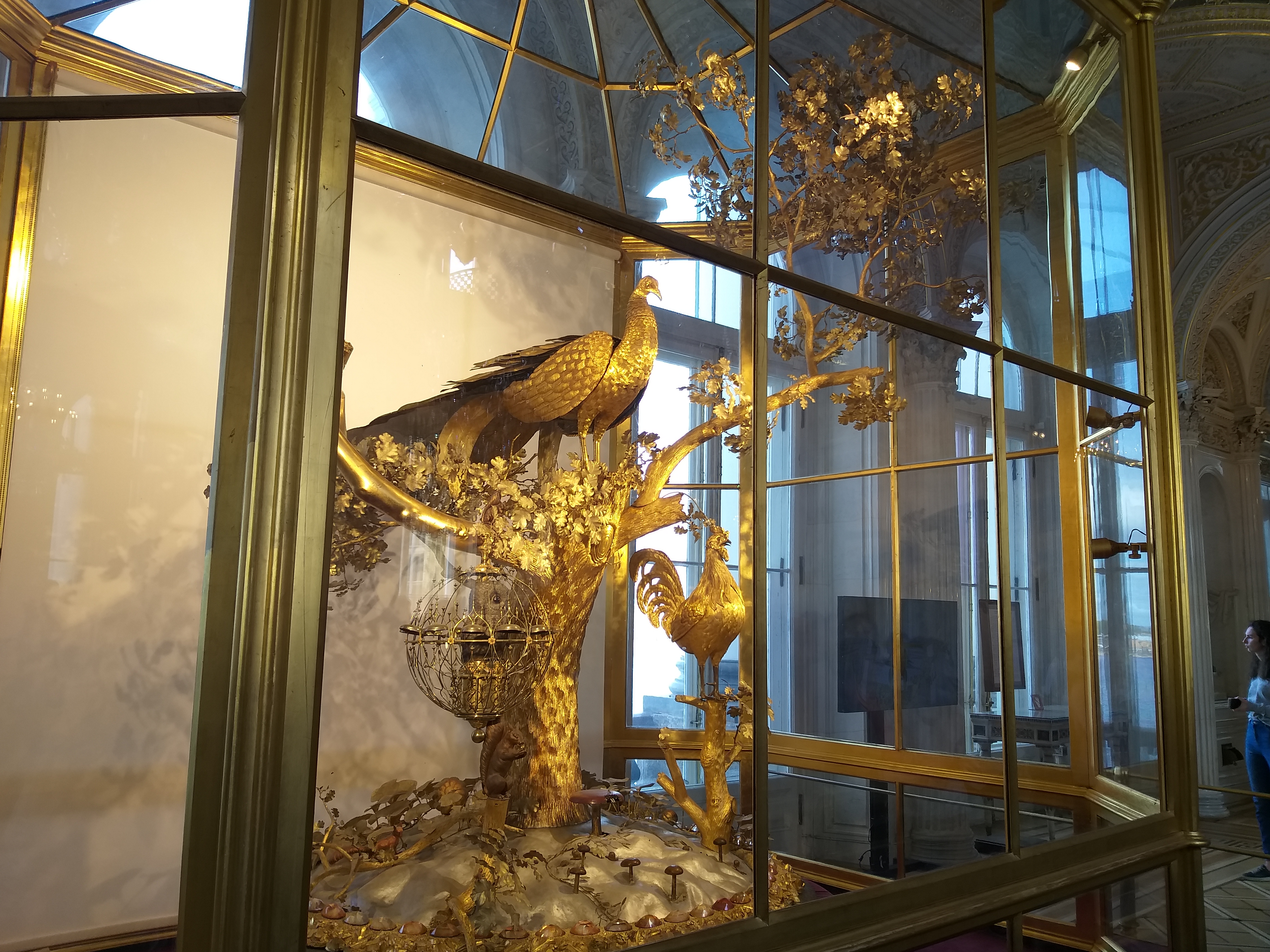
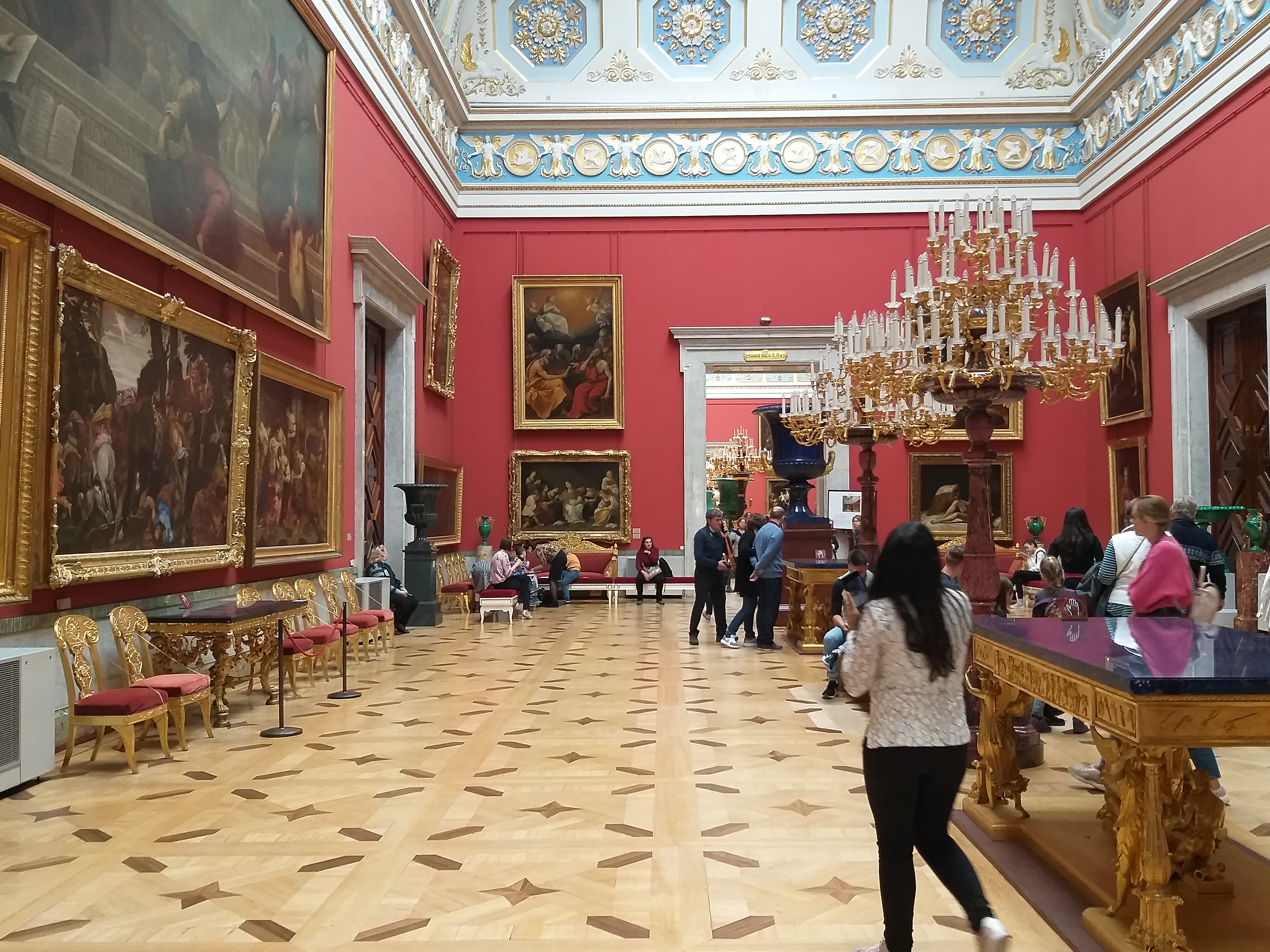
Die Eremitage; ein Prachtbau, in dem man Tage verbringen müsste, um alles halbwegs angemessen aufzunehmen und zu würdigen. Uns taten nach ein paar Stunden die Füße weh:

20190505_112202

20190505_112055

20190505_123749

20190505_112717

20190505_124455

20190505_122057

20190505_114918

20190505_114639

20190505_123755

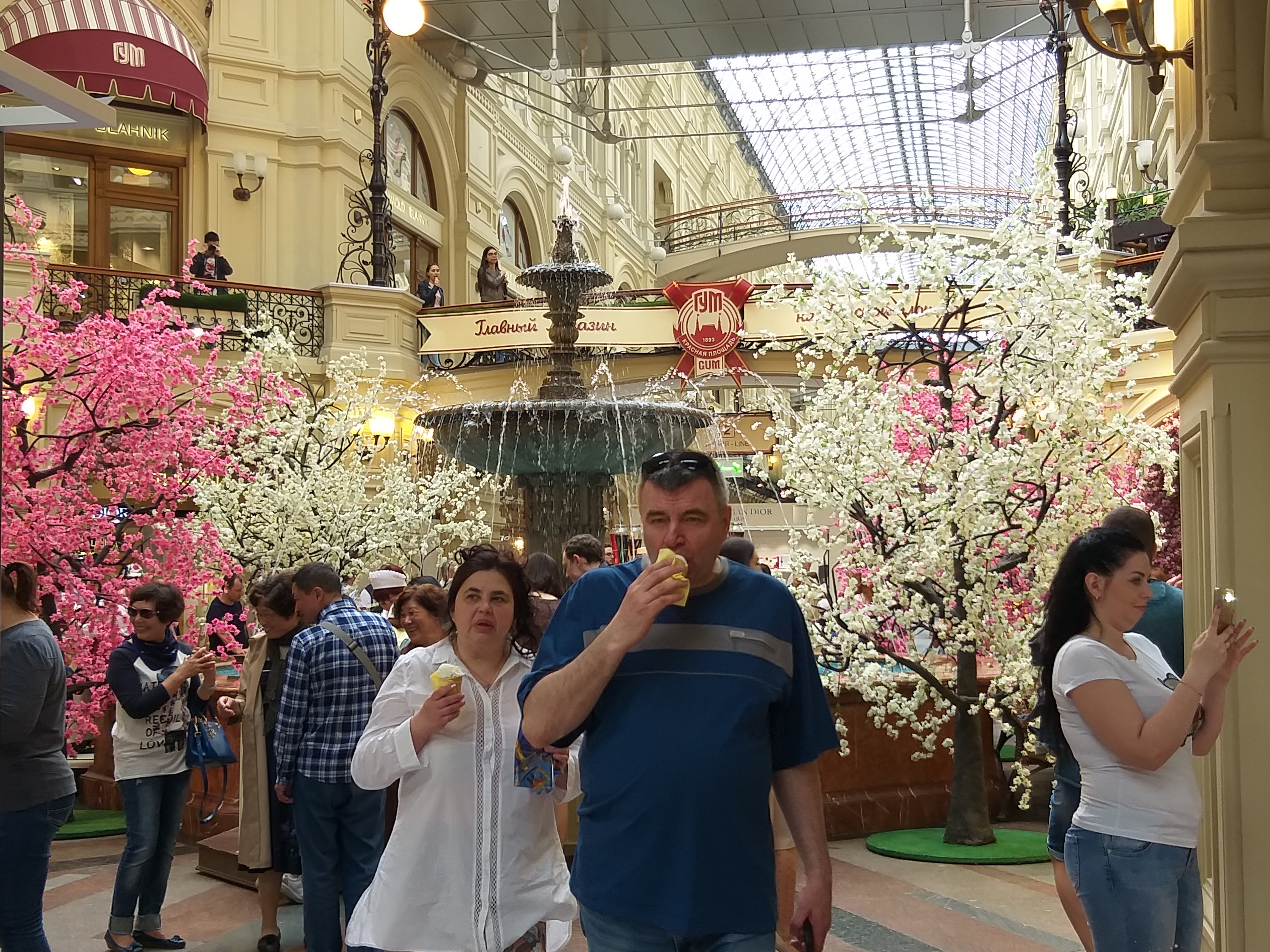
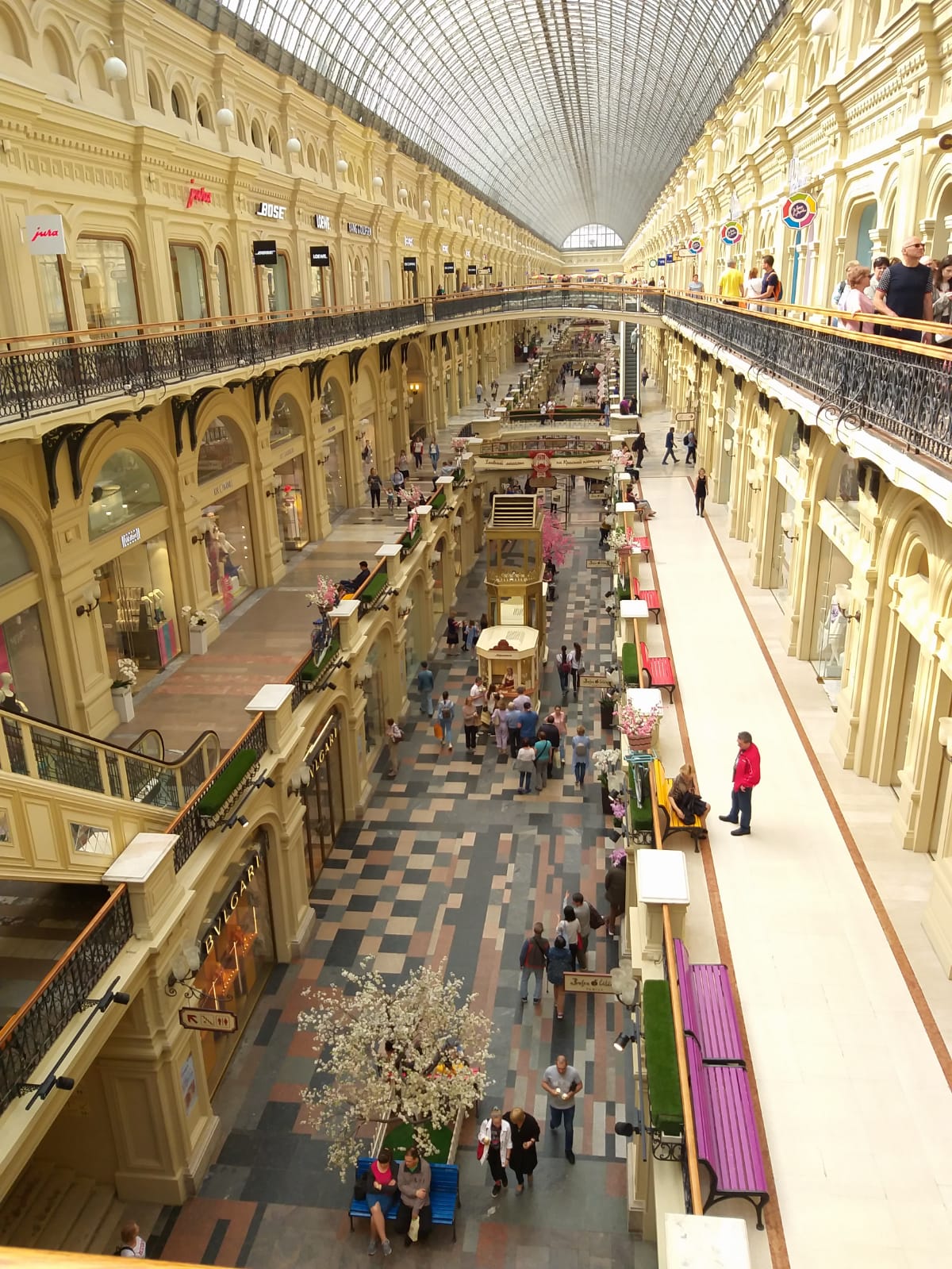
Auch Moskau ist heute eine moderne Großstadt, die alles zu bieten hat, was eine Hochburg des Tourismus heutzutage vorzuweisen hat: Überwältigende sakrale und weltliche Bauten, ein architektonisch beeindruckendes Kaufhaus, das „GUM“ mit Luxuswaren aus aller Welt und ein reges kulturelles Leben.

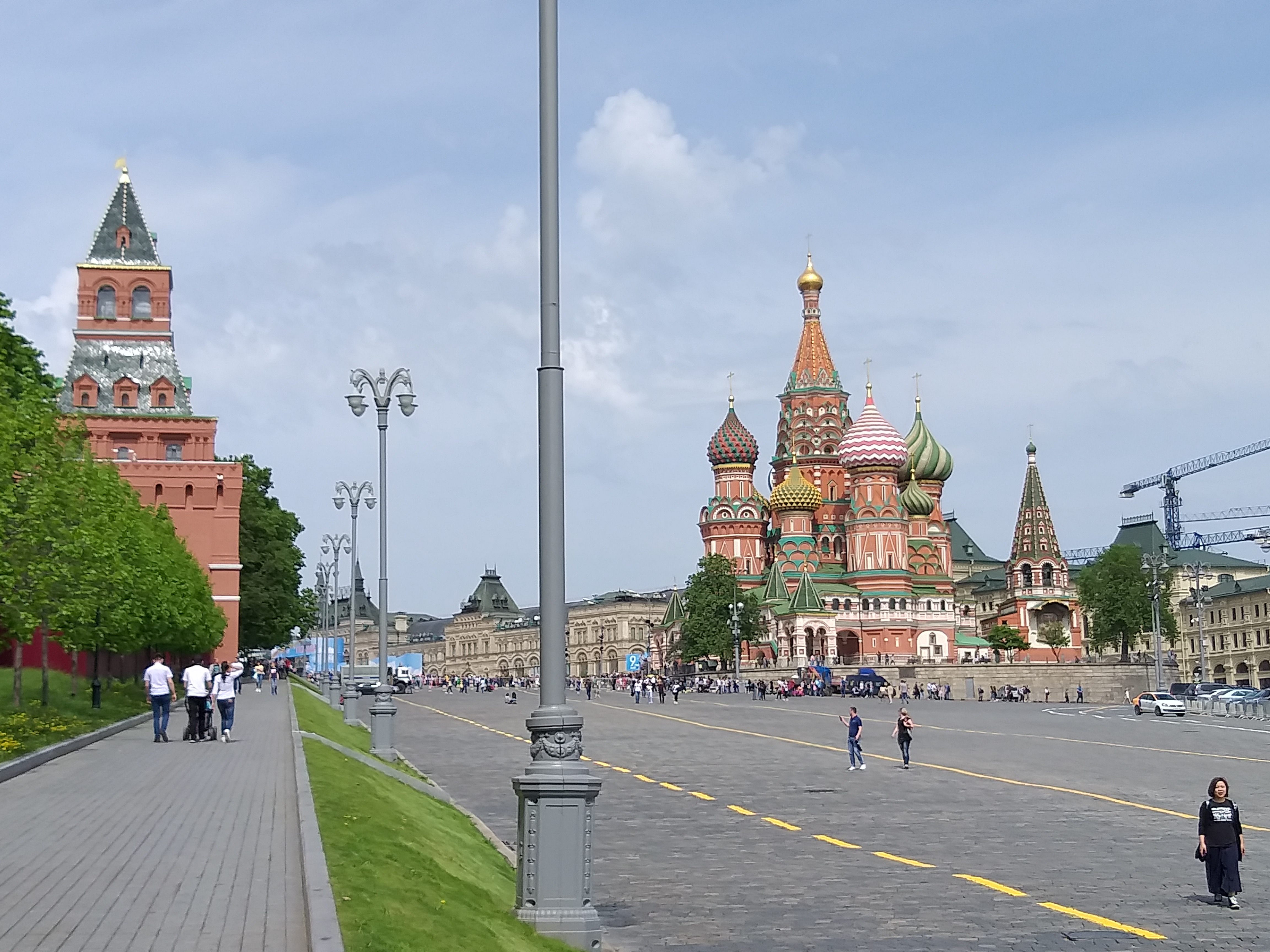
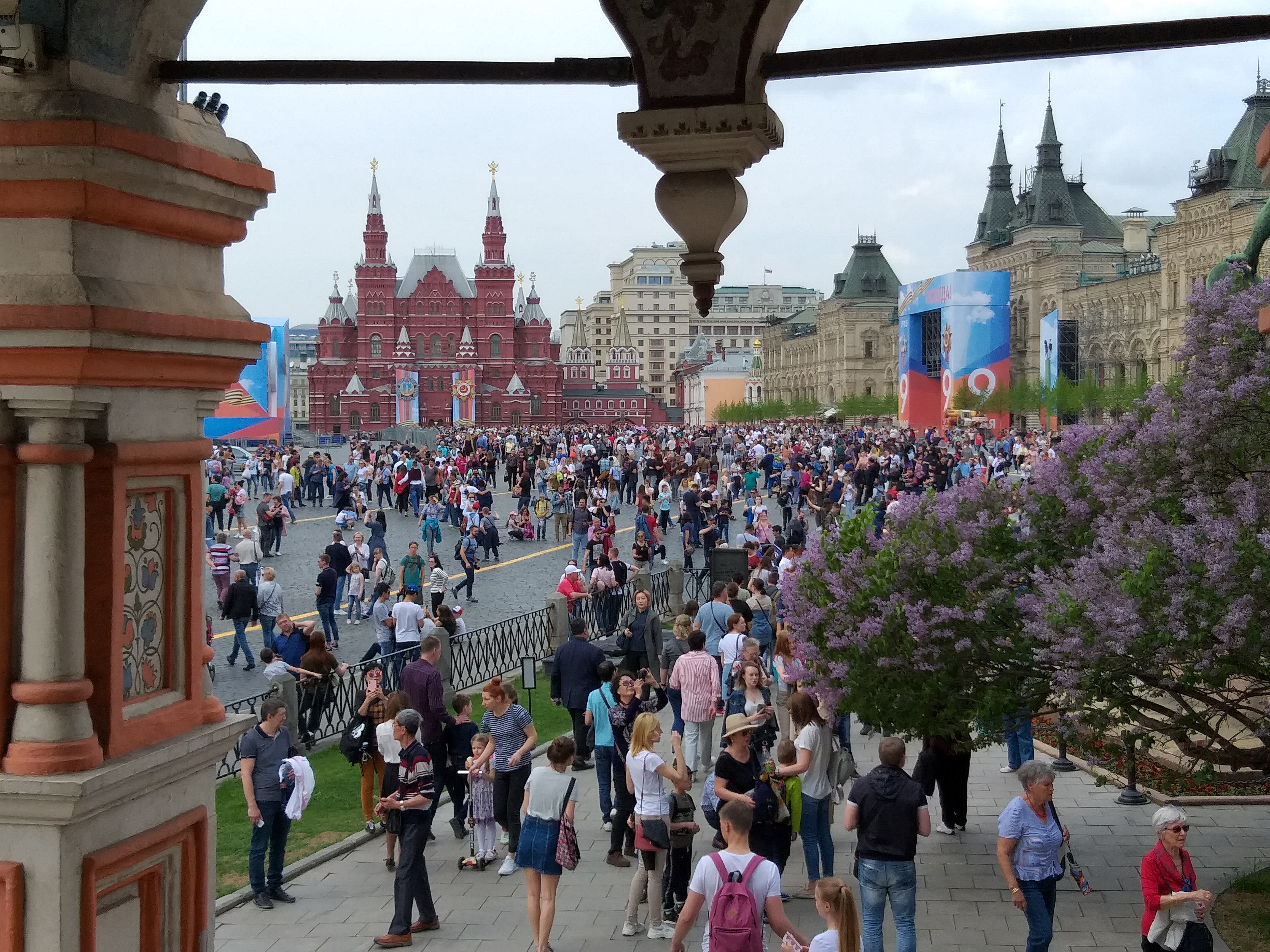
Der Rote Platz

20190510_120007

20190510_135615
Mit ein paar Touristen

und die Basilius Kathedrale

Der Kreml:

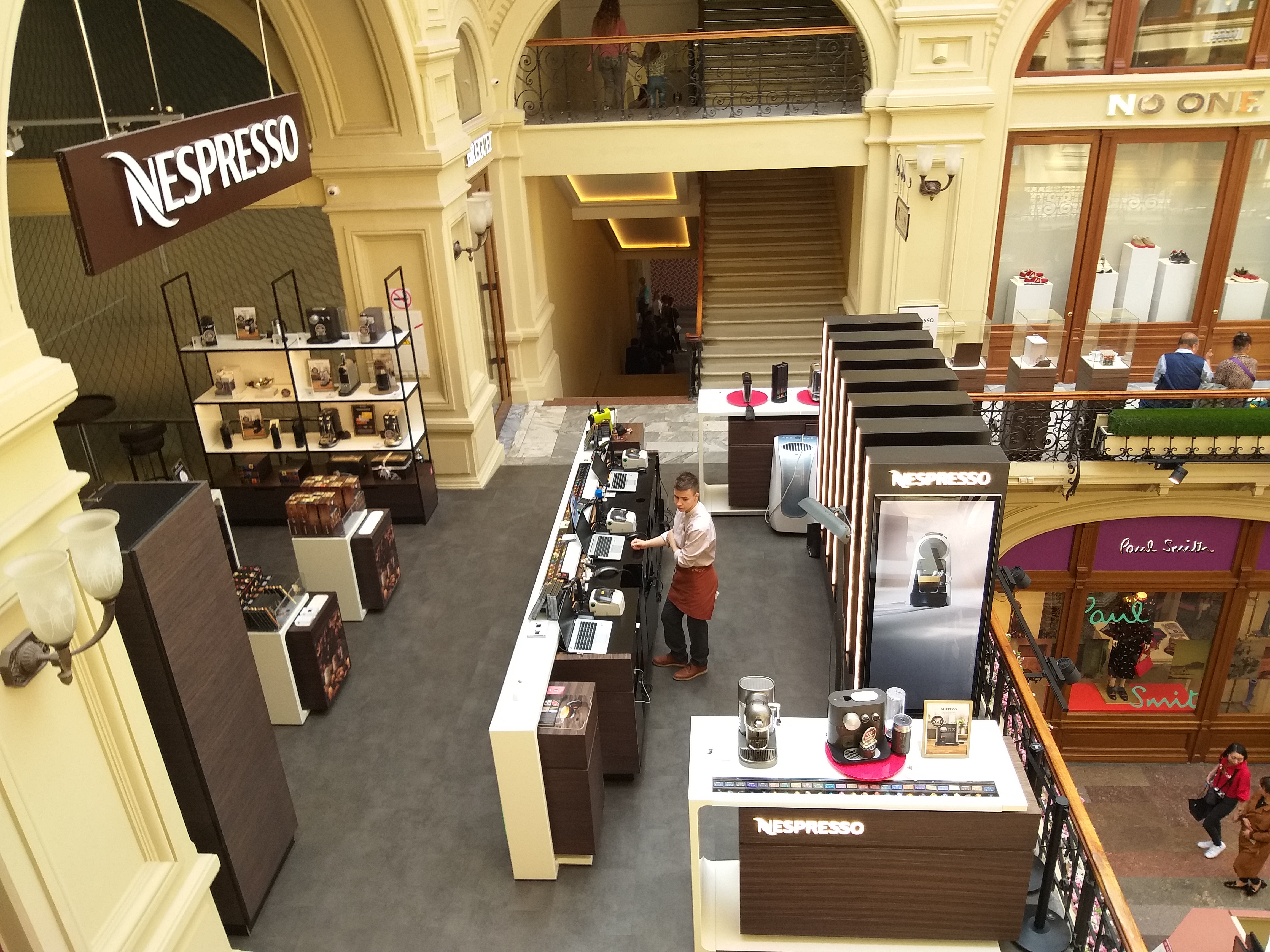
Das Kaufhaus GUM

20190510_124737

20190512_145805

IMG-20190512-WA0042

IMG-20190512-WA0043

Español

San Petersburgo y Moscú

Por la razón que sea, incluso después de días en San Petersburgo, el antiguo nombre de „Leningrado“ a veces todavía aparece en mis labios. Sin embargo, la moderna San Petersburgo no tiene nada en común con la antigua metrópolis soviética.

Acá hay una mirada a un conocido restaurante de especialidades en el centro:

San Petersburgo es, para mí, una ciudad sorprendentemente moderna y extremadamente hermosa y hermosa, en la que me gustaría volver otra vez.

Aquí hay algunas impresiones de las principales atracciones que visitamos, por ejemplo el centro de la ciudad, donde se trata todo sobre el próximo feriado nacional, el 9 de mayo, el día de la victoria en la Gran Guerra de Patria, la victoria sobre Hitler Alemania.

20190505_104251

20190506_154231

Muy impresionante La catedrál de San Isaac:

y La Iglesia de sangre;

IMG-20190506-WA0001

IMG-20190506-WA0002

IMG-20190506-WA0004

La Ermita; un magnífico edificio en el que habría que pasar días para absorber y apreciar todo lo que sea razonablemente apropiado. Nuestros pies duelen después de unas horas:

20190505_112202

20190505_112055

20190505_123749

20190505_112717

20190505_124455

20190505_122057

20190505_114918

20190505_114639

20190505_123755

Hoy en día, Moscú también es una metrópolis moderna que tiene todo lo que un baluarte turístico puede ofrecer hoy en día: abrumadores edificios sagrados y seculares, una tienda departamental de arquitectura impresionante, el „GUM“ con artículos de lujo de todo el mundo y una vibrante vida cultural.

La Plaza Roja

20190510_120007

20190510_135615
Con unos turistas

y la Catedral de San Basilio.

El Kremlin:

La tienda GUM

20190510_124737

20190512_145805

IMG-20190512-WA0042

IMG-20190512-WA0043

English

St. Petersburg and Moscow

For whatever reason, even after days in St. Petersburg, the old name „Leningrad“ still sometimes comes over my lips. Yet modern St. Petersburg has nothing in common with the old Soviet metropolis.

Here is a look into a well-known speciality restaurant in the center of the city:

St. Petersburg is a – for me – surprisingly modern and extremely beautiful city, in which I would like to return again.

Here are some impressions of the main attractions we visited, e.g. the city center, which is all about the upcoming national holiday, the 9th of May, the day of the victory in the Great Patriotic War, the victory over Hitler’s Germany

20190505_104251

20190506_154231

Very impressive St. Isaac’s Cathedral:

and the Bloodchurch:

IMG-20190506-WA0001

IMG-20190506-WA0002

IMG-20190506-WA0004

The Hermitage; a magnificent building in which one would have to spend days to absorb and appreciate everything reasonably. Unfortunately our feet hurt after a few hours:

20190505_112202

20190505_112055

20190505_123749

20190505_112717

20190505_124455

20190505_122057

20190505_114918

20190505_114639

20190505_123755

Nowadays, Moscow is also a modern metropolis that has everything a tourism stronghold can offer today: overwhelming sacred and secular buildings, an architecturally impressive department store, the „GUM“ with luxury goods from all over the world and a vibrant cultural life.

The Red Square

20190510_120007

20190510_135615
With a couple of tourists

and St. Basil’s Cathedral

The Kremlin

The department store GUM

20190512_145805

IMG-20190512-WA0042

IMG-20190512-WA0043


Durch Polen und das Baltikum

Deutsch – EspañolEnglish

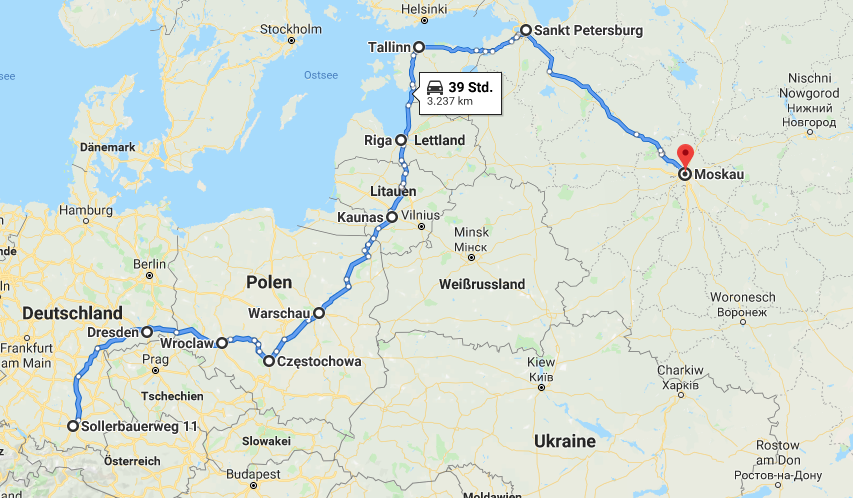
Inzwischen sind wir in Moskau angekommen. Hinter uns liegen die ersten 3500 km auf dem Weg nach Ulan Bataar, der Hauptstadt der Mongolei. Das ist weit mehr, als wir für diesen ersten Reiseabschnitt veranschlagt hatten:

Karte bis Moskau

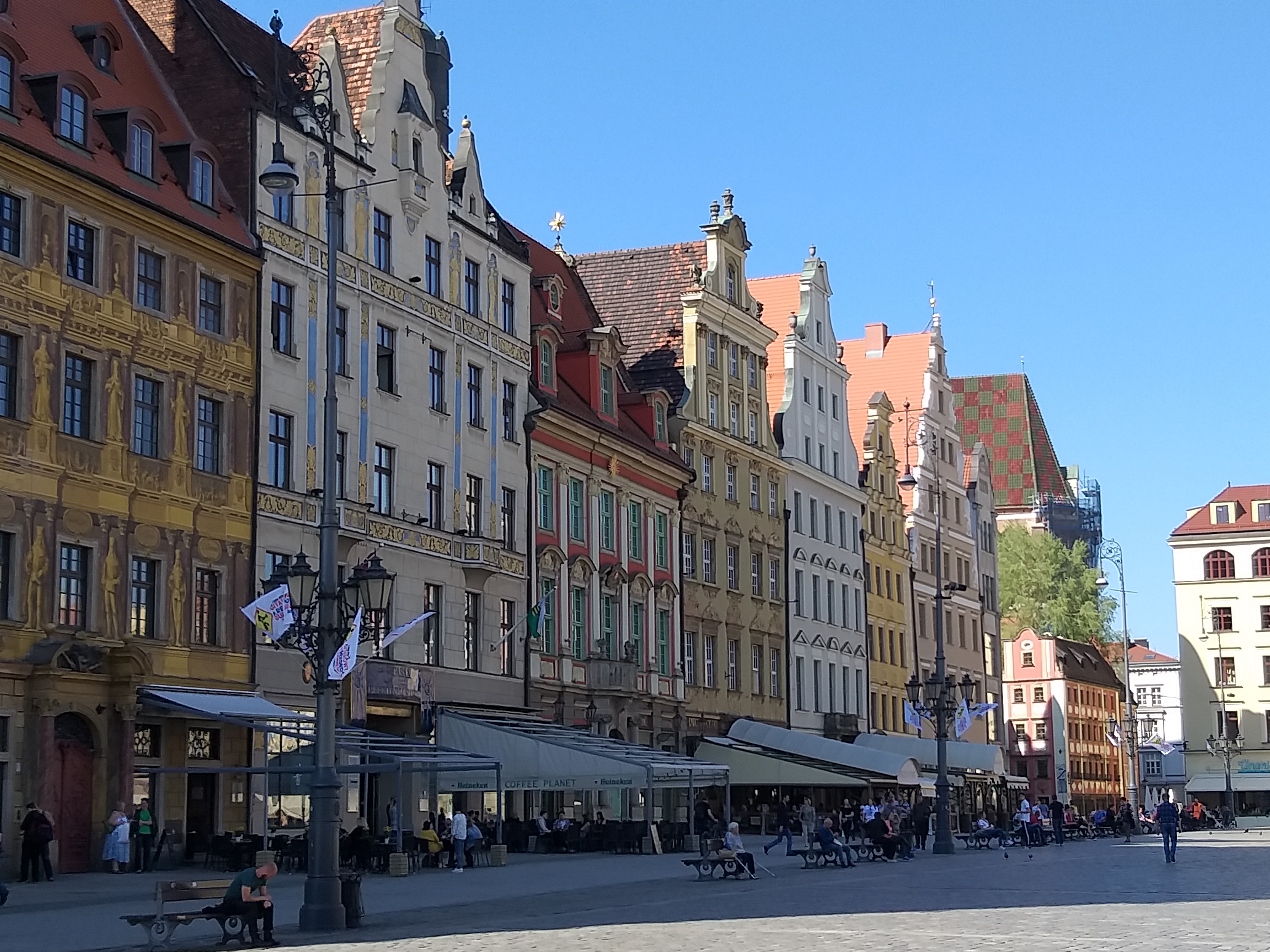
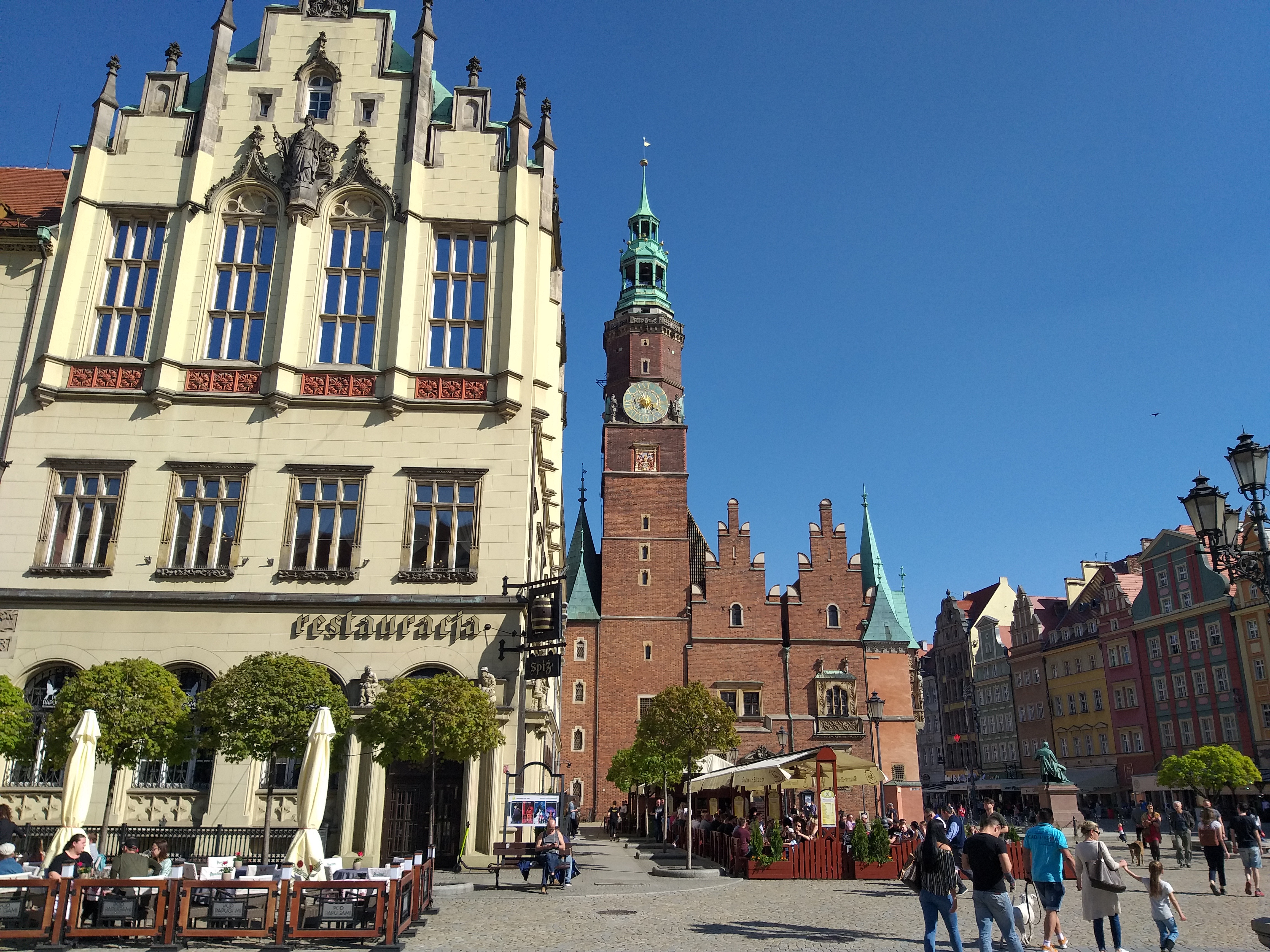
Aber die lange Fahrt hat sich gelohnt. Hier ein paar Impressionen aus den wichtigsten Städten, die wir in Polen besucht haben:

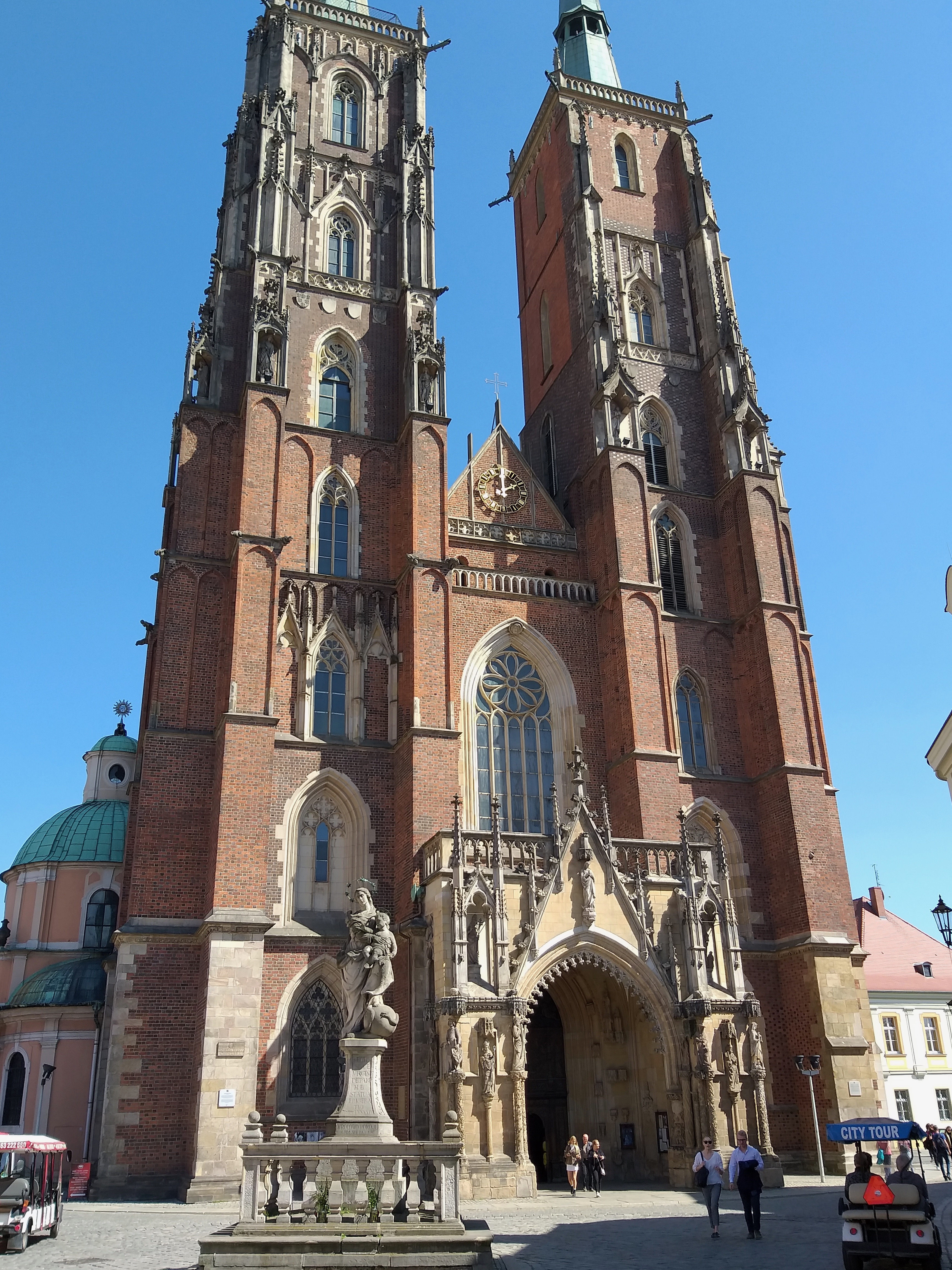
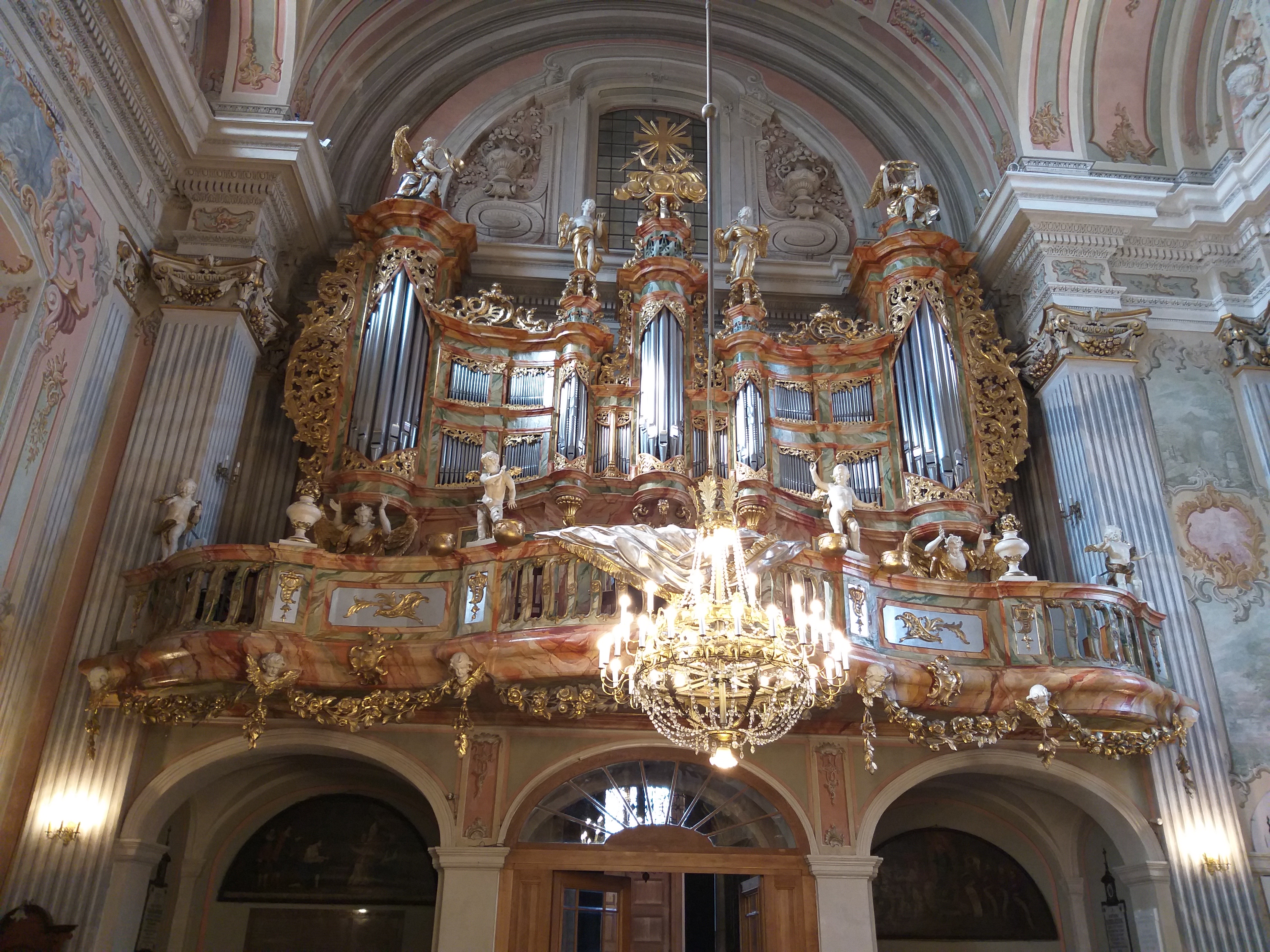
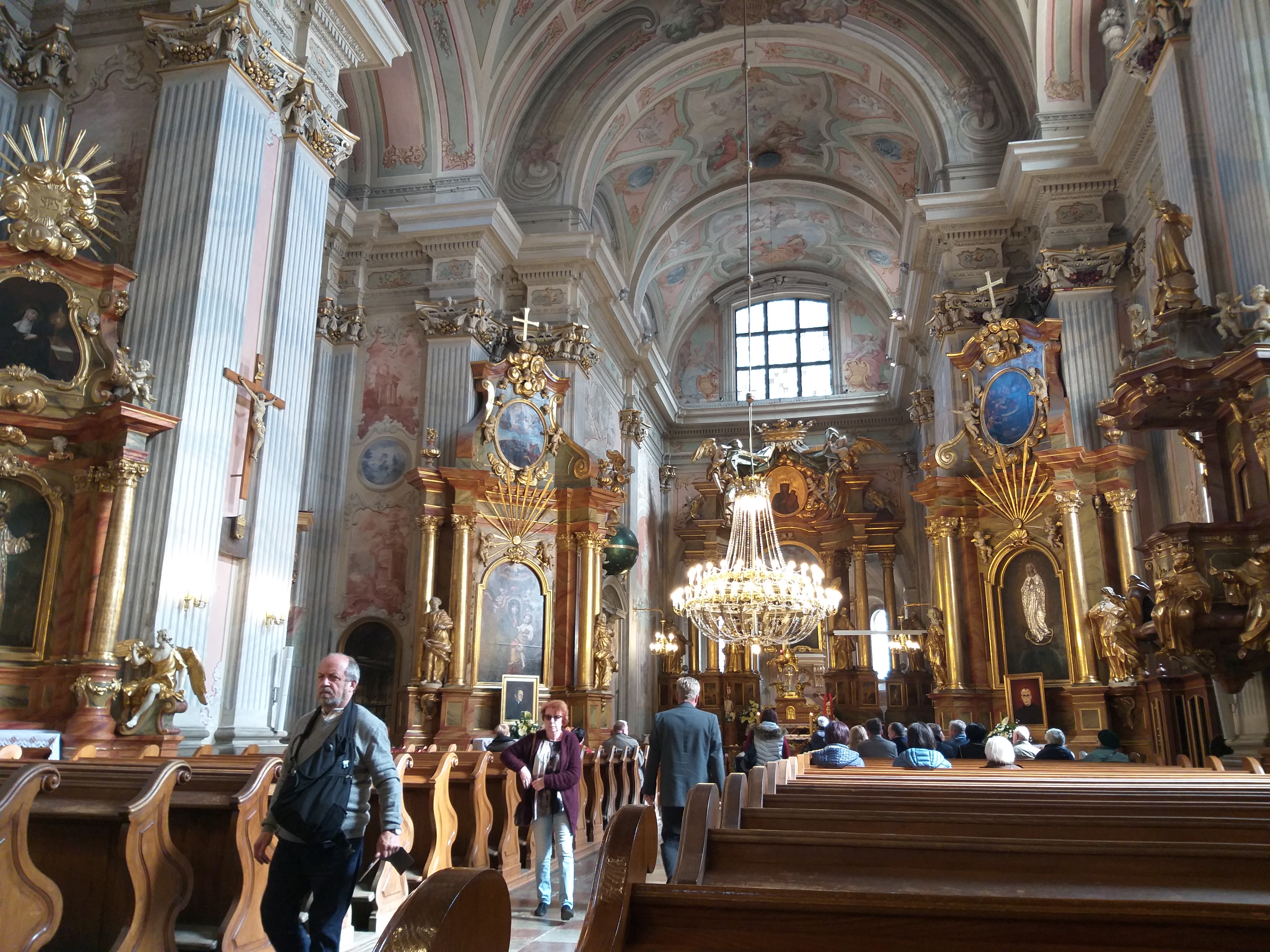
Breslau/Wroclaw:

20190419_154218

20190422_114950

20190419_153613

20190419_135938

20190422_114444

20190422_114027

20190419_134923

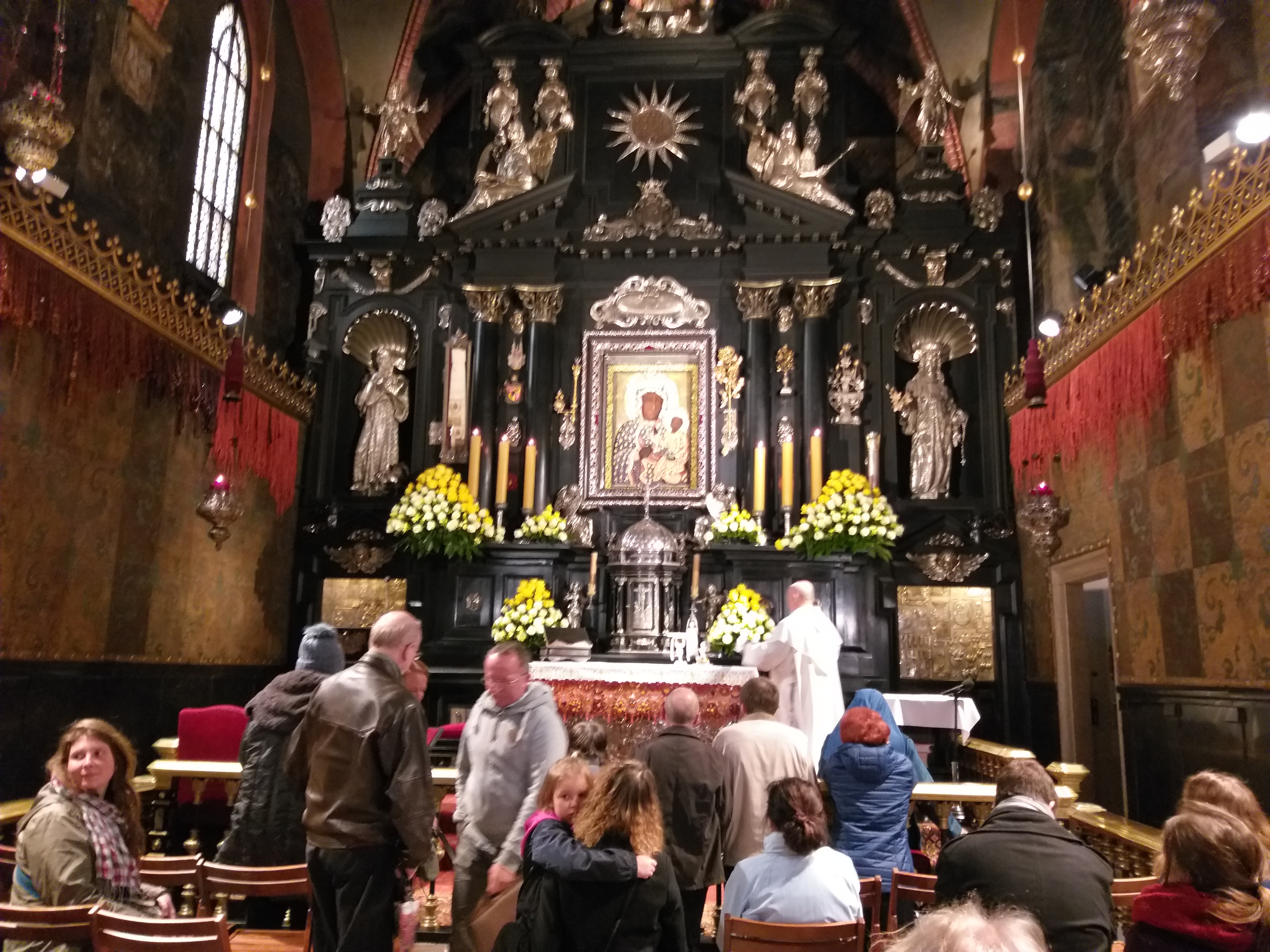
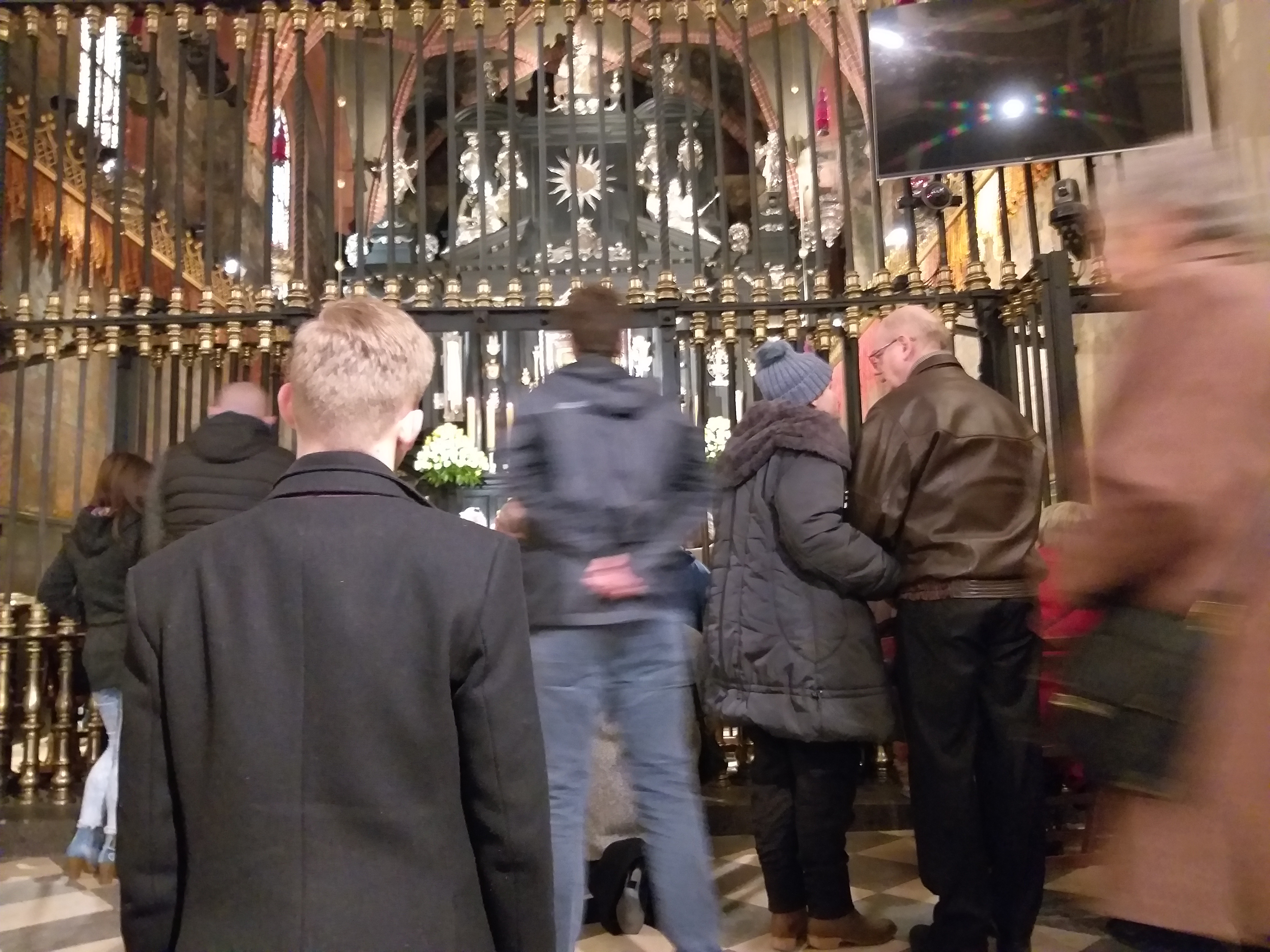
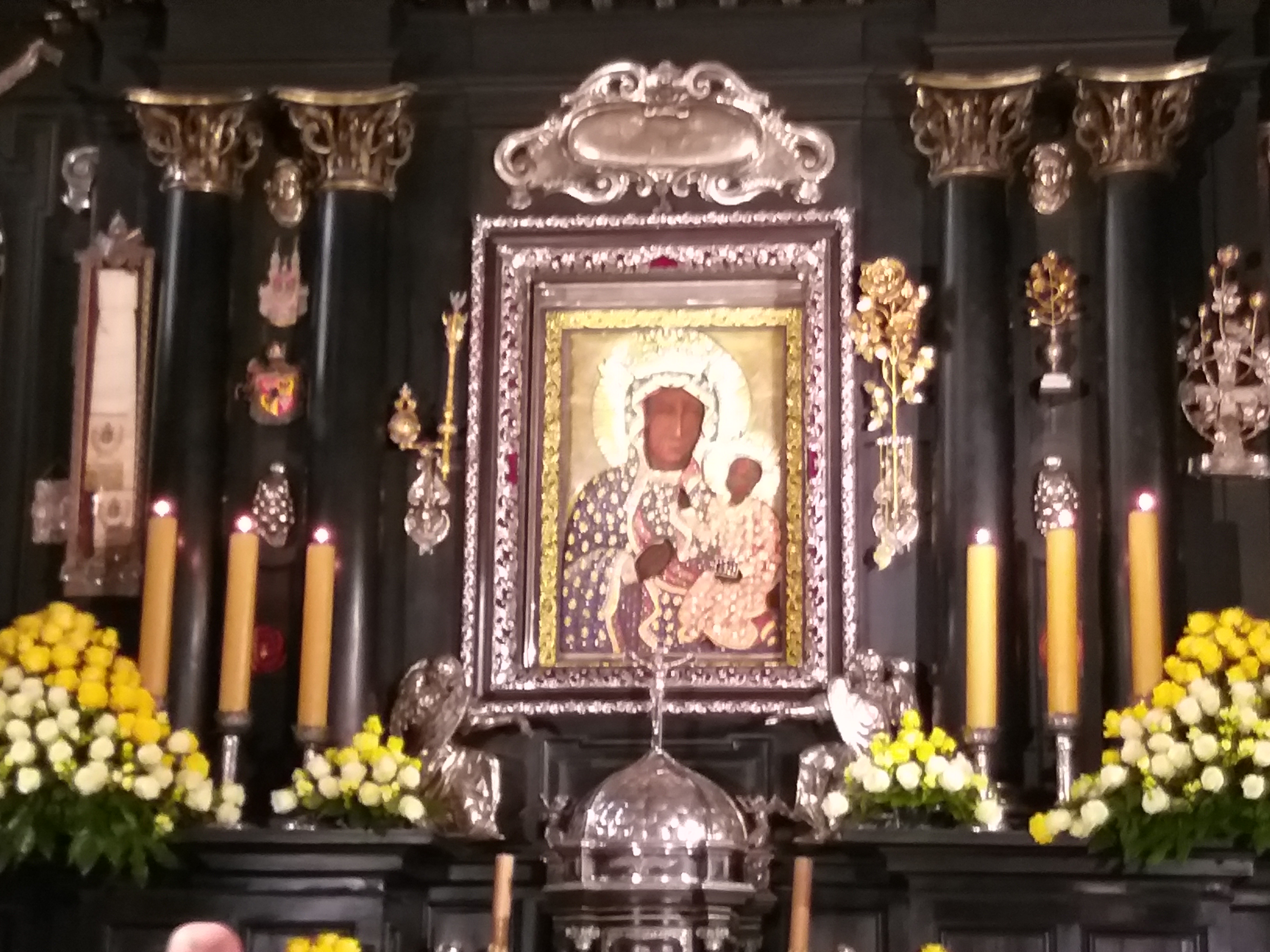
Tschenstochau/Czestochowa:

20190421_075611

20190421_075504

20190421_075700

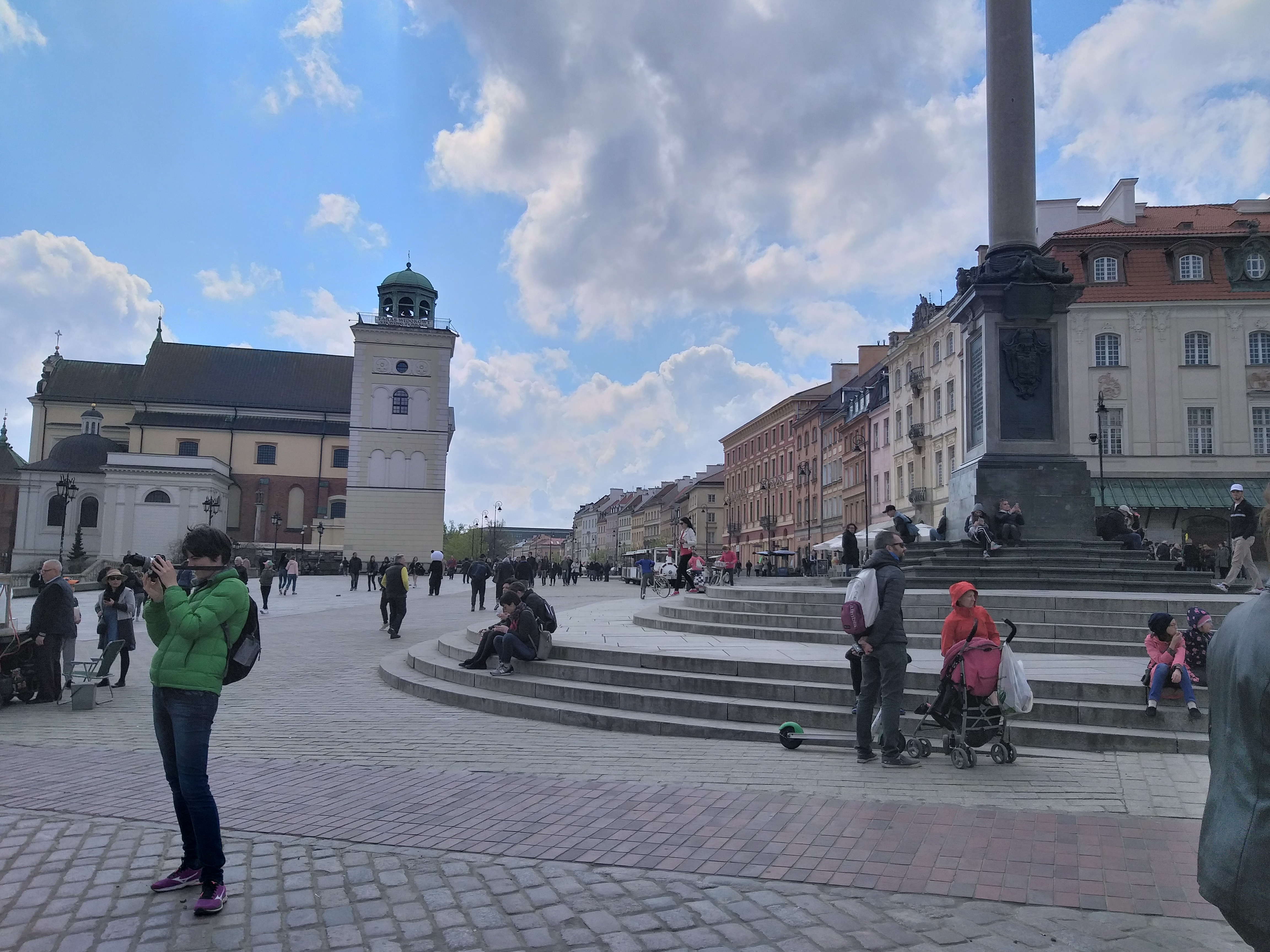
Warschau:

20190422_154529

20190422_153328

20190422_135148

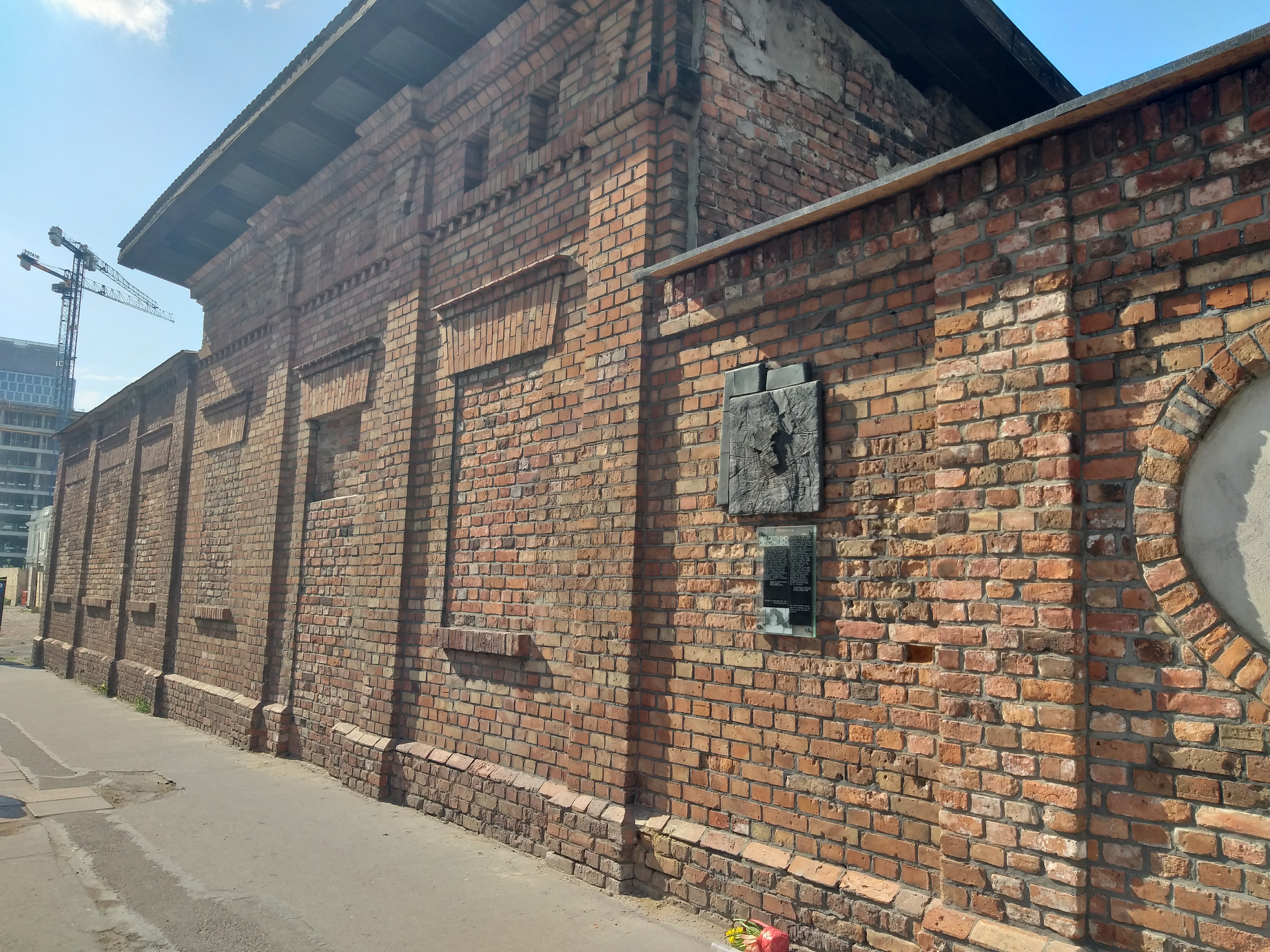
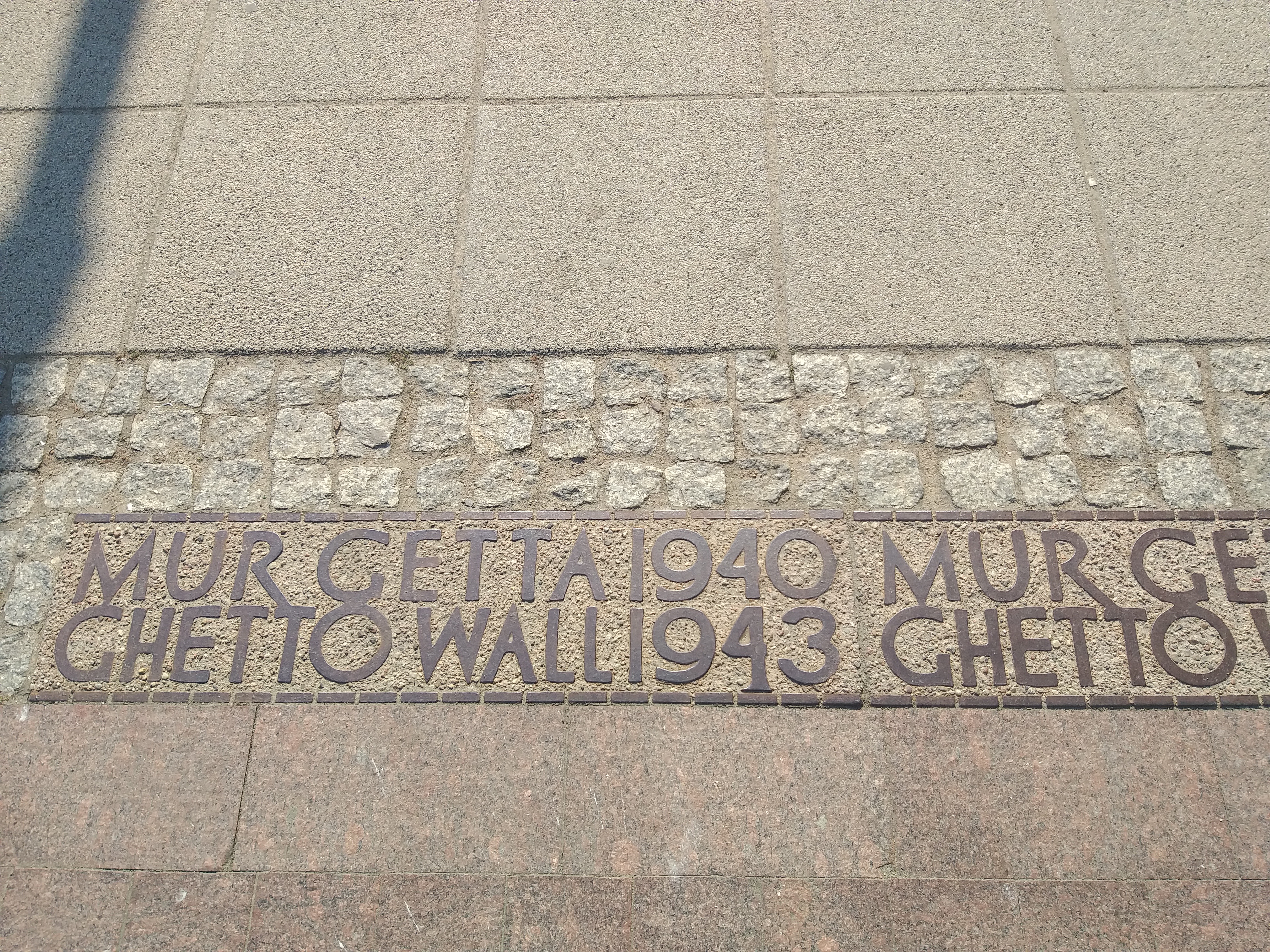
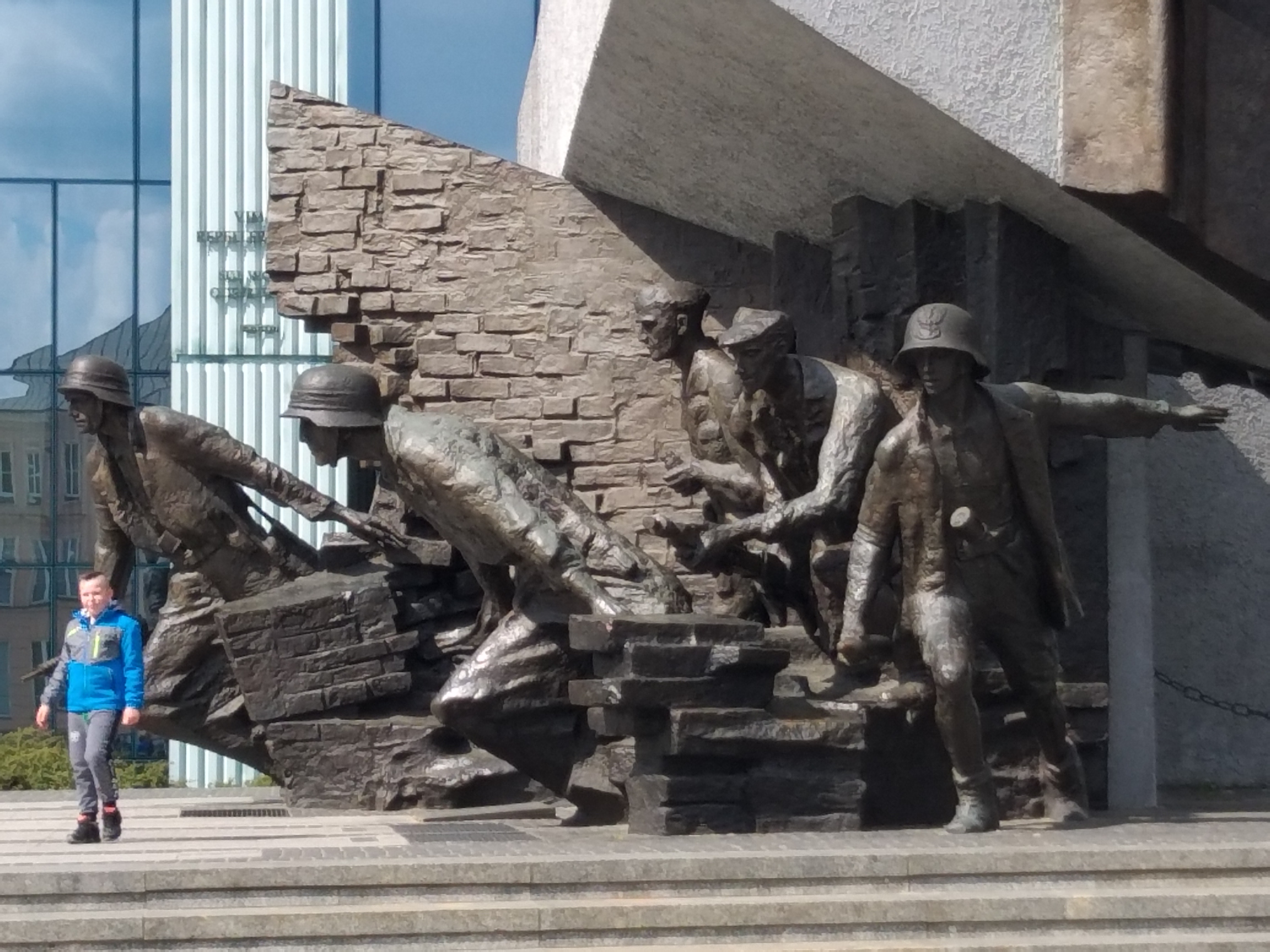
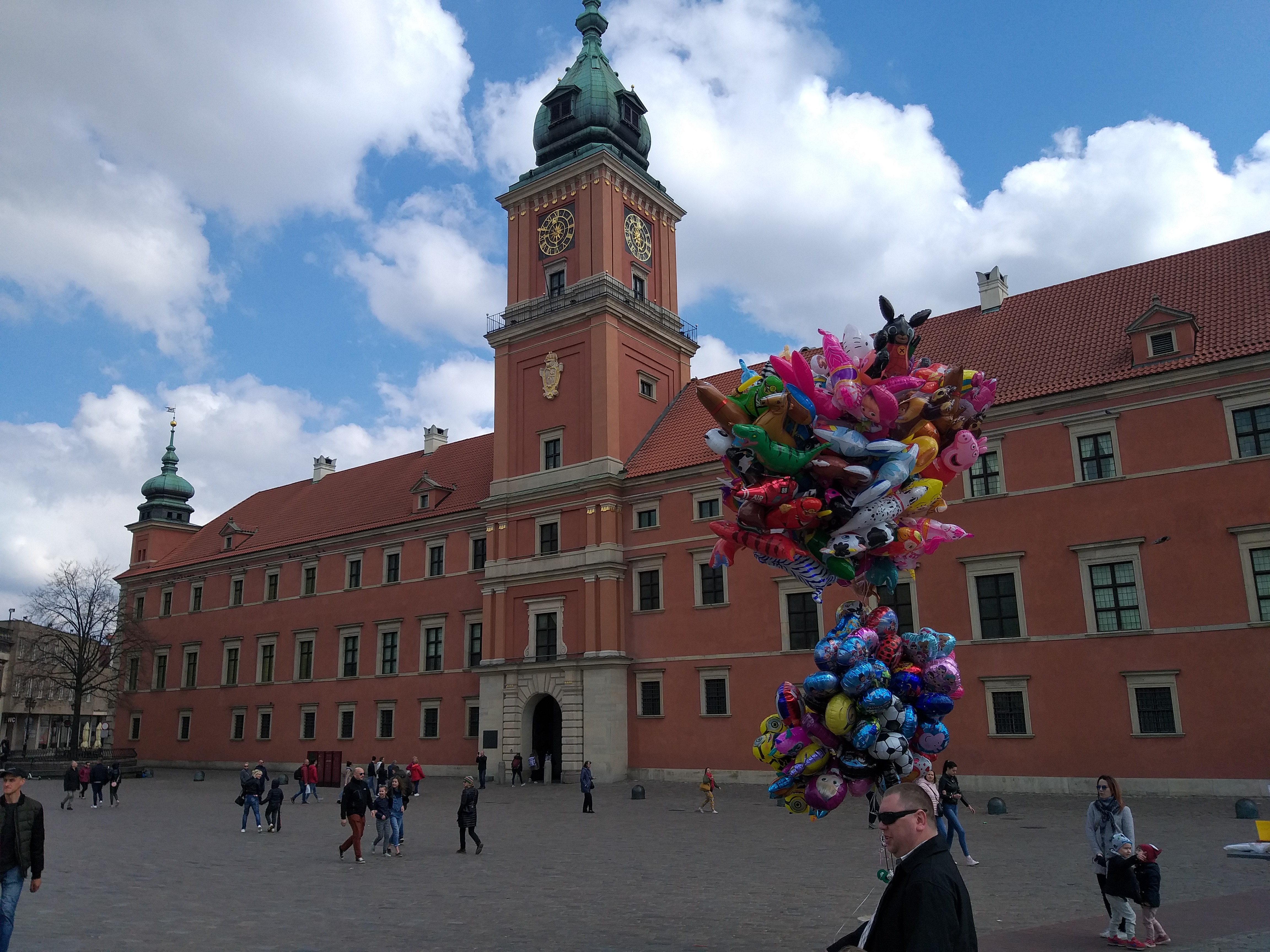
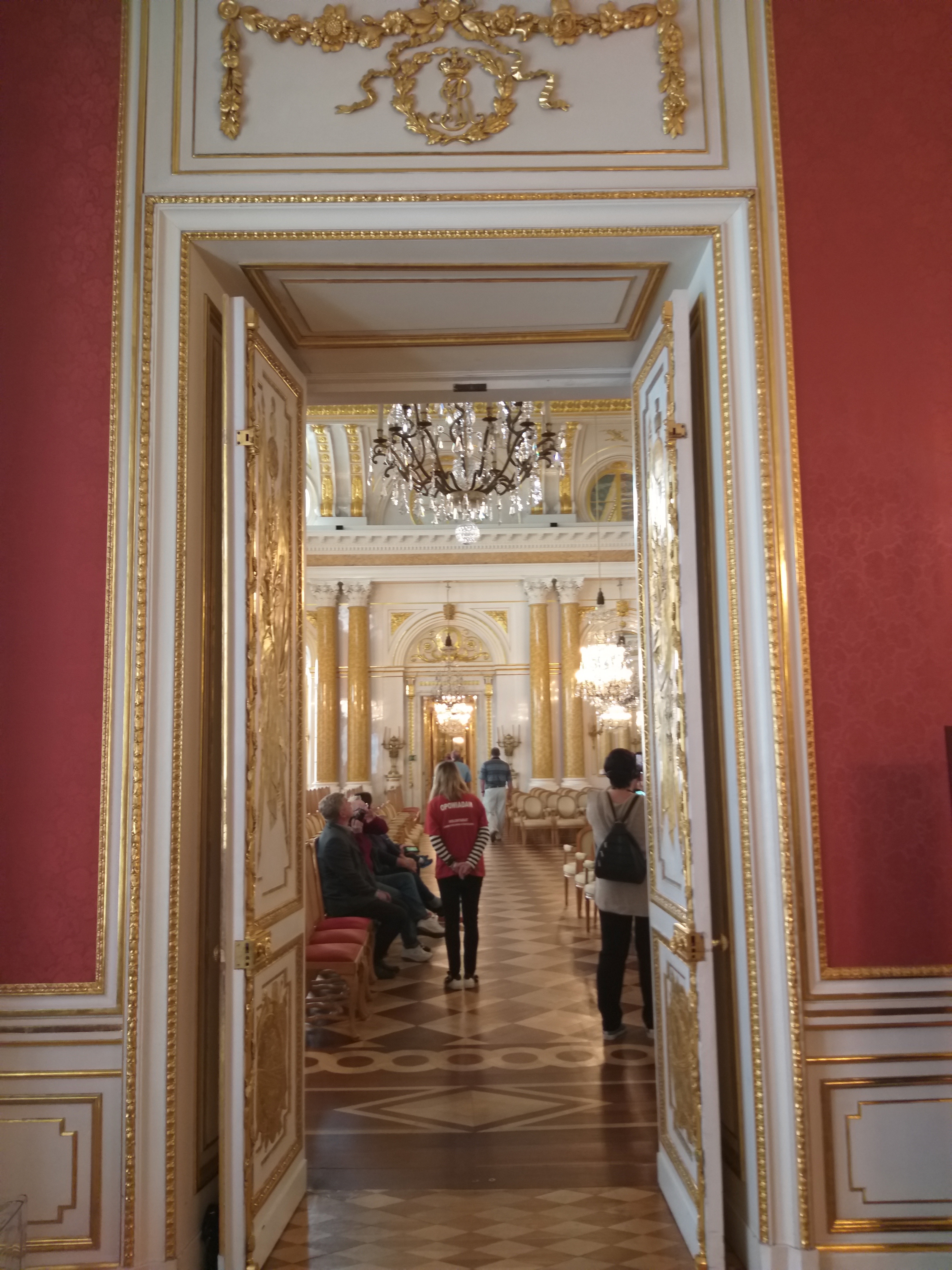
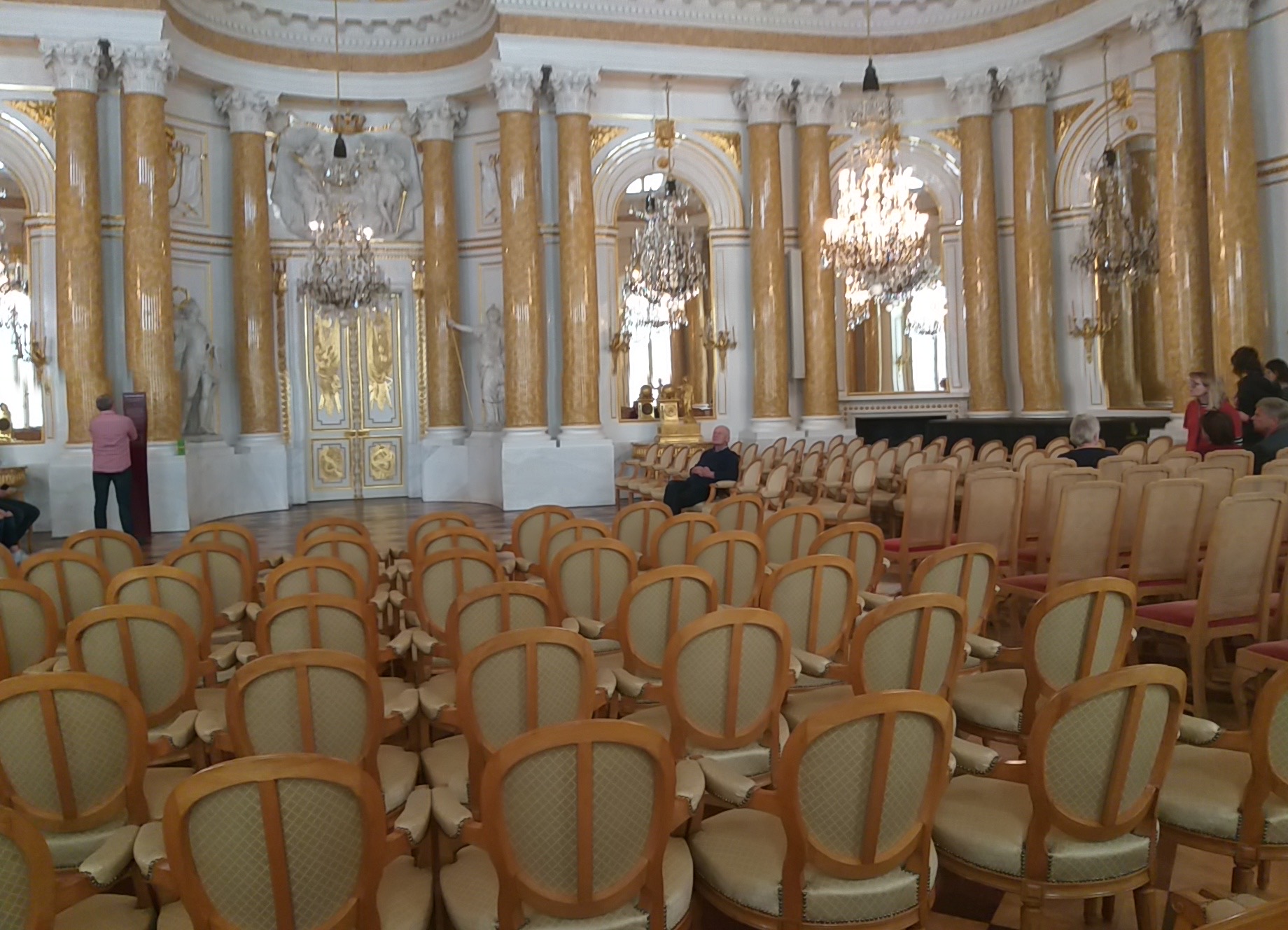
Leider mit wenigen Relikten, die auf das Ghetto hinweisen. Aber mit einem prächtig renovierten Stadtschloss:

20190422_114913

20190422_120446

20190422_120809

20190422_121012

20190422_121352

20190422_122131

20190422_122637

Und dann Litauen, Lettland und Estland, alle drei ziemlich flach und landschaftlich etwas eintönig, aber mit unglaublich schönen alten Städten und Bauwerken, z.B. die Hauptstadt von Lettland:

Riga

Wunderschön die Ostseeküste mit herrlichen Stränden und Stellplätzen am Meer, die wir gar nicht mehr verlassen wollten.

Diese Diashow benötigt JavaScript.

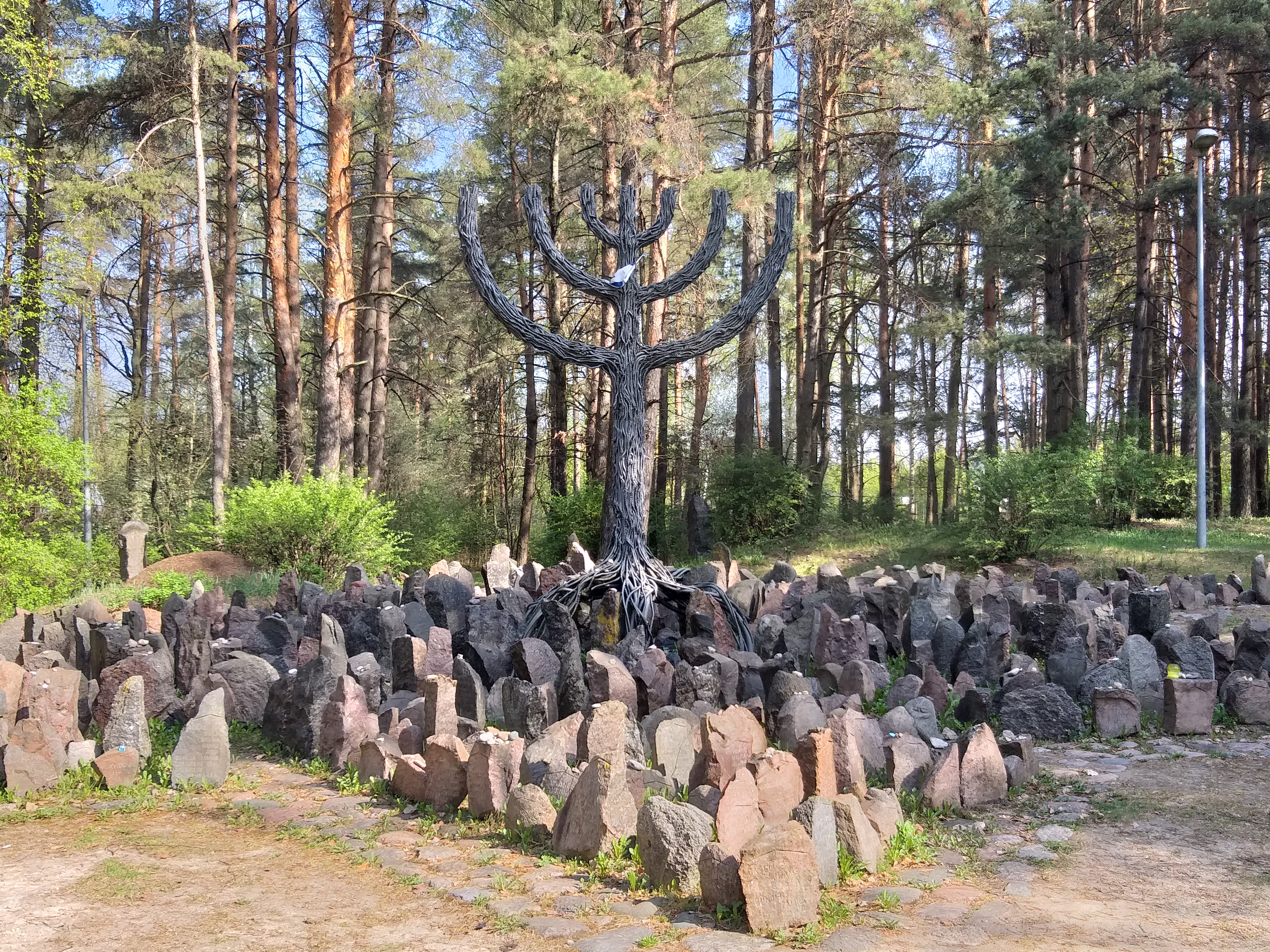
Ein eher bedrückendes Erlebnis, die Jüdische Gedenkstätte Rumbula in der Nähe von Riga. Hier wurden 25.000 Juden von den Nazis und ihren lokalen Helfern umgebracht und in Massengräbern verscharrt:

20190427_104547

Estland liegt am nördlichsten von den drei baltischen Staaten. Tallinn ist die Hauptstadt. Auch hier schauen wir uns die Altstadt an:

Und besichtigen eine wunderbare russisch orthodoxe Kirche:

Am 04. Mai geht es dann ohne bürokratische Hindernisse in Narva über die Grenze nach Russland.

Español

A través de Polonia y los Estados bálticos.

Mientras tanto, llegamos a Moscú. Detrás de nosotros están los primeros 3500 km de camino a Ulan Bataar, la capital de Mongolia. Esto es mucho más de lo que habíamos estimado para esta primera parte del viaje:

Karte bis Moskau

Pero el largo viaje valió la pena. Aquí hay algunas impresiones de las principales ciudades que visitamos en Polonia:

Breslau: 20190419_154218

20190422_114950

20190419_153613

20190419_135938

20190422_114444

20190422_114027

20190419_134923

Tschenstochau/Czestochowa:

20190421_075611

20190421_075504

20190421_075700

Varsovia

20190422_154529

20190422_153328

20190422_135148

Lamentablemente con pocas reliquias apuntando al gueto. Pero con un palacio de la ciudad magníficamente renovado:

20190422_114913

20190422_120446

20190422_120809

20190422_121012

20190422_121352

20190422_122131

20190422_122637

Y luego Lituania, Letonia y Estonia, las tres bastante planas y un poco monótonas en el paisaje, pero con ciudades y edificios antiguos increíblemente hermosos, por ejemplo la capital de Letonia:

Riga

Maravillosa la costa del mar Báltico con hermosas playas y parcelas junto al mar, que no queríamos dejar.

Diese Diashow benötigt JavaScript.

Una experiencia bastante deprimente, el monumento en Rumbula cerca de Riga. Aquí, 25.000 judíos fueron asesinados por los nazis y sus ayudantes locales y enterrados en fosas comunes:

20190427_104547

Estonia es el más septentrional de los tres estados bálticos. Tallin es la capital. De nuevo, nos fijamos en el casco antiguo:

Y visitamos una de las maravillosas iglesias russia ortodoxa.

El 04 de mayo pasamos la frontera con Rusia en Narva sin problemas burocráticas:

English

Through Poland and the Baltic States

Meanwhile, we arrived in Moscow. Behind us are the first 3500 km on the way to Ulan Bataar, the capital of Mongolia. This is far more than we had estimated for this first part of the journey:

Karte bis Moskau

But the long drive was worth it. Here are a few impressions from the main cities that we visited in Poland:

Breslau:

20190419_154218

20190422_114950

20190419_153613

20190419_135938

20190422_114444

20190422_114027

20190419_134923

Tschenstochau/Czestochowa:

20190421_075611

20190421_075504

20190421_075700

Warsaw

20190422_154529

20190422_153328

20190422_135148

Unfortunately with few relics pointing to the ghetto. But with a beautifully renovated city palace:

20190422_114913

20190422_120446

20190422_120809

20190422_121012

20190422_121352

20190422_122131

20190422_122637

And then Lithuania, Latvia and Estonia, all three quite flat and a bit monotonous in landscape, but with unbelievably beautiful old towns and buildings, e.g. the capital of Latvia:

Wonderful the Baltic Sea coast with beautiful beaches and pitches by the sea, which we did not want to leave.

Diese Diashow benötigt JavaScript.

A rather depressing experience, the memorial Rumbula near Riga.

Here 25,000 Jews were killed by the Nazis and their local helpers and buried in mass graves:

20190427_104547

Estonia is the northernmost of the three Baltic States. Tallinn is the capital. Again, we take a look at the old town:

And visit a wonderful russian orthodoxe church:

On 4 May Narva we cross the border into Russia without any bureaucratic problems:

Der Aufbruch

Deutsch – EspañolEnglish

Liebe Freunde,

einige wissen es ja schon: Seit einigen Wochen sind Horst und ich auf einer Autoreise von Deutschland bis in die Mongolei:

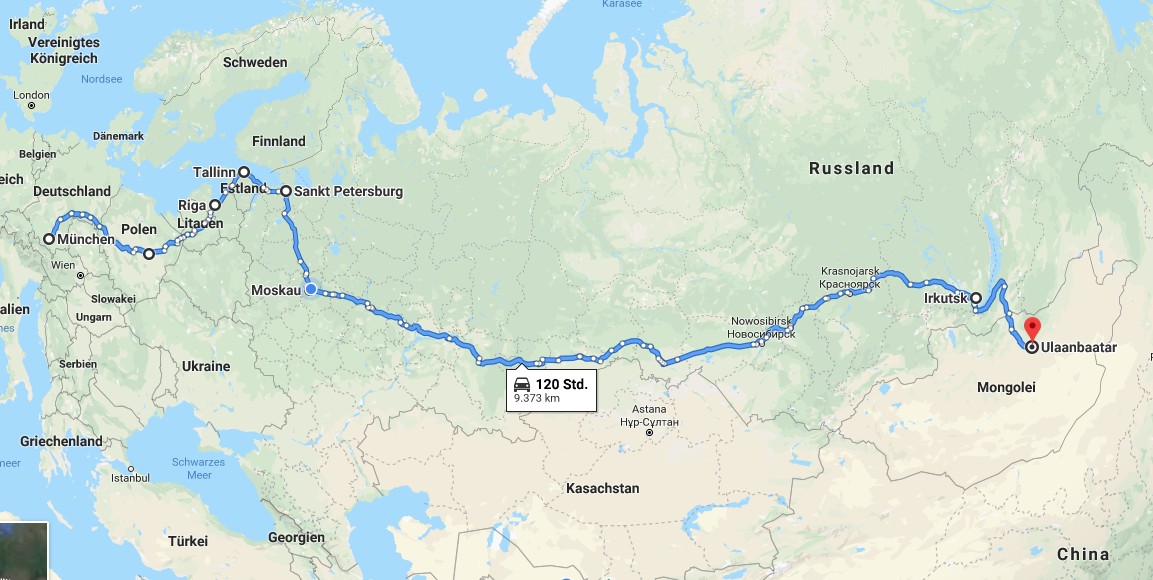
Karte bis Ulan Bataar

Am 16. April 2019 geht die Fahrt los:

Mog Frontsansicht

Clemen

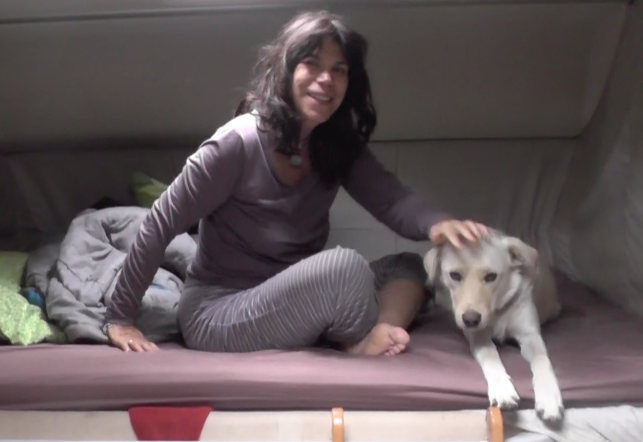
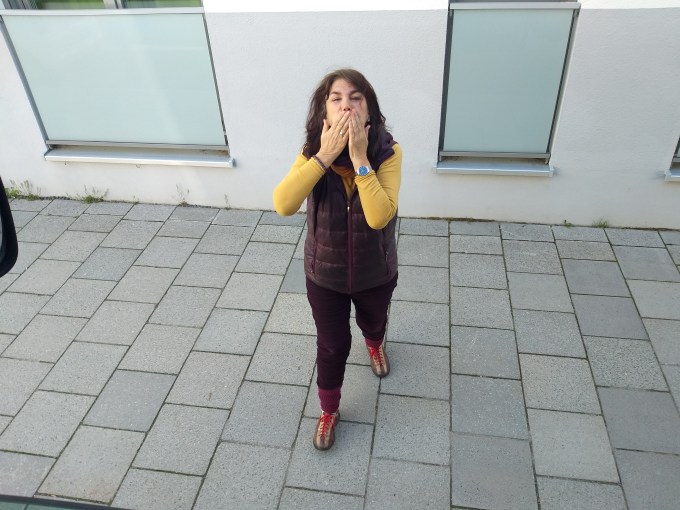
Clemencia möchte diesmal zu Hause bleiben und ihr „eigenes Ding“ machen: ein persönliches Projekt, das ihr sehr am Herzen liegt.

Shanti (unser treuer Weggefährte aus Chile) wird sie begleiten und beschützen:

mit Shanti

Mitte Juli werden wir uns alle wiedersehen.

Wer Lust und Laune hat, ist eingeladen hin und wieder hier im Blog vorbeizuschauen.

Español

Queridos amigos, algunos ya lo saben: durante algunas semanas, Horst y yo estamos en un viaje por carretera desde Alemania a Mongolia:

Karte bis Ulan Bataar

El 16 de abril de 2019 comencia el viaje:

Mog Frontsansicht

Clemen

Esta vez, Clemencia quiere quedarse en casa y hacer su „propia cosa“: un proyecto personal que está cerca de su corazón. Shanti (nuestra fiel compañera de Chile) la acompañará y protegerá.

mit Shanti

Nos volveremos a encontrar a mediados de julio. Si te apetece, puedes visitar el blog de vez en cuando.


English

Dear friends,

some of you know it already: For some weeks Horst and I are on a road trip from Germany to Mongolia:

Karte bis Ulan Bataar

On April 16, 2019, the journey begins:

Mog Frontsansicht

Clemen

This time, Clemencia wants to stay home and do her „own thing“: a personal project that is close to her heart. Shanti (our faithful companion from Chile) will accompany and protect her.

mit Shanti

We will all meet again in the middle of July. If you feel like it, you are welcome to drop by on the blog every now and then.

Das Ende einer langen Reise …

Deutsch – EspañolEnglish

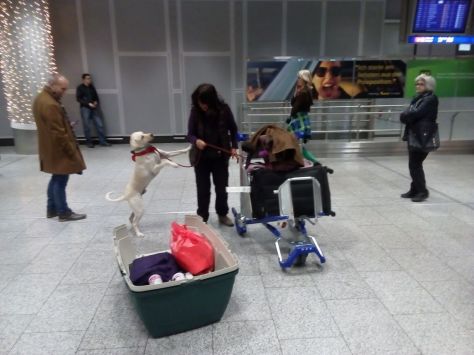
… ist noch nicht ganz erreicht. Aber gestern, am 21.12.2017 ist Clemen mit Shanti in Frankfurt angekommen:

Clemen_Shanti_FRA

Es war ein langer Flug. Und Shanti musste insgesamt mehr als 15 Stunden in seinem Käfig ausharren.

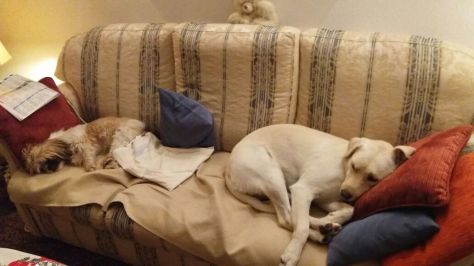
Inzwischen sind die beiden bei meiner Schwester Helene im Taunus und Shanti teilt mit Lily, dem Hund des Hauses, inzwischen das Sofa:

Shanti_Lily

Sieht aus, als ob das eine richtige Hundeliebe werden könnte:

JW

Español

El Fin de un viaje largo

… no lo hemos llegado todavía. Pero ayer en el día 21 de Diciembre 2017 Clemen y Shanti ya llegaron a Frankfurt:

Clemen_Shanti_FRA

Fue un vuelo muy largo. Y Shanti tenia que quedarse en su canil mas de 15 horas, – pobrecito.

Pero mientras tanto los dos han llegado a la casa de mi hermana Helene en el Taunus y Shanti ya esta compartiendo el sofá con Lily, la perra de la casa.

Shanti_Lily

Parece que este se podría desarrollar como un verdadero amor de los perros.

JW


English

The end of a long journey …

… has not been reached yet. But Shanti and Clemen already arrived in Frankfurt yesterday on December 21, 2017.

Clemen_Shanti_FRA

It was a very long flight. And Shanti had to stay in his cage for more than 15 hours, – poor doggy.

But meanwhile the two of them have already arrived at the home of my sister Helene in the Taunus mountains and Shanti is already sharing the sofa with Lily my sister’s doggy.

Shanti_Lily

It looks as if this could become a real dog love.

JW

Lost in Buenos Aires


Deutsch – EspañolEnglish

Nach insgesamt 2.100 km auf dem Rücken eines Abschleppwagens kommen wir in Buenos Aires an. – Wir sind geschafft. Esperanza müssen wir in Ingeniero Maschwitz lassen. Das ist eine Stadt ca. 50 km vor Buenos Aires. Einen sicheren Stellplatz für unser Wohnmobil in Buenos Aires zu finden, ist fast eine Unmöglichkeit, zumal Esperanza sich nicht aus eigener Kraft bewegen kann. Ein trauriger Anblick, als wir sie alleine zurücklassen:

In Buenos Aires wohnen wir im Hotel Aeroparque, einem der wenigen, in dem Hunde willkommen sind. Die Stadt ist beeindruckend. Sie könnte auch in Europa liegen. Das Südamerika, das wir in den gut zwei Jahren auf unserer Reise kennengelernt haben, scheint in weiter Ferne zu liegen. Es fällt uns schwer, die Monumente und Sehenswürdigkeiten der Stadt in Ruhe zu betrachten und zu würdigen. Wir sind noch immer in einer Art von Schock und fühlen uns ausgelaugt und gehetzt:

JW_U-BAhn

Drei Tage wollen wir hier bleiben und den Grenzübertritt nach Uruquay mit unserer schwer kranken Esperanza und mit Shanti, unserem treuen Begleiter, der uns ohne Murren überall hin begleitet, vorzubereiten. Für ihn brauchen wieder einmal neue Papiere für den Grenzübertritt nach Uruquay und Esperanza muss eine Fähre finden, die groß genug ist, sie aufzunehmen für die Überfahrt nach Montevideo. Außerdem müssen wir klären, wer uns mit Esperanza auf die Fähre bringen kann und wie sie auf das Schiff kommt. Viel Zeit bleibt da nicht für Sightseeing. Aber wir versuchen es wenigstens:

Eine Fotoshow des iranisch-französischen Fotografen Reza Deghati, die wir in einem Park mitten im Zentrum von Buenos Aires zufällig entdecken, beeindruckt uns sehr. Kunst ist immer eine Art von Balsam für die Seele.

Und da heute mein Geburtstag ist, gehen wir ein schönes argentinisches Steak essen. Da wir Shanti dabei haben, müssen wir draußen auf der Terrasse Platz nehmen. Aber es schmeckt trotzdem:

Wenn da nur nicht ständig der Gedanke an Esperanza und die nächsten Herausforderungen auf dem Weg nach Deutschland wären.

JW

Español

Lost in Buenos Aires

Luego de 2,100 Km en total en las espaldas de un remolque llegamos finalmente a Buenos Aires. Estamos agotados. A Esperanza la dejamos en Ingeniero Maschwitz, una ciudad a 50 Km de Buenos Aires. Encontrar un aparcamiento seguro para una caravana en Buenos Aires es un albur, más aún si ésta no se puede mover por si misma. Una imagen triste dejarla sola:

En Buenos Aires estuvimos en el Hotel Aeroparque, uno de los pocos amigos de perros que hay. La ciudad es impresionante. La América del Sur que hemos conocido intensamente en estos dos años se desvanece. Nos resulta difícil apreciar la ciudad y sus atractivos turísticos. Estamos en shock. Agotados y atosigados

JW_U-BAhn

Tenemos tres días para organizar el paso fronterizo a Uruguay con nuestra Esperanza gravemente enferma y con Shanti, nuestro fiel compañero que sin chistar va con nosotros a todos lados. Shanti necesita papeles nuevos para Uruguay y Esperanza un ferry suficientemente grande y alto que la acoja hasta el destino Montevideo. Adenás tenemos que averiguar, quien nos puede llevar con Esperanza al ferry – y como embarcarla con una grúa al ferry. No tenemos mucho tiempo para sightseeing. Pero lo intentamos.

Una exposición de fotos del fotógrafo iraní-frances Reza Deghati en un parque en el centro de Buenos Aires, que encontramos por casualidad, nos anima y reconforta mucho. El arte es siempre un bálsamo para el espíritu. Así la fotografía de ….. Excelente!

Y como hoy es mi cumpleaños nos vamos a comer un steak argentino internacionalmente conocido. Como Shanty nos acompaña nos sentamos fuera, pero igual estuvo muy bueno.

Todo bien, siempre y cuando el pensar en Esperanza y los siguientes retos en nuestro camino a Alemania no estuvieran siempre presentes.

JW

English

Lost in Buenos Aires

After about 1.500 miles on the back of a tow car we arrive in Buenos Aires. – We are worn out. Esperanza must be left in Ingeniero Maschwitz. This is a city about 30 miles before Buenos Aires. It is almost impossible to find a safe place to stay for Esperanza in Buenos Aires, especially because she can’t move by herself any more. A sad image leaving her behind all alone:

In Buenos Aires we stay in the Hotel Aeroparque, one oft he few places, where pets are welcome. The city is impressive. It could be somewhere in Europe. The South America, which we got to know during our long journey, seems to be far away. We find it difficult to contemplate and honor the sights oft he city. We are still under a kind of shock and feel exhausted and rushed:

JW_U-BAhn

We want to stay three days here and prepare the border crossing to Uruquay with our critically ill Esperanza and with Shanti, our loyal companion, who follows us everywhere without grumbling. For him we need new border papers again and Esperanza has to find a ferry, which is big enough for her. In addition, we have to find out who can take us with Esperanza to the ferry and how we can put her on the ship to Montevideo. There is not much time for any kind of sightseeing. But we try it at least.

A photo exhibition of the Iranian-French photographer Reza Deghati in a park in the center of Buenos Aires, which we find by accident, revives and comforts us a lot. Art is always a kind of balm for the soul like the photography of … . Excellent!

Since it is my birthday today, we decide to have a great Argentinian steak today. With Shanti, we have to take place on the terrace of a well-renowned restaurant. But the steak is great anyway and we enjoy it.

If only the constant thought of Esperanza and the next challenges on the way back to Germany were not on our minds.

JW


Clemencia macht weiter ..

Deutsch – EspañolEnglish

Kletterpartien in den Bergen sind nicht meine Stärke. Ich habe mich immer mit der Schaukel zufrieden gegeben; das war bisher meine höchste Herausforderung. Diese Anstiege und Abfahrten, diese steilen Kurven und Abgründe, verstärkt durch die starken Winde, die an unserem Gefährt rütteln, das dreimal so hoch ist wie ein normales Auto. foltern mich. Ich kann nicht zuschauen, wie Esperanza über diese Abfahrten ins Tal bugsiert wird. Ich atme tief durch und versuche die Ruhe zu bewahren. Die Fahrt ist wirklich sehr stressig. Und die Kurven hören und hören nicht auf, sie scheinen ohne Ende …

In Jujuy müssen wir den Abschleppwagen wechseln, am Rande der Autobahn, und Esperanza wird auf die Plattform eines größeren Abschleppwagens gezogen. Das Abschleppen mit Stange oder Kette auf der Autobahn ist nicht erlaubt, auch weil die Straße natürlich schneller ist. Natürlich ist es auch verboten, während der Fahrt im Wohnmobil zu bleiben. Aber wir haben keine andere Wahl und fühlen uns ziemlich schlecht dabei, besonders wenn wir auf eine Mautstelle zufahren, wo es oft auch Polizeiposten gibt.

Wir kommen nachts in Salta an. Es ist unmöglich, jetzt noch ein Hotel zu finden. Wir übernachten auf dem Buckel des Abschleppwagens. In unsere Esperanza ein- oder auszusteigen ist eine Zirkusnummer. Shanty hochzuheben oder aussteigen zu lassen eine andere. Am nächsten Tag nimmt uns das Hotel El Virrey in Salta auf und wir schlafen erschöpft in drei Betten:

Im Hotel Virrey

Am nächsten Tag sind wir bei FIAT In Salta. Wir wollen wissen, was wirklich mit Esperanza passiert ist und ob wir ihr helfen können.

Esperanza_FIAT_Salta

Nach einer kurzen Inspektion des Motors von außen heißt es: Unmöglich Esperanza hier in Argentinien zu reparieren. Für dieses Modell gibt es keine Ersatzteile in Argentinien und die protektionistische Wirtschaftspolitik macht es nahezu unmöglich Ersatzteile aus Europa einzuführen. Außerdem würde das Monate dauern und natürlich sehr viel Geld kosten. Vielleicht können die in Buenos Aires, in der Hauptstadt, etwas machen oder FIAT in Uruquay.

Nächstes Ziel: Buenos Aires… meinen Geburtstag feiern wir heute Abend mit einem Knoten im Magen – und ohne jedes Foto.

Clea

Español

Continúa Clementina …

Las subidas y bajas de las montañas no han sido nunca mi especialidad. Yo me quedé en el columpio, fue mi mayor reto hasta el día de hoy. Estas subidas y bajadas, pendientes y curvas en abismos, acentuado todo por fuertes vientos en un auto tres veces más alto que uno normal, me torturan. Me cuesta ver cómo bajan a Esperanza por estas pendientes. Respiro profundo y trato de mantener la calma. Es muy estresante este viaje. Y las curvas no acaban y no acaban, parecieran interminables:

Cerca de Jujuy cambiamos de camión al lado de la autopista y nos montan sobre la explanada de una grúa más grande porque no está permitido el remolquen en autopistas y la carretera es más rápida. Naturalmente está prohibido también quedarse en la casa rodante durante el viaje. Pero no tenemos otra opción y nos sentimos muy mal en la barriga de Esperanza cerrando cada vez las cortinas, cuando nos acercamos a un peaje, donde de vez en cuando hay puestos de policía.

Llegamos a Salta de noche. Imposible encontrar un hotel. Dormimos en la espalda de la grúa. Subir y bajar de nuestra Esperanza es un acto de circo. Subir y bajar a Shanty otro más. Finalmente al día siguiente nos acoge el hotel El Virrey en Salta y dormimos agotados en tres camas:

Im Hotel Virrey

El día siguiente continuamos nuestras averiguaciones para ver qué es lo que está pasando con Esperanza:

Esperanza_FIAT_Salta

La información después de una inspección del motor desde afuera: Imposible arreglar a Esperanza en Argentina. Para este modelo del Ducato no hay repuestos aún en Argentina y la economía proteccionista del país lo hace casi imposible importar repuestos originales desde Europa. Además duraría meses y costaría un montón de dinero. Vielleicht können die in Buenos Aires, in der Hauptstadt, etwas machen oder FIAT in Uruquay, nos dicen.

Próximo destino: Buenos Aires… mientras tanto festejamos mi cumpleaños con un nudo en el estómago aún – y sin fotos.

Clea


English

Clementina continues the story …

Climbing tours in the mountains have never been my strong point. I have always contented myself with swings; they have been my biggest challenges so far. These ascents and descents, magnified by the strong winds, jolting our vehicle, which is three times as high as a normal car, torture me. I can hardly watch how they tow Esperanza down the steep downhill parts to the valley. I deeply breathe and try to keep calm. The ride is really very challenging and stressful. The curves never stop, they seem to be endless…

Near Jujuy we have to change the tow car at the wayside of the highway and pull up Esperanza to the platform of a bigger tow car. Towing with just a chain or a two bar is not allowed on the highway and the road is much faster here as well. Of course it is also prohibited to stay inside the motorhome while it is being towed. But we have no choice and feel rather bad doing it, especially if we are approaching a toll station, where there are police stations sometimes.

Late at night we arrive in Salta. It is impossible to find a hotel at this time. So we stay overnight in Esperanza on the back of the tow car. Getting in or out of Esperanza is a kind of circus performance. To put Shanty in the car or get him out is another feat. The following day we change to the Hotel Virrey in Salta and spend the night in three different beds. We are totally worn out.

Im Hotel Virrey

On the next morning we are towed o FIAT in Salta. We wan to know, what has really happened to her and whether there is any help for her.

Esperanza_FIAT_Salta

After a short check of the engine from outside, we are told: Impossible to repair the car here in Argentina. There are no spare parts for this model in Argentina and the protectionist economy of the country makes it almost impossible to import authentic spare parts from Europe. In addition it would last months and cost a fortune. Maybe someone in Buenos Aires, the capital, or FIAT in Uruquay can help.

Next destination: Buenos Aires … we celebrate my birthday with a knot in our stomachs – and without any photo.

Clea


Diagnose: Herzinfarkt

Deutsch – EspañolEnglish

Auf den letzten 2000 km von Iquique in Chile nach Montevideo in Uruquay hat es Esperanza und uns kalt erwischt: Esperanza hat einen Herzinfarkt erlitten.

Nachdem wir den Jama-Pass mit 4900 m ohne Probleme überquert und den Grenzübertritt nach Argentinien schon gegen 9 Uhr früh hinter uns gebracht hatten, wollten wir Juy Juy oder gar Salta im Nordwesten von Argentinien möglichst noch am selben Tag erreichen.

Es war eine Fahrt ohne Probleme durch eine wunderbare Andenlandschaft, die wir schon vom letzten Jahr kannten, die uns aber auch diesmal wieder begeisterte.

Und dann knallte es, im wahrsten Sinne des Wortes: Etwa 35 km hinter dem Grenzübergang, hörten wir einen lauten Knall, das Auto verlor an Leistung, schlingerte ein wenig und wir dachten natürlich an eine Reifenpanne.

Aber als wir dann das Auto von außen untersuchten, zeigte sich, dass ein dicker Strahl Öl aus dem Motor auslief. Die Ölwanne unter dem Motor hatte ein großes Loch. Und schlimmer noch: Ein kurzes, dickes Metallrohr, das offensichtlich aus dem Inneren des Motors stammte, lag auf dem Anlasser. Es hatte den Motorblock wie ein Geschoss durchschlagen:

20171126_153623

Wir sind buchstäblich am Ende und fühlen uns sehr verlassen und hilflos hier oben in den Anden, mitten in der Wüste. Nach ca. 64.000 km, die wir mit Esperanza auf dieser Reise hinter uns gebracht haben, hat sie sozusagen einen Herzinfarkt erlitten. Sie tut uns leid. Und obwohl sie noch immer schön und stolz vor uns steht, kann sie sich keinen „Schritt“ mehr aus eigener Kraft bewegen. – Was für ein trauriger Anblick!

20171128_105346

Zwei hilfsbereite und solidarische chilenische Lastwagenfahrer mit Erfahrung in der Wüste bieten an, uns bis zur Grenze zurückzuschleppen, zu einer YPF-Tankstelle. “Hier können Sie nicht bleiben. Sie wissen nicht, was das bedeutet, in der Wüste liegen zu bleiben. Der Ort hier ist gefährlich!”, erklären sie uns, und wir stimmen zu.

Diese Diashow benötigt JavaScript.

Es ist eine schwierige Fahrt im Schlepptau eines Schwerlasters. Wir sind deprimiert und verunsichert: Wie soll das weitergehen? Was wird aus Esperanza? Wie kommen wir nach Montevideo. – Unsere Gedanken bewegen sich im Kreise:

20171126_121244

Jetzt sitzen wir seit zwei Tagen auf dem Parkplatz einer YPF. So heißt hier die größte argentinische Tankstellenkette. Sie liegt zwar äußerst abgelegen, direkt am Grenzübergang zu Chile, ist aber ziemlich neu und modern und hat – Gott sei Dank – alles, was wir im Moment brauchen: Strom, Toiletten, einen Schnellimbiss und sogar WLAN. Letzteres ist zwar ziemlich unstet, aber immerhin: Wir können halbwegs mit dem Rest der Welt kommunizieren. Wir schlafen im Bauch von Esperanza. Unsere Wohnhöhle ist völlig intakt.

Neben uns steht ein Volkswagenbus aus Uruguay. Federico y Debra sind unterwegs nach Chile. Sie bleiben einen Tag länger bei uns als sie geplant hatten. Wir sind froh, dass sie da sind und wir mit ihnen sprechen können. Ihre Anwesenheit hilft uns sehr:

Im Augenblick warten wir auf den Abschleppwagen. Er sollte um 7.00 Uhr hier sein. Jetzt ist es 8.35 Uhr. Der Weg nach hier oben ist ziemlich schwierig … Mal sehen, wann er tatsächlich eintrifft.

JW/Clea


Español

Diagnóstico: Infarto

En los últimos 2000 kilómetros desde Iquique en Chile hasta Montevideo en Uruguay Esperanza y nosotros quedamos atrapados en frío: Esperanza sufrió un infarto cardiaco.

Después de cruzar el Paso de Jama y la frontera entre Chile y Argentina sin ningún problema, a las 9 de la mañana, quisimos llegar hasta Jujuy o quizás inclusive hasta Salta en el Noroeste de Argentina en el mismo día.

Fue un viaje sin problemas por un paisaje andino muy lindo, un viaje que ya conocimos del año pasado (link) y que nos entusiasmó de nuevo esta vez.

De repente una explosión. Aproximadamente 30 kilómetros detrás de la frontera ya en territorio argentino – Clemencia estuvo manejando en ese momento – escuchamos un estruendo fuerte, el carro perdió fuerza, dio algunos bandazos y pensamos naturalmente en un pinchazo.

Pero cuando vimos debajo del auto, para ver que había pasado, observamos que un chorro de aceite inundaba el asfalto. El cárter de aceite tenía un gran agujero. Y peor todavía: Un pedazo de tubería metálica, que obviamente había sido expulsado del interior del motor, se encontraba encima del arrancador. Había penetrado y destrozado el bloque del motor como una bala:

20171126_153623

Habíamos llegado literalmente al final de nuestro viaje y nos sentimos muy perdidos y débiles. Aquí arriba en los Andes, en pleno desierto. Después de un viaje tan largo, que hemos cumplido con Esperanza, ha – por así decirlo – sufrido un infarto cardíaco. Nos da mucha pena. Y a pesar del hecho que todavía parece bonita y orgullosa así como está parada en el desierto, no puede dar ni un „paso“ por sus propios medios. – Que mirada tan triste!
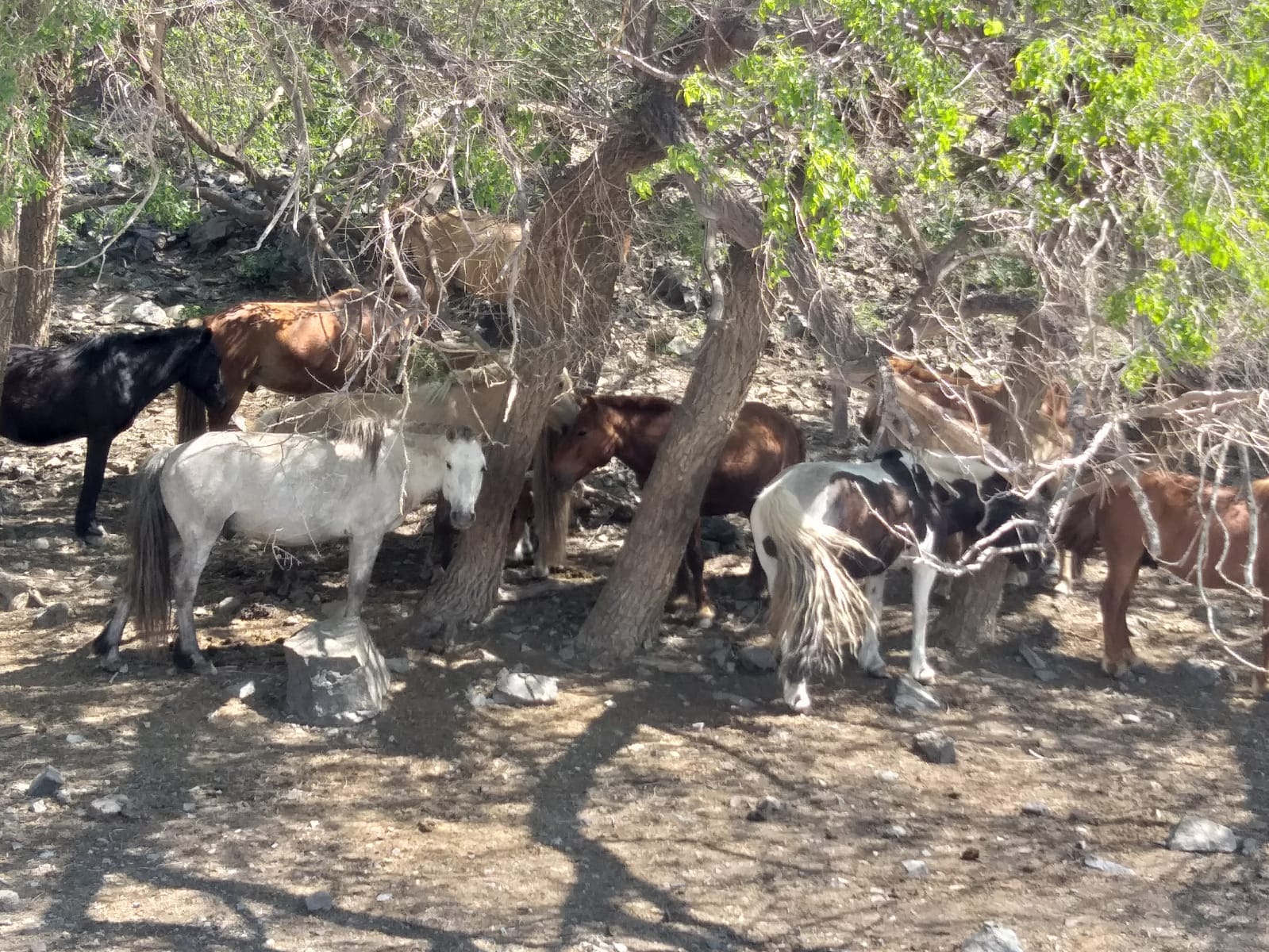
20171128_105346

Dos camioneros Chilenos con experiencia en el desierto y muy solidarios, nos remolcan de regreso casi hasta la frontera. “Aquí no pueden quedarse! No saben lo que es el desierto de noche y la ubicación es peligrosa!” nos explican y nosotros asentimos.

Diese Diashow benötigt JavaScript.

Es un viaje difícil jalado con cadena por un camión pesado. Estamos deprimidos y desconcertados: Como continuará todo esto? Qué será de Esperanza? Como vamos a llegar a Montevideo? – Nuestros pensamientos se alborotan:

20171126_121244

Ahora estamos desde hace dos días en el estacionamiento de una YPF. Asi se llama la cadena más grande de gasolineras en Argentina. Está extremamente aislada del resto del mundo, pero es nueva y moderna y tiene todo lo que necesitamos en este momento: corriente, baños muy limpios, un pequeño restaurante de comida rápida inclusive WiFi. La conexión no es muy buena, pero sí, por lo menos podemos comunicarnos con el „resto del mundo“ y finalmente organizar una grúa. Dormimos en la barriga de Esperanza. La casita está intacta:

A nuestro lado un Volkswagenbus de Uruquay esta estacionado. Federico y Debra están en camino a Chile. Quedan un día más con nosotros que habían planificado. Estamos felices poder compartir tiempo y hablar con ellos. Su presencia os ayuda mucho.

En este momento estamos esperando la grúa. La esperamos a las 7 a.m.. Ahora son las 8.35 a.m. El camino hasta acá es muy difícil … veremos a qué hora llega realmente…

JW/Clea


English

Diagnosis: Heart attack

On the last 1,300 miles from Iquique in Chile to Montevideo in Uruquay an incident caught us off-guard: Esperanza suffered a heart attack.

After we had crossed the Jama pass with an altitude of about 16,000 feet and the border post between Chile and Argentina without any problems at around 9 AM we thought of reaching Juy Juy or even Salta in the North-West of Argentina on the same day.

It was a great ride without any problems through an amazing Andean landscape, which we already knew from last year (link), but enthused us again.

But then there was a big bang: About 20 miles behind the border crossing – Clemen was driving at this moment – we heard a loud bang, the car lost speed, skidded a little bid and naturally we all thought it would be a puncture.

But when we inspected the car from outside, we found a big hole in the oil-pan and what was worse, a short and thick piece of metal rod, which had obviously been thrusted through the engine block and the oil-pan was now resting on the starter. Hardly could it have been worse. I

20171126_153623

We have literally reached our limits and we feel very lost and helpless up here in the Andes, in the middle of a vast desert. After about 40,000 miles, which we have driven with Esperanza on this journey, she has suffered so to say a heart attack. We are so sorry for her. And though she is still sitting here in front of us, proud of herself and beautiful, she is unable to do any “step” further by her own power. – What a sad sight.

20171128_105346

Two helpful Chilean truck drivers with experience in the desert stop and offer to pull us back to the border to a YPF gas station: “You can’t stay here. You don’t know what it means to spend the night here in the desert. This place is dangerous”, they explain to us, and we accept their help:

Diese Diashow benötigt JavaScript.

Being towed by a heavy truck by chain is difficult and dangerous. And we are depressed and insecure. What will be next? What will become of Esperanza? How will we get to Montevideo? – Our thoughts are running wild:

20171126_121244

Now we have been on the parking lot of the YPF gas station for almost two days. YPF is the name oft he most important brand of gas stations in Argentina. It is located in an extremely remote area, right behind the border between Chile and Argentina, but it is rather new and modern and – thanks to God – has everything, we need at the moment: electricity, bathrooms, a snack bar and even Wi-Fi. The latter is very unstable, but it allows us at least to communicate with the rest of the world. At night we sleep in Esperanza´s womb. Our living cave is still totally intact.

Next to us, there is a Volkswagenbus from Uruquay. Federico and Debra are on their way to Chile. They stay a day longer with us than they had planned. We are happy to be able to speak and share time with them. Their presence helps us a lot:

At this moment we are waiting for the towing car. It should have been here at 7 o’clock AM. The way up to here is rather difficult. – Let’s see, when it will finally be here.

JW/Clea

Wir haben Angst

Deutsch 2 – Español 2English 2

Es ist etwa halb elf. Der Abschleppwagen ist endlich angekommen. Esperanza wird auf die Rampe gezogen:

20171128_10334920171128_103537

Es fühlt sich an, als ob unsere Körper aus ihrem Schneckenhaus gezogen würden:

Jetzt kann es losgehen. Wir selbst „reisen“ in der Esperanza oben auf dem Abschleppwagen. Vor uns liegen knapp 450 km bis Salta.

Kurz nachdem wir unseren Standplatz an der YPF verlassen haben, hält Ramiro, der Fahrer, an. Der Wind ist stark und soll auf der Hochebene, die wir durchqueren müssen, stärker werden. Also muss Esperanza runter von der Rampe und ins Schlepptau genommen werden. Es gibt zwar eine Abschleppstange, aber Esperanza hat keine Vorrichtung, diese Stange anzubringen. Also wird improvisiert. Mit einem Schnallgurt wird die Abschleppstange am Rahmen der Esperanza irgendwie befestigt.

Ich sitze neben Ramiro im Abschleppwagen, Clemencia mit Shanti in der Esperanza.
Bryan, der Begleiter von Ramiro, sitzt am Steuer der Esperanza. Da bei Esperanza weder Bremsen noch Steuerung funktionieren, bleibt ihm nur die Handbremse, wenn es schwierig wird. Angesichts der steilen Abfahrten, die vor uns liegen, mache ich mir Sorgen. Clemen hat Angst. Shanti passt auf, was passiert.

Shanti Clemen

JW/Clea

Español 2

Tenemos miedo

Son las diez y media de la mañana. La grúa ha llegado por fin. Esperanza es jalada a la plataforma.

20171128_10334920171128_103537

Sentimos como si fuera nuestro propio cuerpo, cual caracoles.

Finalmente podemos salir. Nosotros „viajamos“ dentro de Esperanza arriba en la plataforma de la grúa. Tenemos unos 450 km hasta Salta.

Poco después de salir de la YPF Ramiro, el conductor de la grúa, para su vehículo. El viento es fuerte y espera que vaya a ser más en la planicie alta, que tenemos que cruzar. Esperanza tiene que bajar de la plataforma. Hay que jalarla. Hay una barra de remolque, pero Esperanza no tiene un dispositivo para conectarse a la barra. Hay que improvisar. Con una cuarta está amarrado al marco de Esperanza de una u otra manera.

Tenemos que cambiar sitios. Ahora yo estoy sentado al lado de Ramiro en la grúa, mientras Clemencia continua con Shanty dentro de Esperanza. Bryan, el compañero de Ramiro, a tomado el timón de Esperanza. Porque ni los frenos, ni la dirección de Esperanza funcionan, el solamente tiene el freno de mano para „manejar“. Pensando en las fuertes bajadas, que hay por delante de nosotros, estamos bastante preocupados. Clemen tiene miedo. Shanti presta atención a todo lo que está pasando.

Shanti Clemen

JW/Clea

English 2

We are scared

It is about half past ten. Finally the tow truck has arrived. Esperanza is pulled up to its plateau:

20171128_10334920171128_103537

It feels as if our own bodies would be pulled out of their snail-shell:

Now it can start. We ourselves „travel“ inside Esperanza up on the plateau of the tow car. Ahead of us are about 300 miles to Salta.

Shortly after we have left our place next to the YPF gas station, Ramiro, the driver of the tow car, stops his vehicle. The wind is strong and it will probably be much stronger on the high plains, which we have to cross. There is a tow bar, but Esperanza has no device to connect it to the frame. We have to improvise something. With an additional clamping belt the tow bar is somehow tied to Esperanza.

Now I am sitting next to Ramiro in the tow car, Clemencia with Shanti is sitting inside Esperanza. Bryan, Ramiro´s co-driver, has taken place behind the steering wheel of Esperanza. Since neither the brakes nor the steering of Esperanza is working, he only has the hand brake to somehow operate the car. Thinking of the steep declines, which lie ahead of us, I do worry a lot, Clemen is afraid of the ride, and Shanty is observing, what is going on.

Shanti Clemen

JW/Clea

Bettelarm waren sie nicht

Deutsch – EspañolEnglish

Mit Kloster verbinde ich – neben Frömmigkeit – eigentlich Bescheidenheit, Verzicht auf privaten Besitz und Symbole des Wohlstands. Natürlich auch dunkle Gewölbe, zugige Zimmer, kalte Wände und allenfalls ein bescheidenes Klostergärtchen.

Im Kloster Santa Katalina in Arequipa sucht man dergleichen eher vergeblich. Strahlendes Rot, Blau und Weiß schmücken die großzügigen Gebäude, große Küchen zeugen davon, dass gut und viel gekocht wurde und manche „Zellen“ gleichen eher den Gemächern von adligen Damen denn den kargen Zellen anderer Klöster.

Kein Wunder, denn in das Kloster, das im 16. Jahrhundert eingeweiht wurde, wurden nur Töchter aus wohlhabenden Familien aufgenommen und die mussten zum „Einstand“ auch noch das eine oder andere wertvolle Zierstück mitbringen.

Obwohl mehrfach durch Erdbeben stark beschädigt, kann man das alles auch heute noch bestaunen und … nun ja, ich dachte zwischendurch: Daraus könnte man auch ein Super-Hotel machen, fehlt eigentlich nur der Swimmingpool.

Übrigens: Heute leben noch etwa 20 Nonnen in dem Kloster. Diesen Teil des Gebäudekomplexes kann man nicht besichtigen, aber es gibt eine kleine Fotoausstellung, die einen Eindruck von dem Leben der modernen Nonnen vermittelt. Immer wieder beeindruckt mich der Ausdruck von Friede und die Ruhe, die viele Nonnen ausstrahlen:


JW/Clea


Español

Paupérrimas no eran…

Mi idea de un claustro está conectada con piedad, modestia, renuncia de propiedad privada y símbolos de bienestar. Naturalmente también con bóvedas oscuras, celdas con corriente de aire, muros fríos y quizás un jardincito humilde.

En el convento de Santa Catalina en Arequipa se busca en vano estos atributos de una vida claustral. Un impresionante rojo, un azul y un blanco radiante decoran los edificios representativos, cocinas grandes ponen de manifiesto el hecho que se comía bien y a discreción. Algunas células evocan más la impresión de aposentos de damas nobles que las células austeras de un convento.

No es de sorprender… el monasterio – fundado en el siglo 16 – , solamente admitía a hijas de familias ricas y tuvieron que aportar como „entrada“ una o otra pieza de valor.

Aunque el convento fue destruido algunas veces por terremotos- muy frecuentes en esta zona de volcanes – se le puede visitar hasta hoy día. … y, pues… yo a veces pensaba, que se podría convertir todo en un hotel de lujo muy bonito; falta solamente la piscina. Disculpen estos pensamientos disparatados ante un monumento de devoción y religioso.

Algo más: Todavía viven unas 20 monjas en el claustro. Esta parte del claustro no se puede visitar, pero hay una pequeña exhibición de fotos, que da una impresión de la vida de las monjas modernas. Siempre me impresiona la paz y tranquilidad que irradian:

JW/Clea


English

Pauperized they were not

Next to piety my idea of a convent is connected with modesty, abduction of private property and symbols of wealth. Naturally I also think of obscure vaults, drafty cells, cold walls and maybe a tiny garden in the cloister

In the monastery of Santa Catalina in Arequipa you won’t find much of these attributes. Beaming red, blue and white decorate the stately buildings. Big kitchens show that the nuns cooked much and probably ate well and some of the „cells“ remind the visitor more of the chambers of noble young ladies than of the meager cells in other monasteries.

No surprise, because the convent, which was consecrated in the 16th century, only accepted daughters from wealthy families an as a kind of entrance fee they had to bring a nice piece of value.

Even though the convent was destroyed several times by heavy earthquakes, all that can still be seen today. … and, well, I sometimes thought, this place could easily be converted into a luxury hotel. The only thing which is missing is the swimming pool.

By the way: There are still about twenty nuns living there. This part of the whole complex is not open to visitors. But there is a small photo exhibition, which conveys an impression of how the nuns live today. Again and again I am impressed by the expression of peace and tranquility, which many nuns irridiate.

JW/Clea